

 29 August, 2026
VTV.vn – Gingivitis is one of the most common oral diseases, yet it is often underestimated because its initial symptoms are usually painless.
According to periodontists, when detected early and treated according to the underlying cause, gingival tissue can recover almost completely, helping preserve natural teeth and prevent the condition from progressing to periodontitis.
Bleeding Gums – An Early Warning Sign of Gingivitis
In clinical practice, many people do not visit the dentist until they experience bad breath, gum recession, or teeth that begin to become loose. Before that, bleeding gums during brushing are often attributed to brushing too hard, vitamin deficiencies, or using an unsuitable toothpaste.
According to periodontists, however, this is one of the early signs of gingivitis and should not be considered normal. Unlike many other oral diseases, gingivitis has a relatively favorable treatment prognosis when detected at an early stage. When the underlying cause of inflammation is eliminated and patients maintain proper oral hygiene, gingival tissue can recover almost completely.
Therefore, the goal of treatment is not only to stop gum bleeding but also to restore and maintain periodontal tissue health over the long term.
According to the modern periodontal approach, the initiating cause of gingivitis is dental biofilm – a community of bacteria that adheres to tooth surfaces. If not removed on a daily basis, biofilm stimulates the body’s inflammatory response, causing the gingival tissue to become swollen, red, prone to bleeding, and more sensitive.
Over time, part of the biofilm becomes mineralized into dental calculus (tartar). Although calculus is not the direct cause of inflammation, its rough surface creates favorable conditions for further biofilm accumulation, making oral hygiene more difficult and increasing the risk of persistent inflammation.
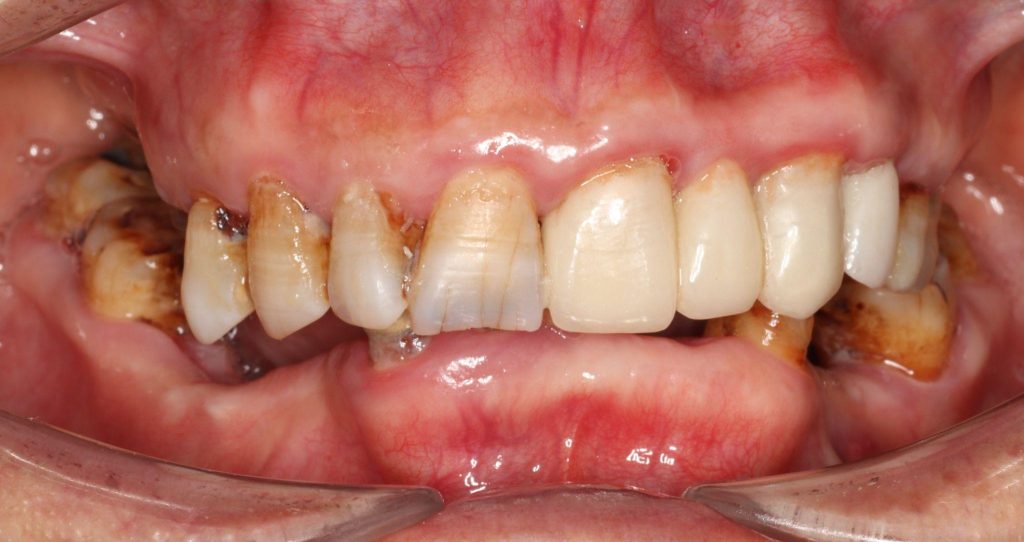
Dental biofilm and dental calculus are the main factors leading to gingivitis when they are not adequately controlled.
Experts point out that this is also why simply changing toothpaste, using mouthwash, or taking antibiotics without professional guidance cannot replace the removal of biofilm and dental calculus once they have formed.
Treating Gingivitis Is Not Simply About Removing Tartar
In modern periodontal treatment, tartar removal is only one step in the overall treatment plan. To achieve long-term results, patients need a periodontal examination to assess the severity of inflammation, gum recession, periodontal pockets, systemic risk factors, as well as oral hygiene habits.
After the condition has been identified, the dentist will remove biofilm and dental calculus while guiding the patient on appropriate plaque-control methods at home based on their individual needs. Regular follow-up appointments also play an important role in monitoring treatment response and adjusting the care plan when necessary.
According to dentists, changing oral hygiene habits is a decisive factor in maintaining treatment results and reducing the risk of recurrence.
Gingivitis Treatment Process at Nhu Ngoc Dental Clinic
According to Prof. Dr. Võ Trương Như Ngọc, MD, PhD, treatment of gingivitis at the clinic follows a comprehensive approach to controlling the underlying causes of the disease rather than focusing solely on tartar removal. Before treatment, every patient undergoes a periodontal examination to assess the condition of the gingival tissue, the level of biofilm and dental calculus accumulation, systemic risk factors, as well as oral hygiene habits, allowing an appropriate treatment plan to be developed for each individual.
The process is standardized according to the SMILES CARE model, based on current periodontal treatment principles. Each step of the process has a specific objective, ranging from infection control, biofilm and dental calculus removal, and individualized oral hygiene instruction to reassessment of treatment response and regular monitoring to maintain long-term results.
In addition to the treatment protocol, the clinic has invested in a system of equipment to support dentists during diagnosis and treatment. In appropriate cases, the Air Polishing system is used to support the gentle removal of biofilm from tooth surfaces and around the gingival margins, contributing to improved plaque-control effectiveness. Dental microscopes help dentists obtain a clearer view of soft tissues and difficult-to-access treatment areas, particularly during indicated periodontal procedures.
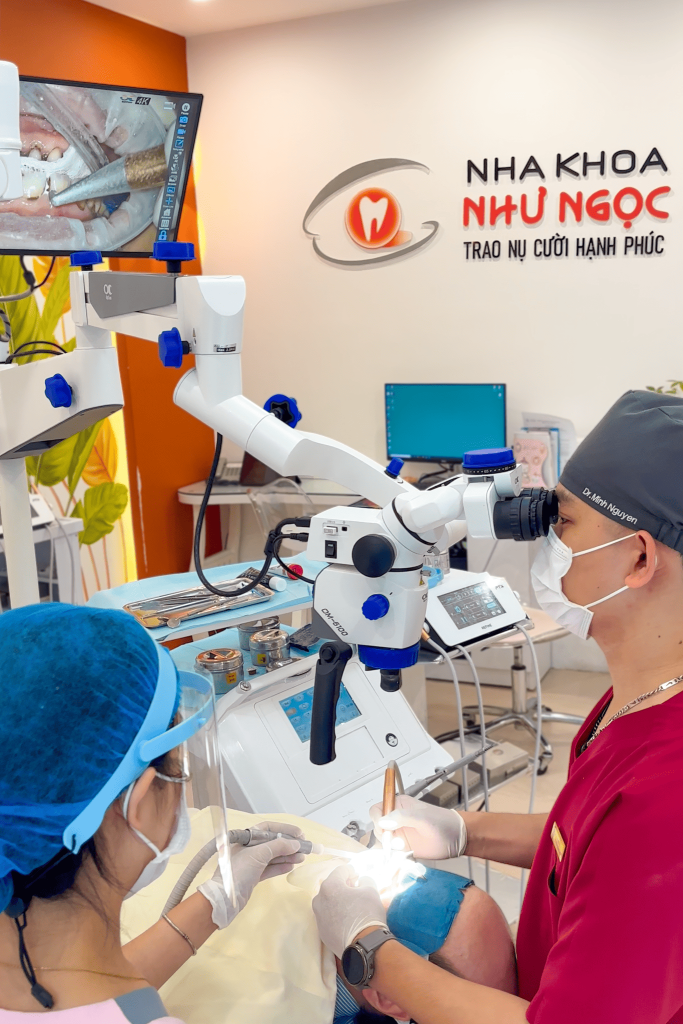
Dentist performing biofilm control with Air Polishing under a dental microscope to enhance treatment precision.
According to Prof. Dr. Võ Trương Như Ngọc, MD, PhD, technology can only truly demonstrate its effectiveness when combined with accurate diagnosis, appropriate clinical techniques, and proper indications. This is also why the dental team takes time to conduct a comprehensive assessment before developing a treatment plan, rather than applying the same method to every case.
The dentists at Nhu Ngoc Dental Clinic also regularly update their knowledge and techniques in periodontology both domestically and internationally, aiming to provide treatment solutions appropriate for each patient based on current scientific evidence.
The Role of Mouthwash and Gum Grafting
During treatment and post-treatment care, specialized antibacterial mouthwash solutions may be prescribed at certain stages to support bacterial control. However, dentists emphasize that these are only supportive measures and cannot replace proper toothbrushing, interdental cleaning, and regular follow-up appointments.
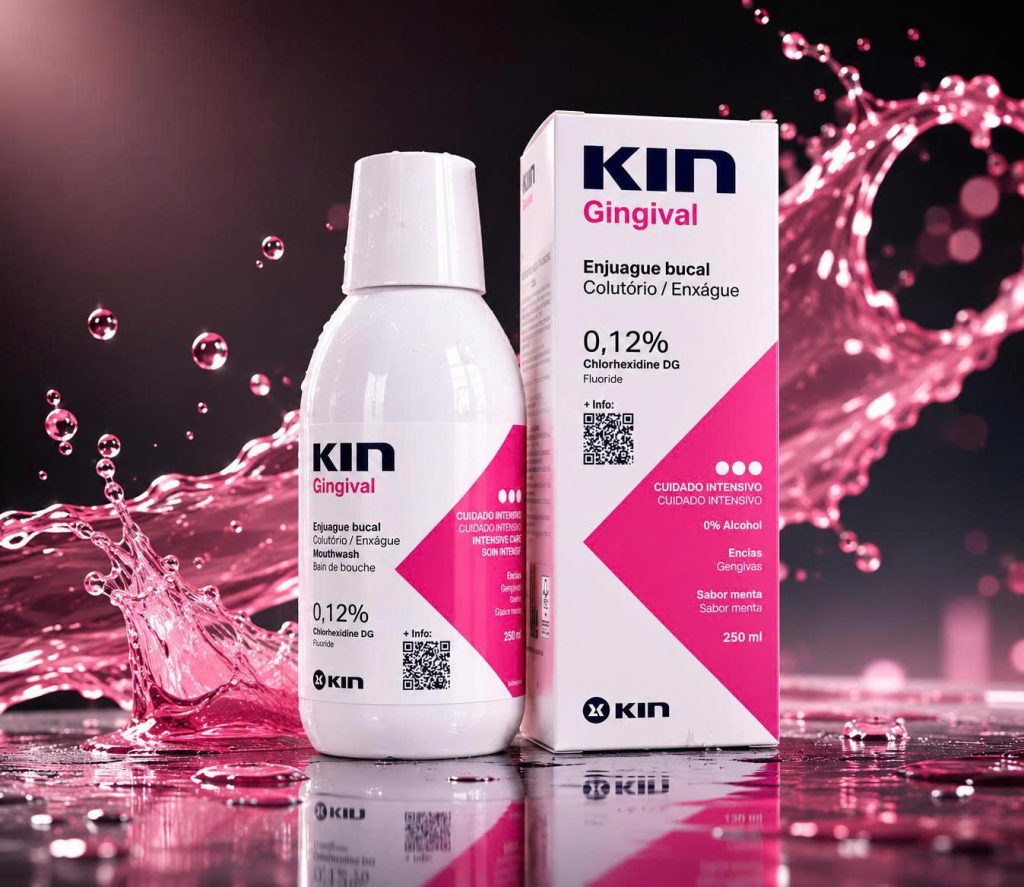
KIN Gingival mouthwash may be prescribed by dentists during certain stages of treatment to support bacterial control.
For cases in which gum recession or insufficient attached gingival tissue has developed, dentists may consider gum grafting or connective tissue grafting techniques when indicated. The choice of treatment method depends on each patient’s specific clinical condition and is not routinely applied to every case.
Successful Treatment Requires Long-Term Cooperation
According to experts, gingivitis treatment does not end after a single tartar-removal appointment. Treatment success can only be confirmed when the gingival tissue is healthy, bleeding has stopped, and the patient is able to maintain proper oral hygiene habits over the long term.
Although modern equipment can support dentists in improving treatment precision, the determining factors remain accurate diagnosis, appropriate clinical techniques, and the patient’s cooperation in maintaining daily oral hygiene.
According to Prof. Dr. Võ Trương Như Ngọc, MD, PhD, the goal of treatment is not limited to controlling the current gingival inflammation but also focuses on preserving natural teeth, maintaining periodontal health, and accompanying patients throughout their long-term oral healthcare journey.
Nhu Ngoc Dental Clinic
Address: 21A Tran Quang Dieu Street, Dong Da Ward, Hanoi, Vietnam.
Source: VTV Online: https://vtv.vn/vi-sao-dieu-tri-viem-loi-tai-nha-khoa-nhu-ngoc-mang-lai-hieu-qua-100260828152129855.htm