

 29 September, 2026
Losing a tooth affects not only your appearance but also chewing function, and may lead to jawbone loss and shifting of the remaining teeth. With the development of modern dentistry, the procedure of tooth extraction combined with immediate dental implant placement is becoming an effective solution to shorten treatment time and restore the missing tooth.
1. What is an immediate dental implant?
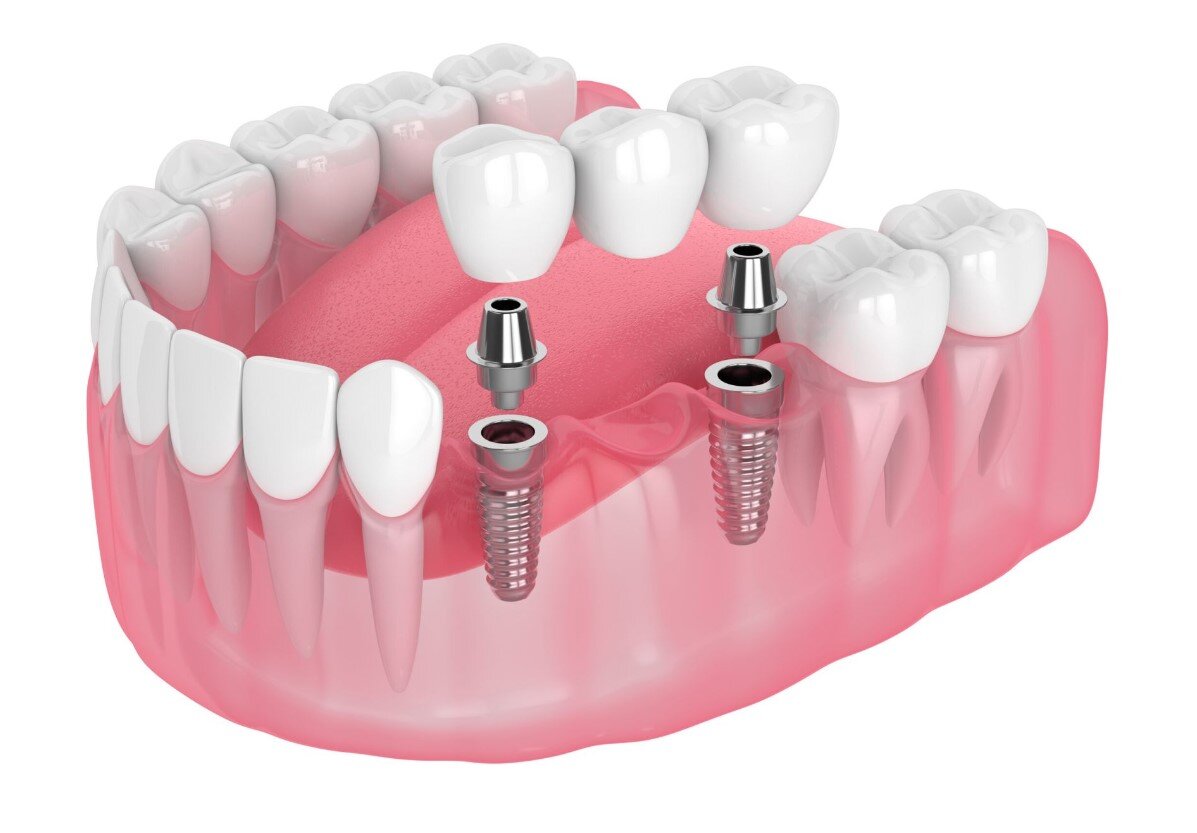
Immediate implant placement is a technique in which a dental implant is placed immediately after tooth extraction during the same surgical procedure. Instead of waiting 2–3 months for the extraction site to heal before placing the implant, this method can:
- Reduce the number of surgical procedures
- Shorten the overall treatment time
- Help minimize bone loss after tooth extraction
- Preserve the natural shape of the gums and improve aesthetics
2. The actual treatment process
Stage 1: Tooth extraction and immediate implant placement
After a thorough examination and assessment (clinical examination + X-ray/CT scan), the dentist will:
- Carefully extract the tooth while minimizing trauma to the surrounding tissues
- Place the dental implant directly into the socket of the extracted tooth
- Perform bone or soft tissue grafting if necessary
The procedure is usually performed efficiently, with pain and swelling well controlled.
Stage 2: Osseointegration period (approximately 3 months)
During this period:
- The implant gradually integrates firmly with the jawbone
- The patient can continue daily activities and eat gently
- Regular follow-up appointments are scheduled to monitor the healing process
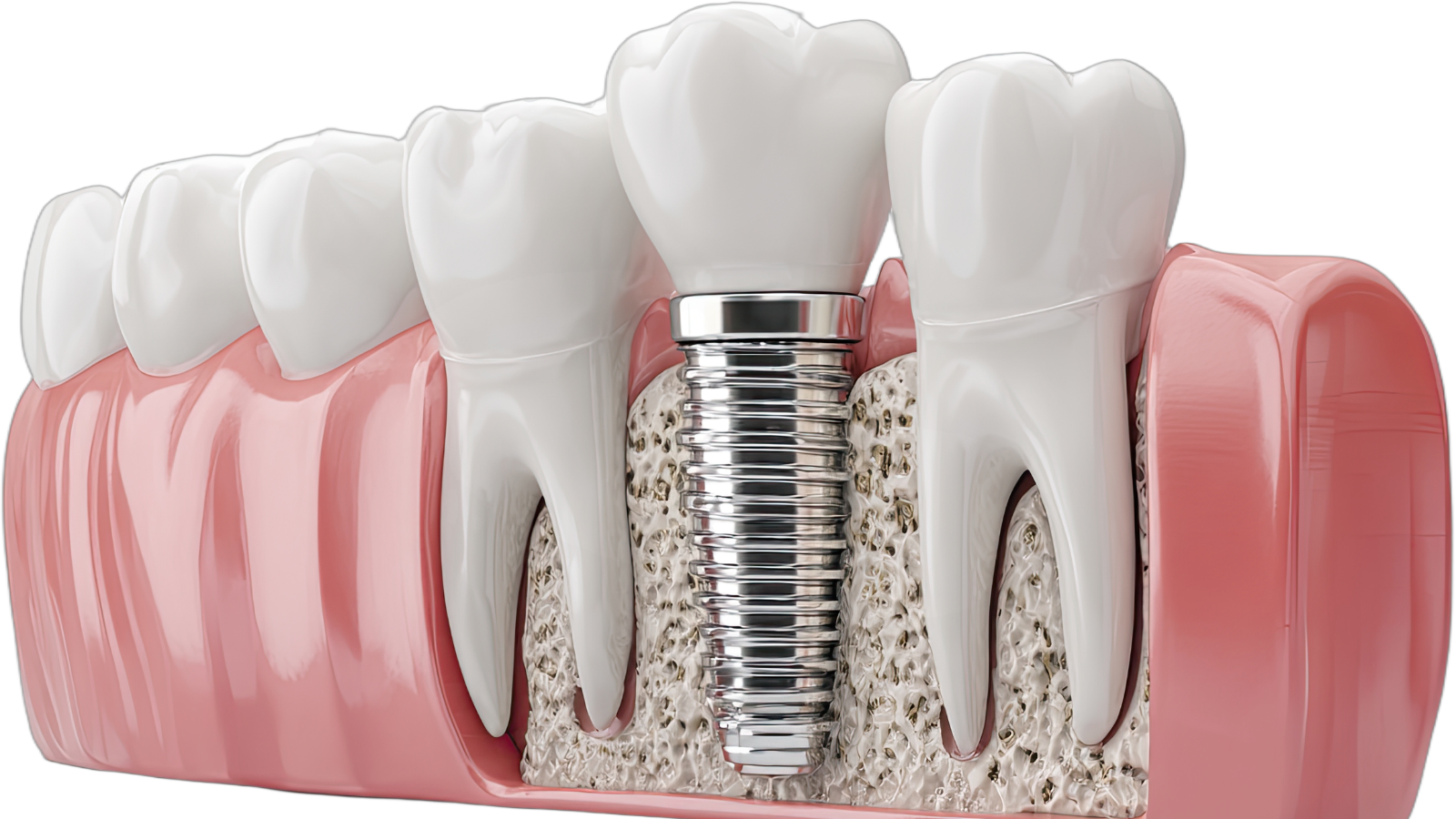
Osseointegration time.
This is an important stage that plays a key role in the long-term stability of the implant.
Stage 3: Digital impression – ceramic crown restoration
Once the implant has become stable:
- The dentist takes a digital impression using an intraoral scanner
- The data is processed using specialized software to ensure high accuracy
- A ceramic crown is designed and fabricated to match the patient’s bite and aesthetic requirements
Advantages of digital impressions:
- More comfortable than traditional impression materials
- Fast and accurate
- Improve the fit and aesthetics of the final restoration
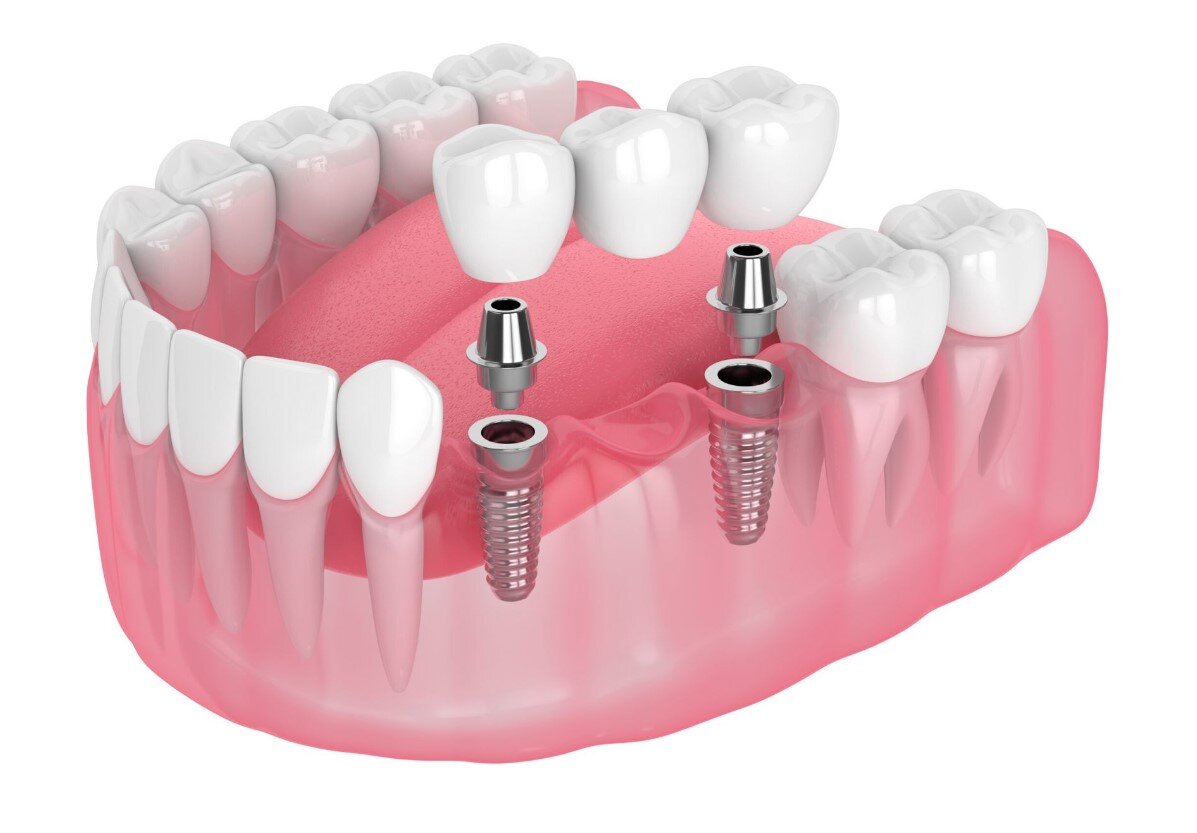
Digital impression – ceramic crown restoration.
3. Results
After the treatment is completed:
- The new tooth has a natural shape and color
- Chewing ability is restored to a level close to that of a natural tooth
- Helps prevent further bone loss and shifting of the remaining teeth
- Significantly improves aesthetics and quality of life
4. Who is suitable for immediate implant placement?
This method may be suitable for patients who:
- Have severely damaged teeth that cannot be preserved
- Have sufficient jawbone density and volume
- Do not have severe acute infection at the extraction site
The suitability of immediate implant placement must be evaluated and determined by a dental specialist.
5. Frequently asked questions
Does dental implant placement hurt?
The procedure is performed under local anesthesia, and discomfort is generally well controlled and often less than patients expect.
Do I have to wait a long time?
Compared with the traditional approach, immediate implant placement can significantly shorten the overall treatment timeline.
Is the cost high?
The initial cost may be higher than some other treatment options. However, in the long term, it can be considered a durable and cost-effective solution.
6. Advice from the dentist
If you have a damaged tooth that needs to be extracted or have already lost a tooth, do not delay treatment for too long. Early intervention may help preserve the jawbone and reduce the potential cost and treatment time in the future.
Contact us today for an examination and personalized treatment consultation.
Nha Khoa Như Ngọc