

 2 November, 2026
An additional tooth cusp may appear harmless, as it is simply an extra development of enamel and dentin. However, it can cause a range of dental problems, including bite interference, plaque accumulation and tooth decay. In severe cases, it may even expose the dental pulp, leading to pulpitis and intense pain if the cusp fractures or wears down.
Many people have looked in the mirror and noticed a small protruding structure on one of their front teeth or molars. It looks like a natural part of the tooth and causes no pain or swelling, so it is often overlooked. However, when this extra structure chips or breaks, causing tooth sensitivity or pain, patients may finally seek dental care and discover that it is not a normal tooth structure, but an anatomical abnormality known as an accessory cusp.
At first glance, an accessory cusp may seem harmless, as it is simply an additional formation of enamel and dentin. In reality, however, it can lead to various oral health complications, including bite interference, plaque accumulation and tooth decay. In some cases, it may even expose the dental pulp, resulting in pulpitis and severe pain if the cusp fractures or wears down. This is because an accessory cusp does not consist solely of enamel and dentin; it may also contain actual pulp tissue.
What is particularly concerning is that many people have accessory cusps without even realizing it until complications or persistent pain develop. In some cases, even routine dental examinations may fail to identify this condition. Therefore, understanding the condition, detecting it early and seeking timely treatment are essential to preserving natural teeth and preventing potential complications.
What Is an Accessory Cusp?
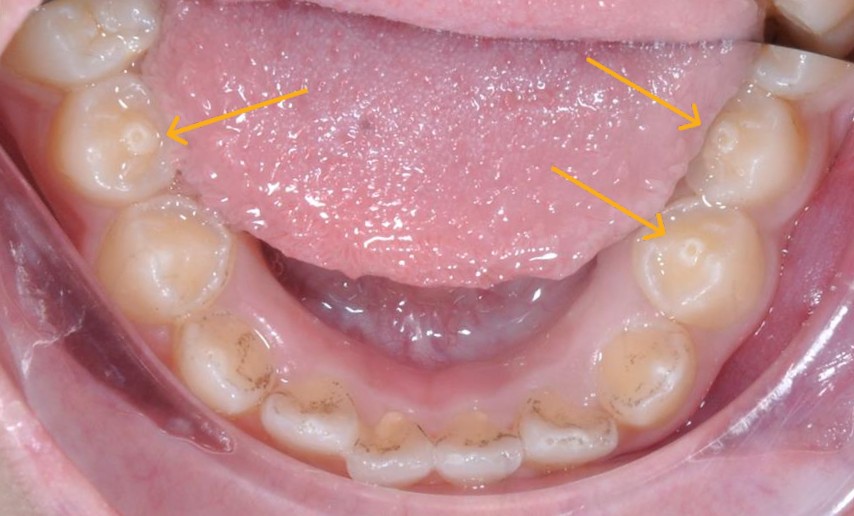
An accessory cusp is an additional projection of enamel and dentin that develops during tooth formation, creating an abnormal cusp or raised structure on the tooth surface. It usually has a smooth, shiny appearance similar to natural enamel, which may lead people to mistake it for a normal part of the tooth. However, an accessory cusp does not consist of enamel alone. Its internal structure may also contain dentin and actual pulp tissue, making it particularly sensitive and vulnerable to damage.
Depending on its location and morphology, accessory cusps can appear in several different forms:
● Accessory cusps on anterior teeth: This type is commonly found on the palatal surface of maxillary anterior teeth, particularly the upper incisors. It often resembles a claw-like projection or an extra cusp emerging from the center of the inner tooth surface. In rare cases, it may also appear on the labial surface of the incisors.
● Accessory cusps on premolars: This is a relatively common type, particularly associated with certain developmental abnormalities affecting the mandibular premolars. It is frequently observed in Asian populations. The cusp develops on the occlusal surface, often appearing sharper or more prominent than normal. It can interfere with chewing and may fracture under biting forces.
● Accessory cusps on molars: These are commonly found on the palatal surface of maxillary molars and are known as the Cusp of Carabelli. They may appear as a slightly raised enamel ridge or a more prominent additional cusp.
Most accessory cusps occur individually. However, some patients may have accessory cusps on multiple teeth or on corresponding teeth on both sides of the dental arch. Although they may appear harmless, their abnormal structure makes them susceptible to wear and fracture, particularly under strong chewing forces. If the accessory cusp contains pulp tissue, damage may expose the pulp, resulting in severe toothache and acute pulpitis. Immediate treatment may then be necessary to preserve the affected tooth.

Accessory nipples are not widely known, and they often do not receive timely intervention.
Why Do Accessory Cusps Develop?
An accessory cusp is not a disease but rather a developmental abnormality that occurs during tooth formation. It results from irregularities in dental development, involving interactions between genetic and environmental factors. Disturbances during the morphodifferentiation stage of tooth development may contribute significantly to these abnormalities.
As tooth buds develop within the jawbone, the dental lamina and the precursors of the enamel organ may occasionally undergo excessive activity, abnormal proliferation or outward folding. This can cause additional dental tissue to project beyond the normal tooth contour, forming an accessory cusp.
Although the exact causes have not been fully established, research suggests that genetic factors play an important role. Children whose parents have had accessory cusps may have a higher likelihood of developing the same condition. In addition, other factors, such as hormonal disturbances during pregnancy, trauma to the maxillofacial region during the formation of primary teeth, or exposure to certain medications and environmental influences, may also contribute to this developmental abnormality.
Potential Complications If Left Untreated
In the past, the potential effects of accessory cusps were not widely recognized, and the condition was often left untreated. In reality, however, the complications can be serious if the abnormality is not detected and managed promptly.
First, accessory cusps may have relatively thin enamel and dentin structures, making them vulnerable to wear or fracture during chewing. When this happens, the underlying dental pulp may become exposed, potentially leading to acute pulpitis and severe toothache, particularly at night. If left untreated, the condition may progress to pulp necrosis and periapical inflammation, requiring more complex root canal treatment. In some cases, progressive infection may also contribute to root resorption, eventually making tooth extraction necessary.
Second, the grooves and junctions between the accessory cusp and the main tooth structure can easily trap food debris and dental plaque. These areas are often difficult to clean thoroughly, creating favorable conditions for bacterial growth. As a result, the surrounding grooves become more susceptible to dental caries, while plaque accumulation may also contribute to gingival inflammation and bad breath.
In addition, accessory cusps may interfere with normal occlusion if they protrude excessively. This is particularly concerning in anterior teeth with accessory cusps, as abnormal occlusal contacts can cause traumatic occlusion, potentially leading to pulp necrosis and periapical inflammation. In children, large or pointed accessory cusps may also traumatize the soft tissues of the tongue or cheeks.
When Should You Visit a Dentist?
Early dental examinations and regular check-ups are essential for accurate diagnosis and appropriate management. You should visit a dental clinic if you notice any of the following signs:
● An unusual cusp, extra projection or raised structure on a tooth, or a sensation of interference when biting, particularly involving the front teeth or premolars.
● Tooth sensitivity to hot or cold foods and drinks, even when there are no obvious signs of dental decay.
● Chipping, discoloration or the appearance of a small cavity on the accessory cusp, which may indicate tooth decay or pulp exposure.
● Persistent dull pain or sharp pain when chewing, particularly in teeth that have previously undergone cusp reduction or restoration.
● Persistent pain or discomfort in a tooth that has previously undergone accessory cusp reduction, which may indicate underlying or previously undetected pulp inflammation.
Early examination not only allows dentists to identify and manage the condition before complications develop but also helps preserve as much natural tooth structure as possible, reducing the likelihood of root canal treatment or more complex restorative procedures in the future.
Source: Health & Life Newspaper (Báo Sức Khỏe & Đời Sống): https://suckhoedoisong.vn/rang-co-num-phu-nguy-co-bien-chung-neu-khong-dieu-tri-kip-thoi-169251205152158672.htm
Prof. Dr. Võ Trương Như Ngọc – MSc. Đinh Thế Ba
Health & Life Newspaper (Báo Sức Khỏe & Đời Sống)