

 26 October, 2026
What Is Tartar?
Tartar, also known as dental calculus, consists of hard yellow or brown deposits that form around the teeth. It develops when bacteria, dental plaque, and minerals in saliva combine. After eating and drinking, plaque accumulates on the tooth surfaces. If not removed, within 24–72 hours, minerals from saliva begin to deposit in the plaque, causing it to gradually harden and turn into tartar.
1. The Harmful Effects of Tartar
Tartar can be considered a “home” for bacteria. Its presence encourages the growth of harmful bacteria, leading to various undesirable consequences.
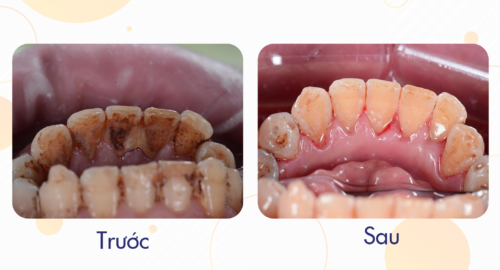
Causes gingivitis (gum inflammation): Tartar provides an ideal environment for bacteria to grow. As bacteria multiply, they irritate the gums and cause inflammation, resulting in swollen, red gums that bleed easily when brushing or eating. Prolonged gingivitis can progress to periodontitis, seriously affecting the supporting structures of the teeth.
Contributes to tooth decay: Tartar is associated with bacterial plaque and acids that can attack tooth enamel and damage tooth structure, contributing to tooth decay. If cavities are not treated promptly, they can lead to more serious problems, such as pulp inflammation and even tooth loss.
Causes bad breath: Bacteria associated with tartar can produce unpleasant odors, leading to bad breath. Persistent bad breath can affect communication and overall quality of life.
Affects dental aesthetics: Tartar is often yellow or brown, diminishing the appearance of your smile. People with long-standing tartar buildup may feel self-conscious about their appearance and less confident in social interactions.
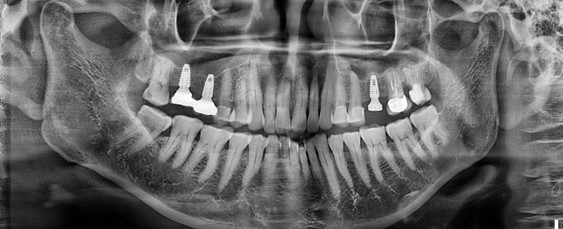
May lead to tooth loss: If tartar is not removed regularly, associated gingivitis and periodontitis can damage the tissues supporting the teeth. This can cause teeth to become loose and eventually fall out or require extraction.
May affect overall health: Some studies have found associations between periodontitis and other health conditions, including cardiovascular disease, stroke, diabetes, and even preterm birth in pregnant women.
2. When Should You Get Your Teeth Scaled?
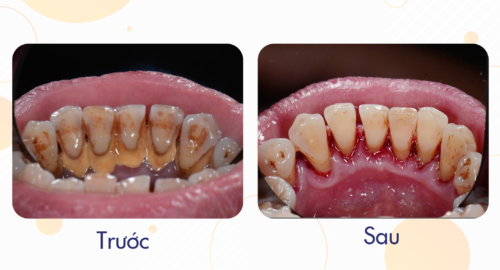
In general, you should consider professional dental scaling every six months to maintain oral health and help prevent problems such as gingivitis, tooth decay, and bad breath. However, the recommended frequency may vary depending on your individual oral health condition:
- If you are at high risk of tartar buildup: For example, if you have a history of gingivitis or periodontitis, smoke, consume a lot of sugary foods, or accumulate tartar quickly, your dentist may recommend more frequent scaling, potentially every 3–4 months.
- If you maintain excellent oral hygiene: If you brush regularly and use dental floss daily, you may need professional scaling less frequently. However, you should not go longer than 12 months without a dental checkup and professional cleaning.
The best approach is to consult your dentist to determine the appropriate scaling schedule for your oral health needs. Removing tartar in a timely manner can help prevent many potential complications. Visit your dentist for regular checkups and professional scaling every six months to maintain a healthy, beautiful smile!