

 16 November, 2026
What Is Tooth Wear at the Gumline?
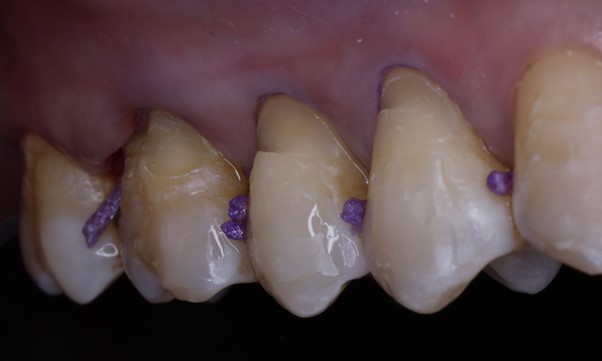
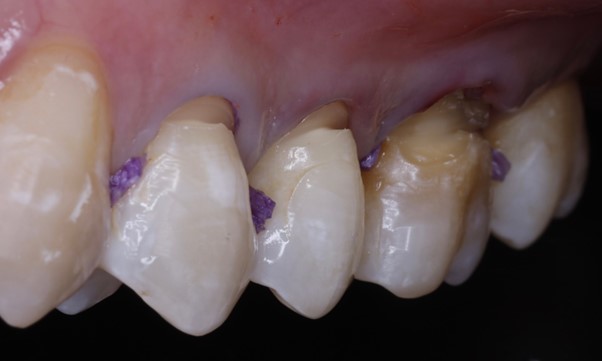
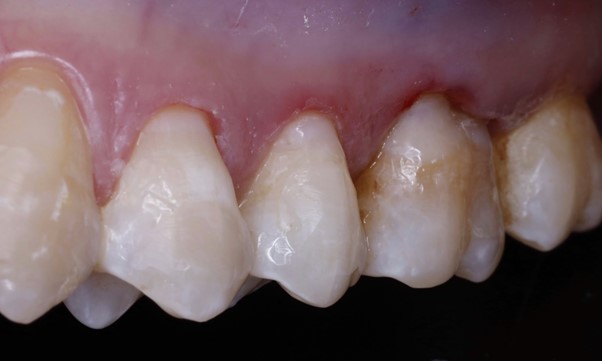
Tooth wear at the gumline, also known as Non-Carious Cervical Lesions (NCCLs), refers to the loss of tooth structure in the cervical region (the area where the crown meets the root). Unlike tooth decay, this condition is not caused by bacteria but is commonly associated with oral hygiene habits, dietary factors, and abnormal mechanical forces.
According to various studies published on PubMed, NCCLs are among the most common types of non-carious dental lesions in adults, with prevalence rates reaching 30–40% in individuals over 40 years of age.
Causes of Tooth Wear at the Gumline
-
Incorrect brushing techniques: Using a hard-bristled toothbrush or brushing too aggressively with horizontal strokes can wear down enamel and contribute to gum recession.
-
A diet high in acidic foods and beverages: Soft drinks, lemon juice, wine, and other acidic substances can cause chemical erosion of tooth enamel.
-
Gastroesophageal reflux: Stomach acid flowing back into the mouth can gradually damage tooth enamel.
-
Abnormal bite or teeth grinding: These can increase stress on the cervical region of the teeth (a proposed mechanism known as abfraction, although its role is still debated).
-
Other contributing factors: Misaligned teeth, genetic predisposition, and medications that cause dry mouth.
Common Signs and Symptoms
-
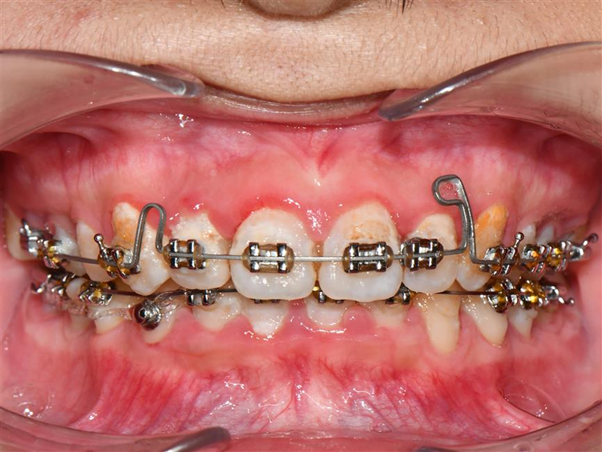
Small V-shaped grooves or notches appearing near the gumline.
-
Tooth sensitivity when consuming acidic, hot, or cold foods and drinks, or when brushing.
-
Gum recession, increased root exposure, and reduced dental aesthetics.
In advanced cases, severe tooth damage may lead to pulp inflammation, tooth fractures, and even tooth loss.
Potential Complications If Left Untreated
-
Persistent tooth sensitivity and discomfort when eating or drinking.
-
Increased risk of secondary tooth decay in the affected area.
-
Gum inflammation and bad breath caused by food debris accumulating in the cervical defects.
-
Aesthetic concerns and reduced confidence when smiling.
-
Tooth fractures and tooth loss in severe cases.
Treatment Options
-
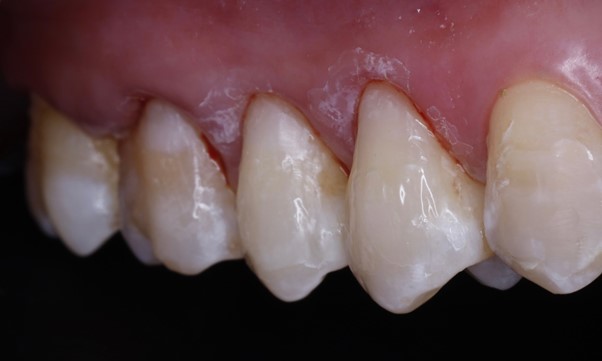
Early stages: Restorative treatment using aesthetic materials such as composite resin or glass ionomer cement can help restore lost tooth structure, reduce sensitivity, and preserve the remaining natural tooth structure.
-
Advanced stages: If the dental pulp becomes inflamed, root canal treatment may be necessary, followed by a dental crown to protect and preserve the affected tooth.
At the same time, patients should adjust their brushing habits, modify their diet, and manage contributing conditions such as acid reflux or teeth grinding.
How to Prevent Tooth Wear at the Gumline
-
Use a soft-bristled toothbrush and brush gently with vertical or circular motions.
-
Use fluoride toothpaste and avoid highly abrasive toothpaste products.
-
Limit the consumption of carbonated soft drinks and highly acidic foods.
-
Schedule regular dental check-ups every six months to detect early signs of tooth damage.
👉 Conclusion: Tooth wear at the gumline is a common dental condition that is often overlooked. Early diagnosis and appropriate treatment can help prevent persistent sensitivity, preserve natural teeth, and maintain a healthy, attractive smile.
📞 If you experience tooth sensitivity or notice notches near the gumline, visit a dental clinic for a professional examination and timely consultation.