

 2 July, 2026
What Is Tooth Wear in Older Adults?
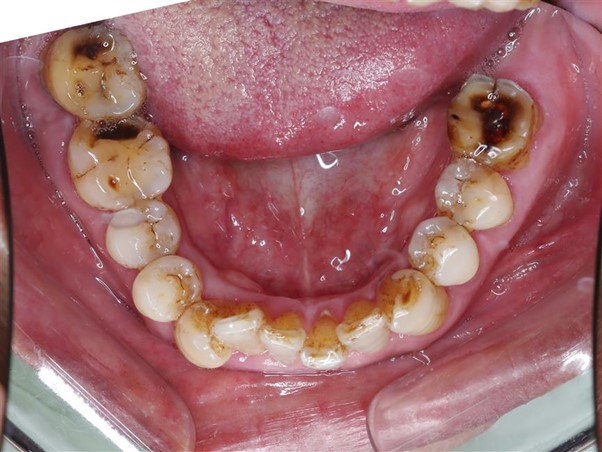
Tooth wear in the elderly
Tooth wear is a common condition among older adults, yet it is often overlooked. Over time, teeth are subjected to continuous chewing forces for many years, causing the enamel and dentin to gradually wear away. As a result, teeth may become shorter, thinner, more sensitive, and painful, while chewing efficiency declines, significantly affecting daily life and overall well-being.
If left untreated, tooth wear can progress over time, increasing the risk of cracked teeth, pulp damage, and even tooth loss.
What Causes Tooth Wear in Older Adults?
Several factors contribute to tooth wear in older adults, including the following:
Natural Aging
As people age, tooth enamel gradually loses its strength and becomes less resistant to mechanical and chemical wear. This natural aging process makes teeth more susceptible to gradual erosion and attrition.
Teeth Grinding or Clenching
Many older adults unknowingly grind or clench their teeth during sleep. The constant friction between the upper and lower teeth accelerates enamel loss and leads to excessive tooth wear over time.
Missing Teeth Without Timely Replacement
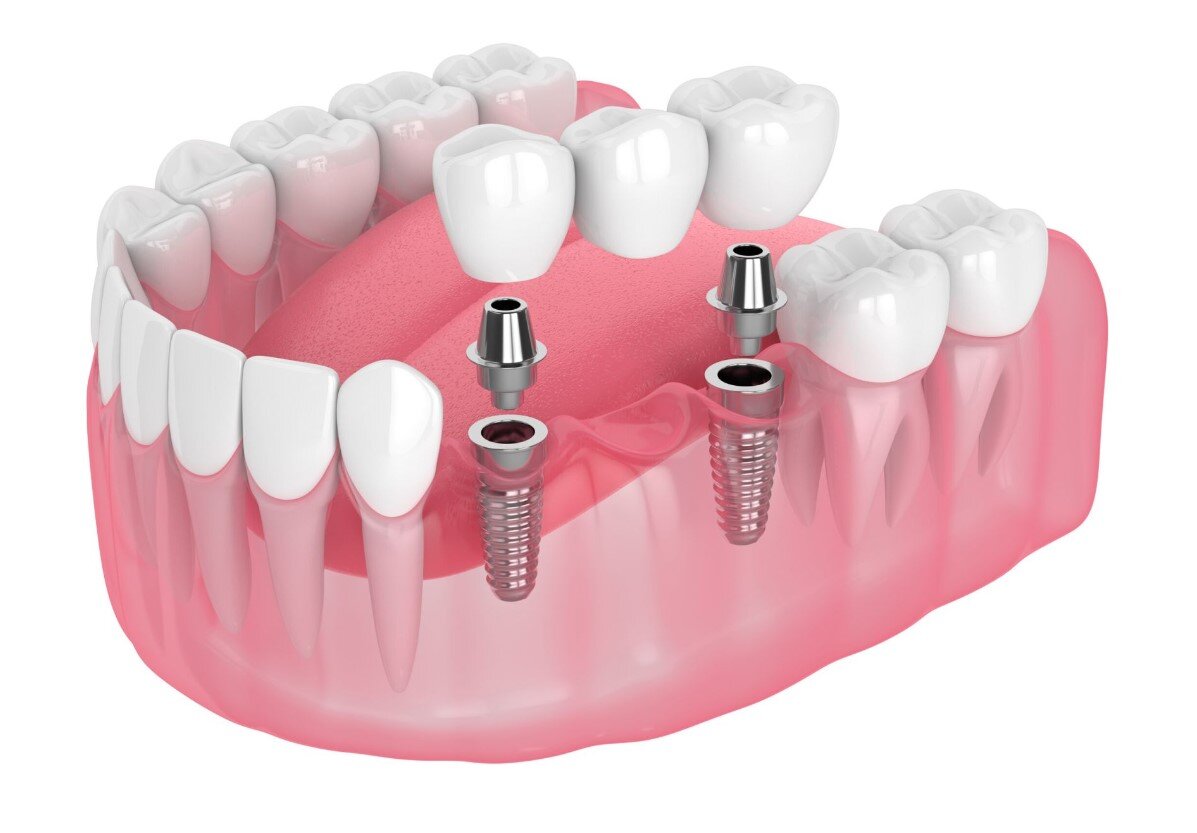
When missing teeth are not replaced, chewing forces become concentrated on the remaining teeth. This excessive workload increases the likelihood of tooth wear and further damages the remaining dentition.
Diet and Daily Habits
Frequent consumption of acidic foods, carbonated beverages, and strong tea can gradually erode tooth enamel. In addition, brushing too aggressively or using a hard-bristled toothbrush may also contribute to enamel wear.
Reduced Saliva Production
Older adults often experience reduced saliva flow due to the natural aging process or as a side effect of medications used to treat systemic diseases. Because saliva helps neutralize acids and protect tooth enamel, reduced saliva production significantly increases the risk of tooth wear.
Signs and Symptoms of Tooth Wear
Older adults should pay attention to the following warning signs:
- Teeth appear shorter or thinner than before.
- The chewing surfaces become flatter and smoother.
- Tooth sensitivity when consuming hot, cold, sweet, or acidic foods and drinks.
- Pain or discomfort while chewing.
- Reduced chewing efficiency.
- In some cases, small cracks may develop on the tooth surface.
How to Prevent Tooth Wear
Although tooth wear cannot be reversed naturally, its progression can be slowed through proper oral care and early intervention.
Older adults are advised to:
- Schedule regular dental check-ups for early detection.
- Brush gently using a soft-bristled toothbrush and an appropriate toothpaste.
- Limit acidic foods and beverages.
- Rinse the mouth with clean water after eating or drinking acidic beverages.
- Drink sufficient water throughout the day to keep the mouth well hydrated.
- Seek professional treatment for missing teeth, bite misalignment, or teeth grinding to reduce excessive stress on the remaining teeth.
When Should You Visit a Dentist?
If you experience persistent tooth sensitivity, pain while chewing, noticeable shortening of the teeth, or significant changes in tooth shape, you should visit a dental clinic as soon as possible. Early diagnosis allows the dentist to assess the severity of tooth wear and recommend the most appropriate treatment, helping preserve natural teeth and restore proper chewing function.
Conclusion
Tooth wear in older adults is an irreversible condition, but it can be effectively prevented and managed with proper oral care and early treatment. Maintaining good oral hygiene, attending regular dental check-ups, and promptly addressing issues such as missing teeth, teeth grinding, or bite problems can help preserve natural teeth, improve chewing ability, and enhance overall quality of life in later years.