

 16 August, 2026
A cracked tooth is a relatively common dental condition, particularly affecting premolars and molars because these teeth withstand significant chewing forces. If left untreated, a crack may extend deeper into the tooth structure, affect the dental pulp, and reduce the possibility of saving the tooth.
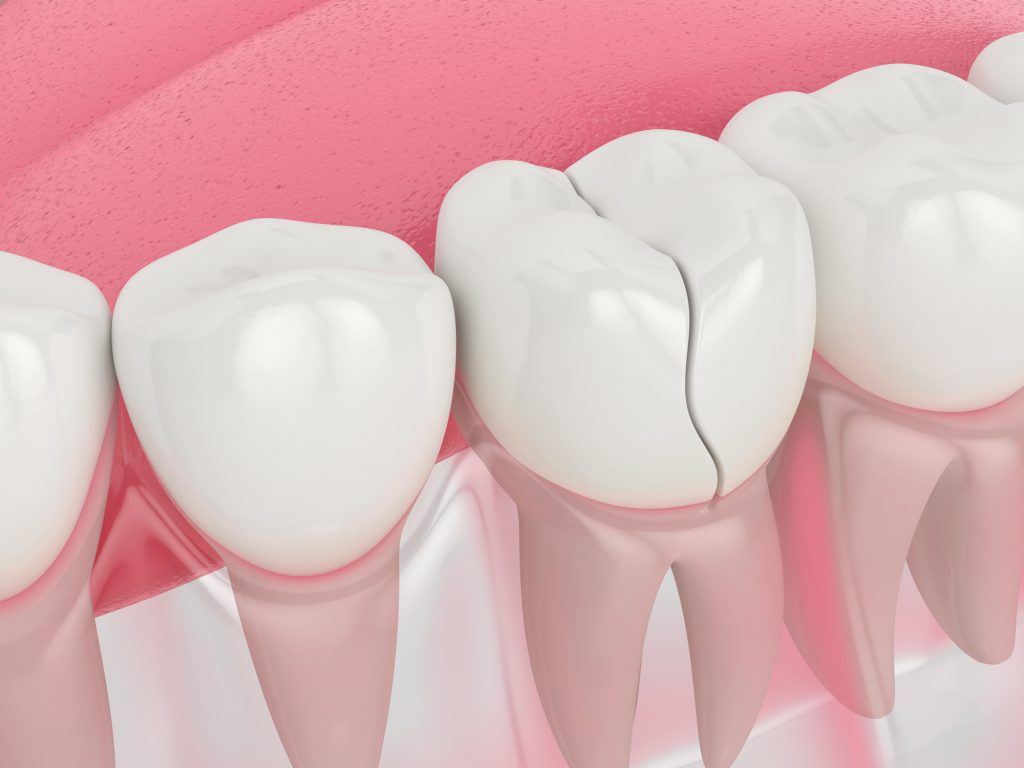
Cracked Tooth Treatment: Diagnosis and Restoration
At Nhu Ngoc Dental Clinic, dentists assess the location and severity of the crack, the condition of the dental pulp, and the surrounding tissues before selecting an appropriate treatment approach.
1. What Causes a Cracked Tooth?
Several factors can increase the risk of tooth cracks, including:
- Teeth grinding or clenching over a long period.
- Frequently chewing hard foods or objects.
- Large or long-standing dental fillings, which may weaken the remaining tooth structure.
- Teeth that have undergone root canal treatment but have not been adequately restored and protected.
- Strong biting forces or dental trauma.
Teeth that have weakened structures or are exposed to high chewing forces are generally more susceptible to cracking.
2. Signs and Symptoms of a Cracked Tooth
A cracked tooth does not always cause continuous pain. Common symptoms may include:
- Pain when chewing, especially when eating hard or chewy foods.
- Sharp pain when unexpectedly biting on a hard seed, bone fragment, or other small object.
- Tooth sensitivity to hot or cold foods and drinks.
- Difficulty identifying exactly which tooth is causing the discomfort.
- Pain when biting down or when suddenly releasing the biting pressure.
If the crack reaches the dental pulp and causes significant pulp damage, symptoms may include spontaneous pain, intermittent episodes of pain, or swelling around the affected tooth.
Important: Pain when chewing does not necessarily mean that a tooth is cracked. A dentist should perform a clinical examination and appropriate diagnostic tests to determine the actual cause.
3. How Is a Cracked Tooth Diagnosed?
Some cracks are extremely fine and difficult to detect with the naked eye. Dentists may therefore combine several diagnostic techniques.
Direct Visual Examination and Magnification
The dentist examines the tooth directly or uses magnification equipment to identify small cracks that may be difficult to see.
Crack Staining
Certain dental dyes can be used to highlight cracks. The staining agent may penetrate the cracked area, making the location and direction of the crack easier to identify.
Specialized Light Examination
Specialized light can be directed through the tooth. When the light encounters a crack, its transmission is interrupted, helping the dentist identify the affected area.
Bite Test
The patient is asked to bite down in a controlled manner. A cracked tooth may produce characteristic pain, particularly when the biting pressure is released.
Percussion Test
The dentist gently taps the suspected tooth and evaluates its response together with other clinical findings to help identify the affected tooth.
4. Cracked Tooth Treatment Process
Not every cracked tooth needs to be extracted. An important treatment goal is to determine whether the tooth can be preserved, based on the location, depth, and direction of the crack.
Small Crack Without Significant Pulp Damage
If the crack is limited and there are no signs of irreversible pulpitis, the dentist may recommend crown restoration to cover and protect the remaining tooth structure and reduce stress on the cracked area.
Crack Extending Into the Dental Pulp
If the crack has reached the pulp chamber but has not extended beyond the pulpal floor or too deeply toward the root, the tooth may be considered for root canal treatment followed by crown restoration.
In cases where treatment requires an extended period, a protective band may be used to help reduce mechanical stress on the tooth during treatment.
During root canal treatment, a dental operating microscope may be used to improve visualization of the root canal system and help assess the crack more precisely.
After root canal treatment is completed, the tooth should be appropriately restored, often with a ceramic crown, to protect the remaining tooth structure.
Deep Crack Extending Toward the Root
If the crack has significantly separated the tooth, extends deeply toward the root, or the remaining tooth structure cannot be predictably preserved, tooth extraction may be recommended.
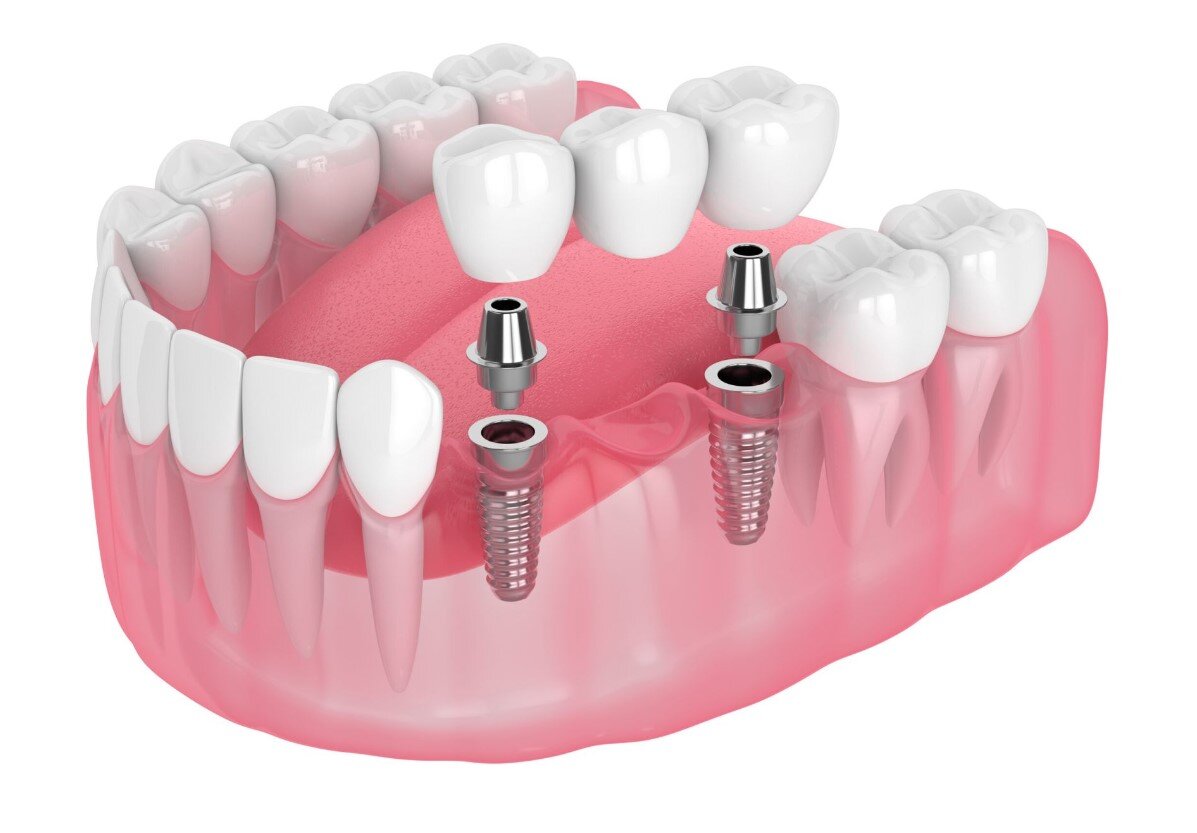
After extraction, the dentist can discuss suitable tooth replacement options, such as a dental implant or dental bridge, depending on the individual clinical condition.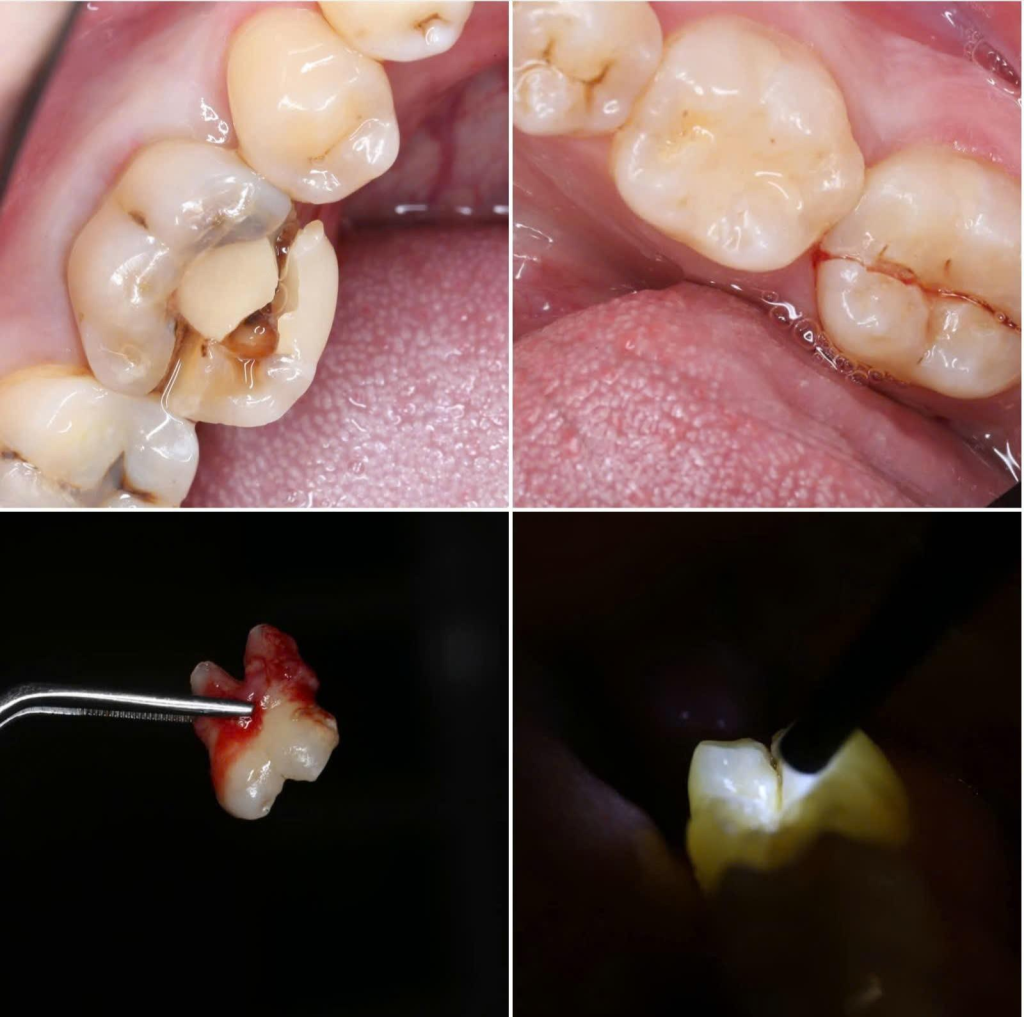
5. Why Should a Cracked Tooth Be Treated Early?
A cracked tooth continues to experience chewing forces during daily activities, and the crack may progress over time. As the damage becomes more extensive, the possibility of preserving the tooth may decrease.
Therefore, if you experience pain when chewing, sudden sharp pain when biting hard foods, or unexplained tooth sensitivity, it is advisable to have the tooth examined rather than delaying treatment.
Conclusion
Early diagnosis and assessment are important for determining whether a cracked tooth can be preserved. Depending on the severity of the damage, treatment may involve protective crown restoration, root canal treatment combined with a crown, or extraction when the crack cannot be predictably managed.
At Nhu Ngoc Dental Clinic, dentists examine the tooth carefully, assess its condition, and develop an appropriate treatment plan based on each patient’s individual needs.
Nhu Ngoc Dental Clinic