

 12 June, 2026
Did you know that molars do not just help us chew food, but also play a critical role in balancing the bite, protecting the temporomandibular joint (TMJ), and helping shape facial structure? When a molar is damaged—whether due to tooth wear, decay, or fracturing—many people instantly think of a dental crown, which requires grinding down the entire tooth to cap it. However, this can sometimes lead to an unnecessary loss of healthy tooth structure.
Today, in line with modern dentistry’s trend toward “maximum tooth preservation,” an advanced method has been introduced—table top restoration. This is a minimally invasive prosthetic approach that preserves the natural tooth structure while delivering outstanding masticatory (chewing) function and aesthetics.
1. WHAT IS A TABLE TOP RESTORATION?
A “table top” is a type of restoration designed to replace the occlusal (chewing) surface of a tooth. Table top restorations are fabricated from high-grade ceramic/porcelain materials and bonded directly onto the gently prepared chewing surface of a molar. Unlike dental crowns that require full-coverage preparation, and unlike classic fillings that require deep drilling, a table top is the “just right” solution for moderate dental damage.
2. WHEN SHOULD YOU GET A TABLE TOP RESTORATION?
Table tops are highly ideal in the following situations:
-
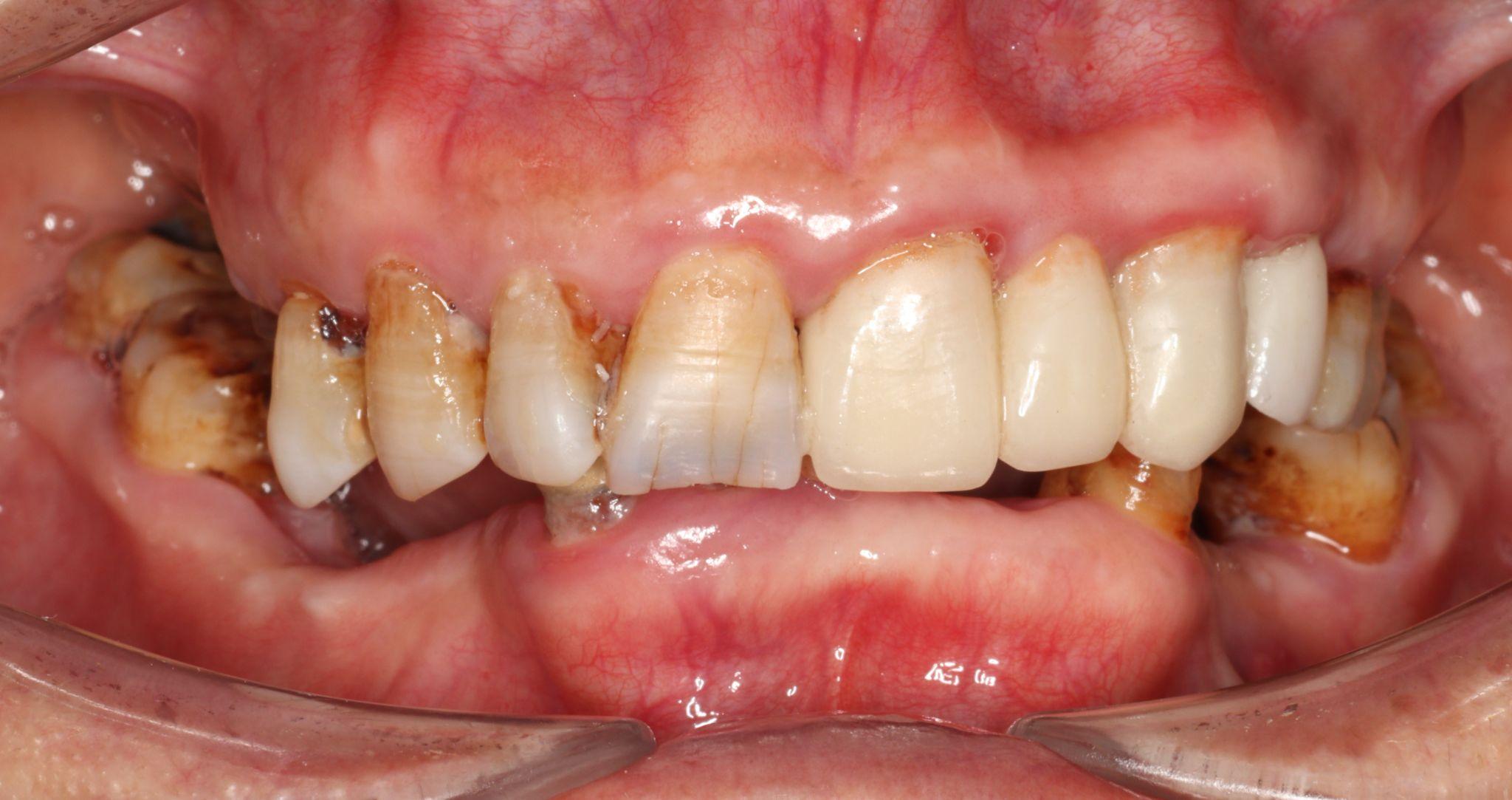
Teeth with severe occlusal wear caused by bruxism (teeth grinding), malocclusion, improper chewing habits, or gastric acid reflux.
-
Chipped or cracked chewing surfaces that do not extend deep into the dental pulp or tooth root.
-
Endodontically treated teeth (root canal therapy) that have lost their occlusal structure but still retain a solid root base with no subgingival decay.
-
Full-mouth rehabilitation for a collapsed bite or adjusting the occlusal vertical dimension in patients with bite imbalances.
Contraindications: Table tops should not be performed if the tooth has severe decay, extensive fractures beneath the gumline (subgingival), insufficient or weak remaining tooth structure, severe periodontal disease, or uncontrolled severe bruxism.
3. OUTSTANDING ADVANTAGES
-
Maximum preservation of natural teeth: Minimal tooth preparation drastically reduces the risk of pulp necrosis.
-
High durability: Fabricated from lithium disilicate ceramic, offering excellent load-bearing strength.
-
Superior aesthetics: Virtually indistinguishable from natural teeth.
-
Minimal sensitivity and complications: Due to its minimally invasive nature.
-
Personalized design: High precision achieved through digital CAD/CAM technology.
4. THE TREATMENT PROCEDURE
The process typically requires 2 appointments:
-
Appointment 1: Clinical examination, minimal occlusal preparation, digital 3D impression scanning, and placement of a temporary restoration.
-
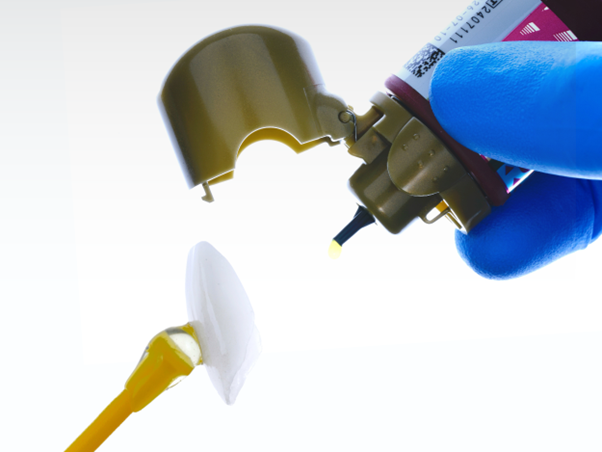
Appointment 2: Fitting the fully fabricated ceramic table top and permanently bonding it using specialized adhesive resin cement.
Note: Some cases can be completed within a single day if an in-office CAD/CAM system is utilized.
The Table Top ceramic bonding and restoration process
5. POST-BONDING CARE INSTRUCTIONS
-
Avoid biting into hard objects or chewing with excessive force.
-
Practice thorough oral hygiene: brush regularly and use dental floss.
-
Attend routine dental check-ups every 6 months.
6. COMPARISON WITH OTHER METHODS
7. CONCLUSION
The table top restoration is a modern, minimally invasive prosthetic solution that offers high efficacy and superb aesthetics, making it a perfect fit for modern patients. Discuss this option with your dentist if you are looking to restore your teeth while keeping your natural tooth structure as intact as possible.