

 24 July, 2026
Is Dental Implant Placement Safe for Older Adults?
Tooth loss is a common condition among older adults. Beyond affecting chewing ability, it can also compromise facial aesthetics, speech, nutrition, and overall quality of life. Today, dental implant placement has become one of the most effective solutions for replacing missing teeth, restoring both oral function and a natural-looking smile.
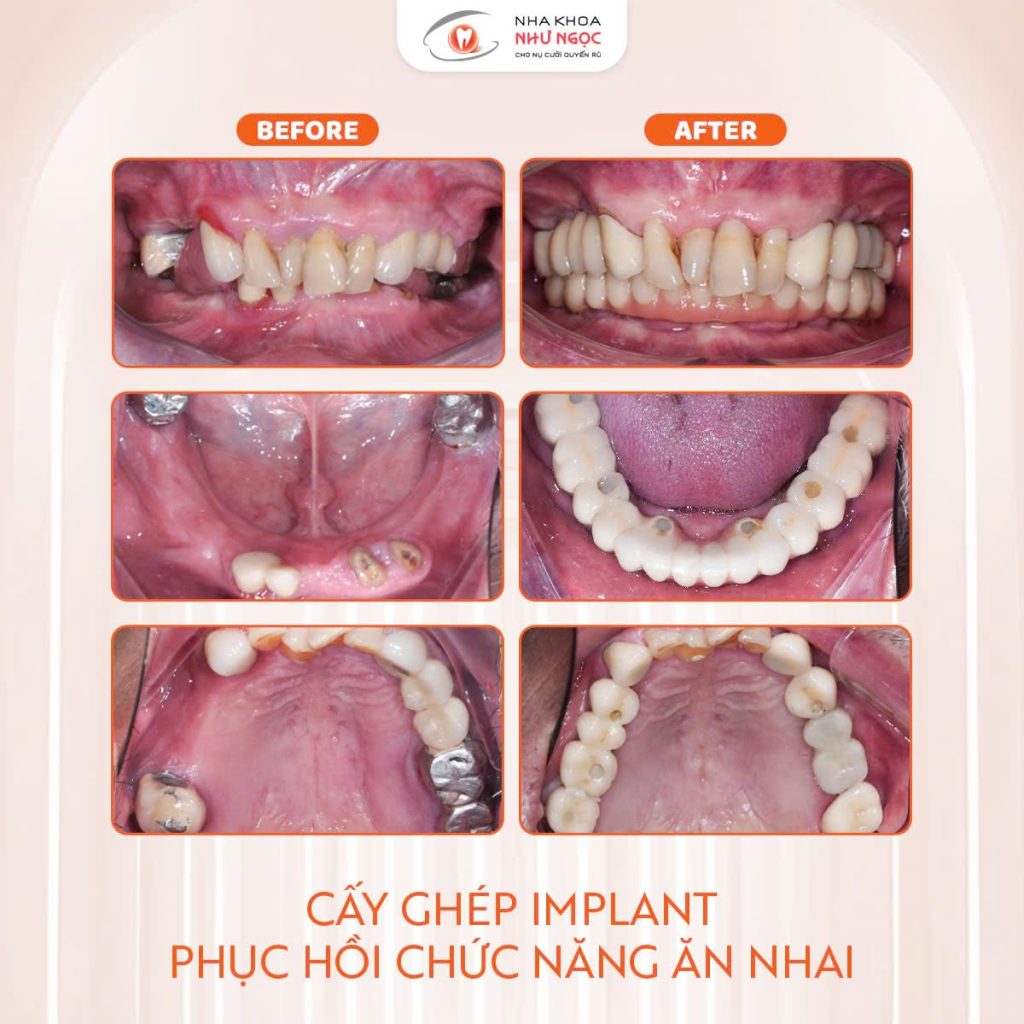
However, many people still wonder whether dental implants are safe for elderly patients. According to current scientific evidence, age itself is not the determining factor for implant success. Instead, overall health status, jawbone quality, and a well-planned treatment protocol play a much more significant role in achieving long-term success.
Age Is Not a Barrier to Dental Implant Treatment
Many people believe that the older a patient becomes, the lower the chance of successful implant integration. Modern research, however, suggests otherwise.
A long-term clinical study involving 902 dental implants placed in 346 patients aged 65 to 89 years reported the following findings:
- An implant survival rate of 95.39% after a follow-up period ranging from 2 to 17 years.
- A patient-based success rate approaching 100%.
- Minimal marginal bone loss around implants (0.17 ± 0.71 mm), indicating excellent osseointegration and long-term implant stability.
These findings demonstrate that older adults can achieve highly successful implant outcomes when proper case selection and standardized treatment protocols are followed.
Patients Over 75 Years of Age Can Still Achieve Excellent Outcomes
A systematic review and meta-analysis of 27 clinical studies involving nearly 3,900 dental implants in patients over the age of 65 further confirmed the safety and effectiveness of implant therapy in elderly individuals.
The analysis found that:
- Patients older than 75 years achieved an approximately 96.8% implant survival rate after five years.
- Patients aged 65–75 years demonstrated a survival rate of approximately 92.1%.
- No significant differences in marginal bone loss were observed among different age groups.
These results indicate that advanced age alone does not reduce the effectiveness of dental implant treatment, provided the patient is in suitable overall health.
Patients with Systemic Medical Conditions Can Still Receive Dental Implants
Many older adults are living with chronic medical conditions such as:
- Diabetes mellitus
- Hypertension
- Cardiovascular disease
- Osteoporosis
These conditions are no longer considered absolute contraindications for dental implant therapy.
A clinical study involving patients with an average age of approximately 67 years, including many individuals with controlled systemic diseases, reported that:
- The implant survival rate reached 96.6% after an average follow-up period of nearly 3.3 years.
- No statistically significant difference in implant success was found between patients with and without systemic diseases when their medical conditions were properly managed.
These findings highlight that a comprehensive medical evaluation before treatment is far more important than chronological age alone.
Dental Implants Are a Reliable Long-Term Tooth Replacement Solution
Numerous systematic reviews and meta-analyses consistently conclude that:
- Dental implants provide a highly durable and predictable solution for replacing missing teeth.
- Patients over the age of 75 can safely undergo dental implant treatment.
- Advanced age should not be considered an exclusion criterion if the patient is medically suitable for treatment.
- Potential complications, such as peri-implantitis and marginal bone loss, can be minimized through proper oral hygiene and regular maintenance visits.
Because dental implants restore chewing efficiency, preserve jawbone volume, and significantly improve quality of life, they are widely recognized as one of the most reliable treatment options for older adults with missing teeth.
Key Factors for Safe Dental Implant Placement in Older Adults
To maximize treatment success and ensure patient safety, a comprehensive preoperative assessment is essential.
Important considerations include:
Comprehensive Medical Assessment
The dentist will review the patient’s overall health, medical history, and recommend any necessary laboratory tests to determine whether implant surgery can be safely performed.
Cone Beam Computed Tomography (CBCT) Evaluation
Three-dimensional CBCT imaging enables precise assessment of jawbone height, width, and bone density, allowing clinicians to develop an individualized treatment plan.
Proper Management of Systemic Diseases
Medical conditions such as diabetes, cardiovascular disease, and hypertension should be well controlled before implant placement to reduce surgical risks and support optimal healing.
Following Postoperative Care Instructions
Maintaining excellent oral hygiene, attending scheduled follow-up appointments, and receiving routine implant maintenance are essential for minimizing complications and ensuring long-term implant success.
Conclusion
Dental implant placement is a safe, predictable, and highly successful treatment option for older adults when performed under appropriate clinical indications. Age alone is not the determining factor for treatment success. Instead, successful outcomes depend on good overall health, accurate assessment of jawbone conditions, careful treatment planning, and care provided by experienced dental professionals following evidence-based clinical protocols.
If you have lost one or more teeth and wish to restore your ability to chew comfortably and smile confidently, consult a trusted dental clinic for a comprehensive evaluation. With proper planning and professional care, dental implants can provide a safe, stable, and long-lasting solution for older adults.