

 20 June, 2026
What Is the Labial Frenum?
Low environment braking
The labial frenum is a soft tissue band located inside the mouth that connects the lip to the gum tissue of the upper or lower jaw. It is a normal anatomical structure present in almost everyone.
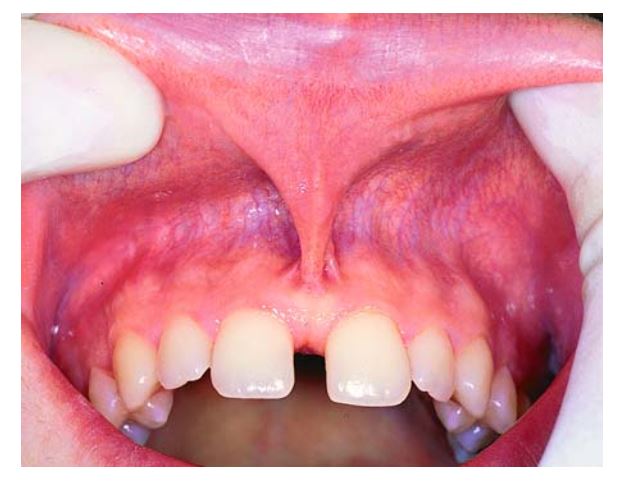
Under normal conditions, the labial frenum attaches relatively high on the gum and does not affect the teeth or gums. However, in some individuals, the frenum attaches too low or extends close to the area between the two front teeth. This condition is known as a low labial frenum attachment.
Although it may seem like a minor anatomical feature, a low labial frenum can contribute to various issues involving dental aesthetics, gum health, and orthodontic treatment outcomes.
Signs of a Low Labial Frenum Attachment
A low labial frenum attachment is often noticeable when the lip is pulled upward or downward. Common signs include:
- A gap between the two front teeth, especially in the upper jaw
- The gum tissue between the front teeth becomes stretched or turns white when the lip is pulled
- The frenum attaches close to the space between the two central incisors
- Increased risk of gum recession around the front teeth
- Pain or tearing of the frenum during trauma or impact
However, not all gaps between the front teeth are caused by a low labial frenum. A professional dental examination is necessary to determine the exact cause.
How Can a Low Labial Frenum Affect Oral Health?
1. Causes a Gap Between the Front Teeth
This is the most common consequence.
When the frenum extends between the two front teeth, it may create tension that prevents the teeth from closing together completely. In some cases, even after orthodontic treatment closes the gap, the space may reopen if the frenum issue is not properly addressed.
2. Increases the Risk of Gum Recession
A low-attached frenum may continuously pull on the gum tissue around the front teeth whenever the lips move during speaking, eating, or smiling.
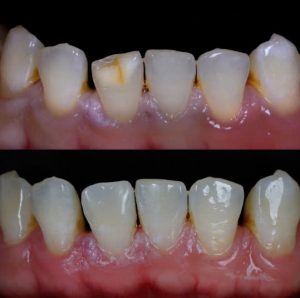
Over time, this tension can contribute to gum recession, exposing more of the tooth root. Gum recession may lead to tooth sensitivity and make oral hygiene more difficult.
3. Increases the Risk of Gingivitis
When the frenum attaches too close to the gum margin, brushing around this area may become more challenging. Plaque can accumulate more easily, increasing the risk of gingival inflammation.
Common symptoms include:
- Red gums
- Bleeding during brushing
- Bad breath
4. Higher Risk of Frenum Tears During Trauma
In cases where the frenum is tight and attached low, it may be more susceptible to injury during falls, impacts, or accidental lip biting.
This is particularly common among active children and those participating in sports.
When Is Treatment Necessary?
Not every case of low labial frenum attachment requires treatment.
Dentists evaluate several factors, including:
- The attachment position of the frenum
- Its impact on the teeth and gums
- Presence of a gap between the front teeth
- Risk of gum recession
- Patient age
- Orthodontic treatment plans
In young children, spaces between the front teeth may naturally close as permanent teeth erupt. Therefore, some cases only require regular monitoring rather than immediate intervention.
Treatment Options
Depending on the individual case, treatment may include:
Regular Monitoring
If the frenum does not cause significant problems, periodic observation may be recommended.
Orthodontic Treatment
If a gap exists between the front teeth, orthodontic treatment may be used to close the space and improve aesthetics.
Frenectomy
If the frenum causes gum tension, interferes with gap closure, or increases the risk of relapse after orthodontic treatment, a frenectomy may be recommended.
A frenectomy is generally a minor procedure that can be completed quickly with a relatively comfortable recovery period.
Should You Assess a Low Labial Frenum at Home?
Many people assume that a gap between the front teeth is always caused by a low labial frenum. However, other possible causes include:
- Tooth and jaw size discrepancies
- Tongue-thrusting habits
- Missing teeth
- Malocclusion
Self-diagnosis may therefore lead to misunderstandings and unnecessary treatment.
Conclusion
A low labial frenum attachment is a common condition that often goes unnoticed. While treatment is not always necessary, it can affect dental aesthetics, gum health, and orthodontic stability if not properly evaluated.
If you or your child has a gap between the front teeth, signs of gum recession, or frequent frenum injuries, it is advisable to visit a dental professional for an appropriate assessment and treatment recommendation.