

 5 July, 2026
Temporomandibular disorders (TMD) can significantly affect a patient’s daily life.
When these symptoms persist or begin to interfere with daily activities, delaying diagnosis and treatment may lead to long-term consequences for chewing function and overall quality of life.
The clinical manifestations of temporomandibular disorders can vary widely, ranging from mild, transient symptoms to persistent pain and significant functional impairment. These disorders involve the temporomandibular joint (TMJ), the masticatory muscles, and other related structures within the masticatory system.
Because symptoms often develop gradually and progress slowly without causing major disruption in the early stages, many patients continue their normal daily activities and do not seek medical attention when the first signs appear. In many cases, patients only visit a healthcare provider after the disorder has persisted for months or even years.
The term Temporomandibular Disorders (TMD) refers to a group of conditions affecting the masticatory system, primarily involving the temporomandibular joint (TMJ), the masticatory muscles, and associated structures.
Consequences of Delaying Treatment for Temporomandibular Disorders
What happens when patients postpone seeking care and TMD is not treated in a timely manner? Below are some of the most common consequences of long-standing temporomandibular disorders.
Chronic Pain – A Common Consequence of Persistent TMD
Pain is the most common symptom of temporomandibular disorders and one of the main reasons patients seek professional care. Initially, pain typically occurs only when chewing hard or chewy foods, opening the mouth widely, or during periods of emotional stress.
Over time, however, the pain may no longer originate solely from damage within the joint. It can progress into chronic pain, significantly affecting work performance, academic activities, and overall quality of life.
Irreversible Joint Damage and the Risk of Degenerative Changes
The temporomandibular joint is the only joint in the human body that contains an articular disc composed of dense fibrous connective tissue positioned between the two articular surfaces. Persistent inflammation or uncontrolled mechanical overload may result in structural changes within the joint.
As the condition progresses, patients may develop:
- Degeneration of the articular cartilage
- Flattening of the mandibular condyle
- Osteophyte (bone spur) formation
- Narrowing of the joint space
- Degenerative temporomandibular joint disease (TMJ osteoarthritis)
These structural changes are often irreversible and may lead to long-term impairment of joint function.
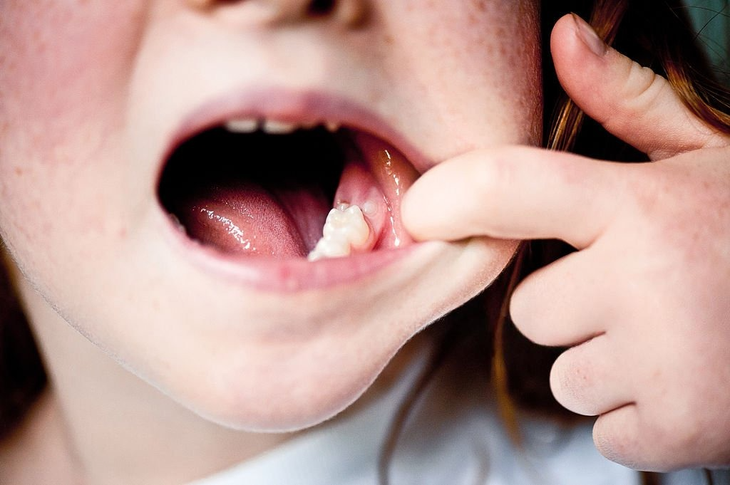
Delayed treatment of temporomandibular disorders may lead to a variety of complications, including impaired chewing function. (Illustrative image)
Limited Jaw Mobility and Impaired Chewing Function
Limited jaw mobility is one of the most common consequences of temporomandibular disorders (TMD) and can have a direct impact on daily activities. In the early stages, patients may experience jaw fatigue when chewing tough or chewy foods, difficulty opening the mouth widely while yawning, or a general feeling that jaw movement is less flexible. Without timely treatment, the condition may progressively worsen, making it difficult to eat, speak, and maintain proper oral hygiene.
One of the key contributing factors is prolonged spasm or tightness of the masticatory muscles. Pain triggers a protective response in the body, causing the surrounding muscles to contract. If this condition persists, the muscles gradually lose their elasticity, leading to a reduced range of motion of the lower jaw.
Persistent Secondary Symptoms
Because the temporomandibular joint is closely connected to the muscles of the head and neck as well as surrounding anatomical structures, long-standing TMD may lead to a variety of extra-articular symptoms. These may include tinnitus, a sensation of fullness or discomfort in the ears, dizziness, impaired balance, recurrent headaches, and pain or stiffness in the neck and shoulders.
Psychological and Sleep-Related Consequences
Chronic pain and persistent functional impairment affect not only physical health but also psychological well-being.
Patients may experience prolonged anxiety, emotional stress, irritability, reduced interest in work and daily activities, sleep disturbances, fatigue, and difficulty concentrating, all of which can significantly diminish their overall quality of life.
Current Treatment Options for Temporomandibular Disorders
Treatment of TMD should be based on an accurate diagnosis and identification of the underlying cause. In most cases, conservative treatment is considered the first-line approach.
Patient Education and Behavioral Modification
Patient education and behavioral modification form the foundation of TMD management. Patients are advised to avoid hard or chewy foods, excessive mouth opening, resting the chin on the hand, nail biting, and chewing on only one side.
In addition, managing stress, reducing habits such as clenching or grinding the teeth, avoiding carrying heavy bags on one shoulder, and limiting the use of high-heeled shoes (for women) may help reduce excessive stress on the masticatory system.
Pharmacological Treatment
Depending on the patient’s condition, the dentist or physician may prescribe analgesics, anti-inflammatory medications, muscle relaxants, or other medications to help control chronic pain and improve sleep quality.
Physical Therapy and Rehabilitation
In addition to medication, physical therapy and rehabilitation techniques—including jaw exercises, muscle stretching, massage therapy, heat therapy, and low-level laser therapy (LLLT)—may be recommended to relieve pain, improve jaw function, and promote recovery.
Occlusal Splints
For patients with teeth clenching or bruxism, an occlusal splint may be recommended to reduce the load on the temporomandibular joint, relax the masticatory muscles, and protect the structures of the masticatory system.
If conservative treatment does not provide adequate symptom relief, the clinician may consider minimally invasive procedures, such as arthrocentesis (joint lavage) or intra-articular injections, depending on the patient’s condition.
Source: Tuổi Trẻ