

 30 June, 2026
ROOT CANAL TREATMENT: WHEN AND HOW?
Root canal treatment (or tooth pulp removal) is often a dental nightmare for many due to the fear of pain. However, understanding the “heart” of your tooth will help you stay calm and make timely decisions to preserve your natural teeth.
1. What is Tooth Pulp? (It’s not the spinal cord!)
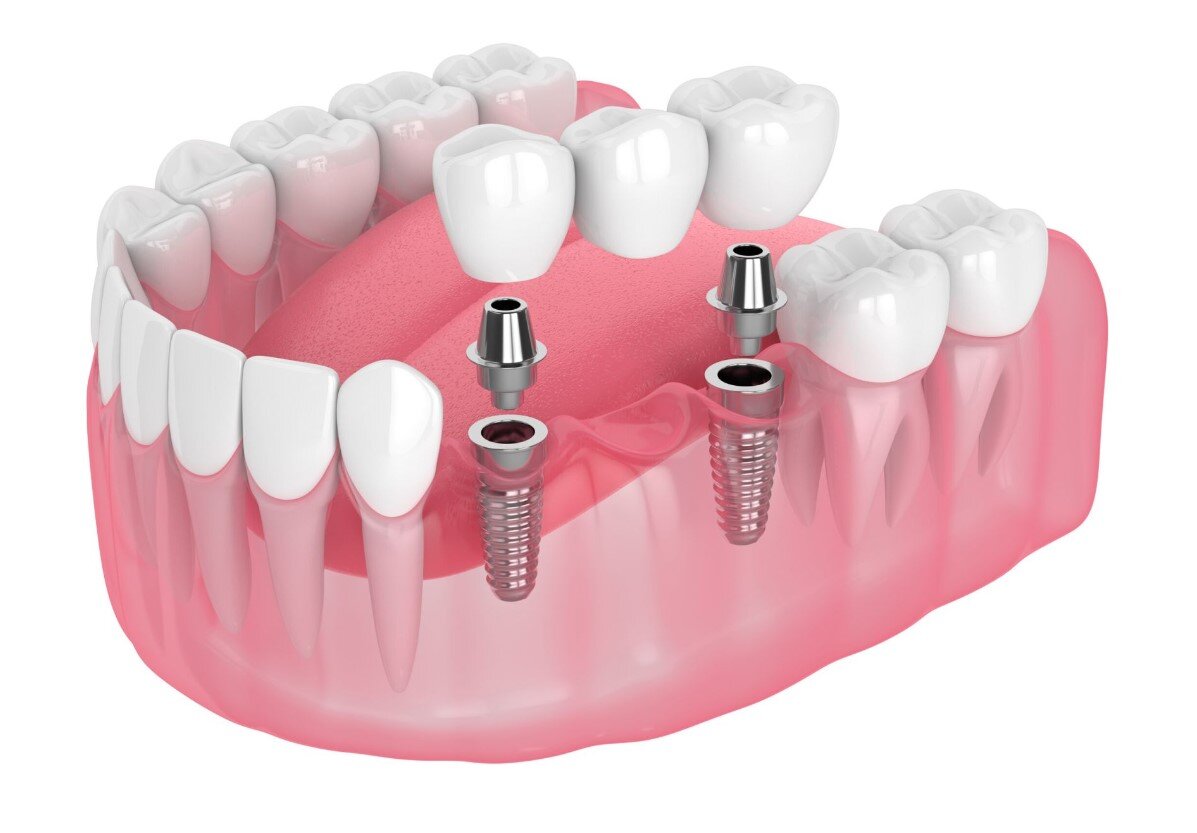
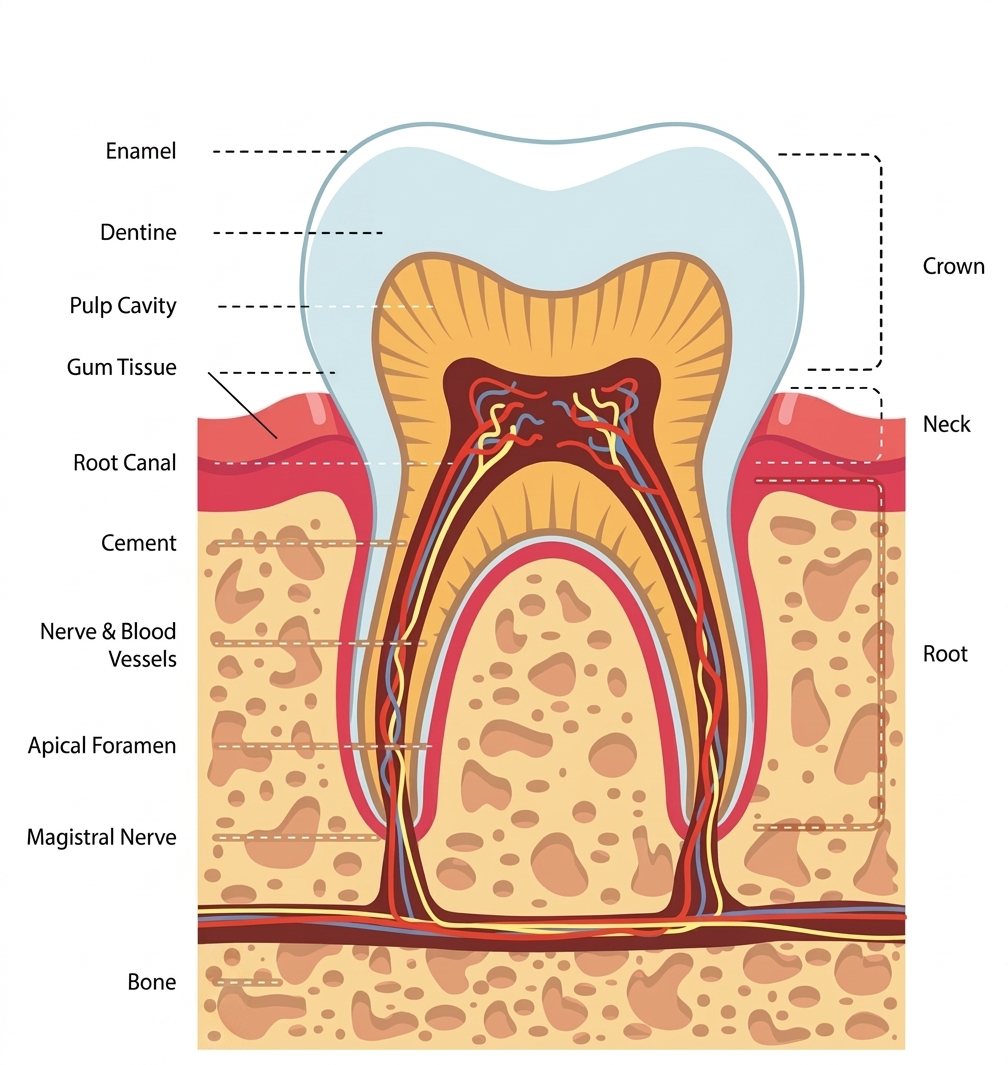
First, let’s clear up a common misconception: tooth pulp is entirely different from the spinal cord. Tooth pulp is a specialized connective tissue made up of blood vessels and nerves, located in a hollow cavity between the crown (pulp chamber) and the root of the tooth (root canal).
-
Function: It nourishes the tooth and transmits sensations (hot, cold, pain, and sensitivity).
-
Protective structure: The pulp is protected by tough layers of dentin and enamel. When this protective shell is breached (due to tooth decay or trauma), the pulp is exposed to bacterial attacks and becomes inflamed.
Anatomy of a Tooth
2. Reversible vs. Irreversible Pulpitis
Not every case of pulp inflammation requires a root canal. Dentists usually categorize pulpitis based on the pulp’s ability to heal itself:
2.1. Reversible Pulpitis
This is the mildest stage. You may feel a sharp pain or sensitivity when consuming sweet, very hot, or very cold foods. The pain usually lasts for just a few seconds and then subsides.
-
Treatment: At this stage, if the underlying cause is removed (for example, by filling a cavity), the pulp can recover on its own without needing a root canal.
2.2. Irreversible Pulpitis
When bacteria penetrate deeper, the inflammation becomes severe. Typical symptoms include spontaneous pain (pain that occurs even when you aren’t eating or drinking), intense throbbing pain at night, or pain that radiates up to your temples.
-
Treatment: At this point, the pulp is permanently damaged and begins to necrose (die). The dentist must remove the inflamed pulp, clean the root canals, and seal them to prevent the infection from spreading into the jawbone.
3. Does a Tooth Always Have to “Hurt” to Need a Root Canal?
The answer is NO. This is a common misconception that causes many people to lose their teeth unnecessarily.
There are cases where the pulp “dies silently”:
-
Necrotic Pulp: The tooth pulp dies gradually due to bacteria or trauma without causing acute pain. However, it creates an infection (abscess) at the tip of the root, which can eventually cause facial swelling or a pus-draining fistula.
-
Leaking Old Dental Crowns: Bacteria can seep under an old crown, causing recurrent decay and killing the pulp inside without your knowledge until the tooth becomes loose.
-
Past Dental Trauma: A blow to the mouth from years ago could have severed the blood vessels nourishing the pulp, causing the tooth to discolor (turning grey or black) even if it doesn’t hurt.
4. Don’t Wait for the Pain to Get a Checkup
By the time you feel severe pain, the infection has already reached a critical level. Delaying treatment comes with major risks:
-
Risk of tooth loss: The spreading infection can dissolve the surrounding jawbone (bone loss), leaving the tooth with no support and forcing an extraction.
-
Systemic complications: Bacteria from a root infection can enter the bloodstream, potentially affecting your sinuses, cardiovascular system, or respiratory tract.
-
Higher costs: Saving a severely infected tooth is much more complex and expensive than filling a simple cavity early on.
Our Advice: Visit your dentist regularly every 6 months. Dentists use X-rays to detect hidden infections deep beneath the tooth roots, even before you feel any pain.