

 2 July, 2026
Symptomatic irreversible pulpitis is one of the most common pulp diseases and a frequent cause of acute dental pain, prompting many patients to seek treatment at dental clinics.
The condition is characterized by spontaneous, persistent pain that often intensifies at night and can significantly affect a patient’s daily activities, sleep quality, and psychological well-being.
In clinical practice, pain control is usually the patient’s most urgent concern. Therefore, achieving effective pain relief is considered a primary treatment objective in the management of symptomatic irreversible pulpitis.

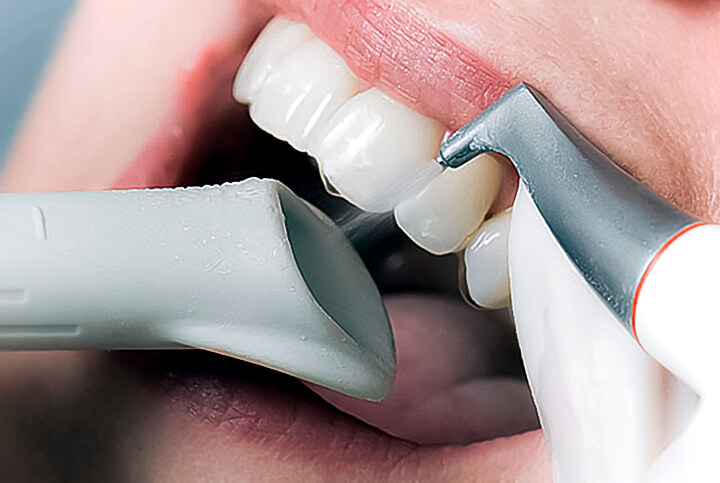
Characteristic pain of pulpitis includes spontaneous, persistent episodes that often become more severe at night and may significantly affect daily activities, sleep quality, and psychological well-being. Photo: VTNN.
Why Is Pain from Symptomatic Irreversible Pulpitis So Severe?
Pain associated with symptomatic irreversible pulpitis arises from the unique anatomical and physiological characteristics of the dental pulp. The pulp is enclosed within a rigid chamber with very limited capacity for expansion. As inflammation progresses, vasodilation and inflammatory exudation increase intrapulpal pressure, compressing nerve endings within the pulp tissue.
At the same time, inflammatory mediators such as prostaglandins, bradykinin, and histamine are released, sensitizing A-delta and C nerve fibers. This results in sharp pain in response to stimulation as well as dull, spontaneous, and persistent pain.
General Principles of Pain Management for Symptomatic Irreversible Pulpitis
When experiencing toothache, many people choose to self-medicate with over-the-counter analgesics. Although these medications may provide temporary symptom relief, they cannot eliminate the underlying cause of pain if pulpal inflammation continues to progress.
Therefore, the primary goal of treatment is to eliminate the source of the disease while relieving intrapulpal pressure and controlling the inflammatory response.
Patients should be examined by a dental professional to accurately assess the extent of pulpal damage and determine the most appropriate treatment plan. Depending on the clinical condition, an individualized treatment strategy will be developed. Properly performed endodontic treatment plays a critical role in achieving effective pain relief while preserving the natural tooth.
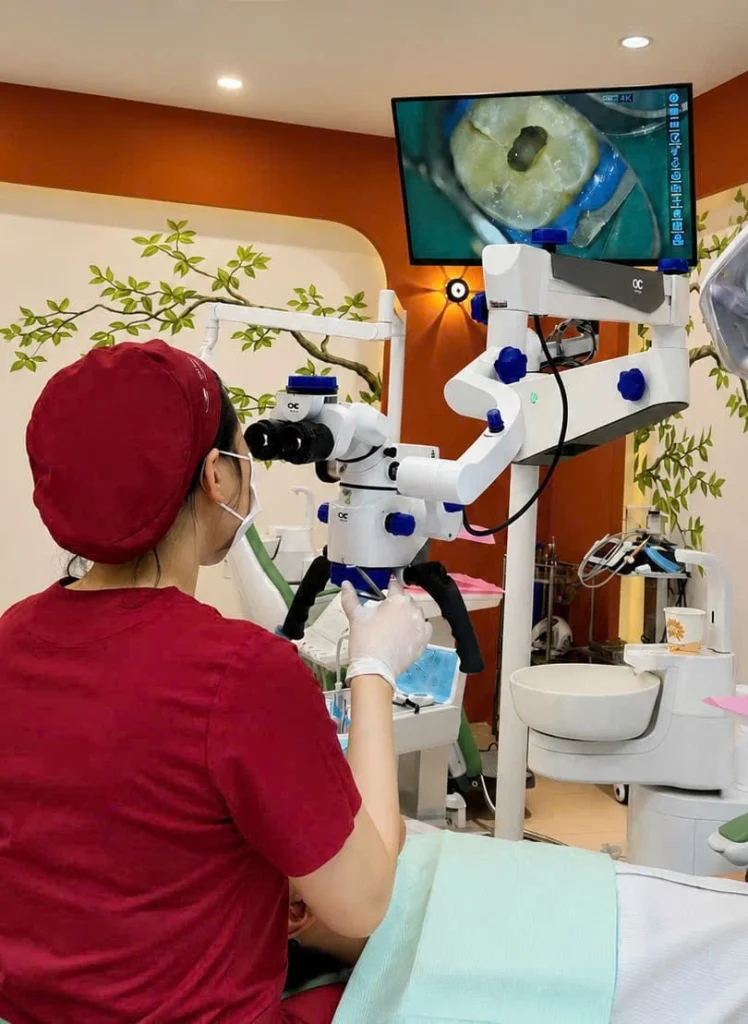
Pain-relieving pulpal decompression performed under a dental operating microscope. Photo: VTNN.
2. Pain Management Strategies for Symptomatic Irreversible Pulpitis
Non-pharmacological Pain Management
Proper access cavity preparation is a key procedure for relieving intrapulpal pressure, thereby reducing stimulation of the pulpal nerve endings.
Removal of carious tissue and inflamed pulp tissue, combined with effective isolation using a rubber dam, thorough irrigation of the root canal system, and placement of a well-sealed temporary restoration, helps minimize the risk of reinfection and recurrence of pain.
In many cases of symptomatic irreversible pulpitis, intrapulpal decompression alone can provide significant pain relief.
Pharmacological Pain Management
Paracetamol (acetaminophen) and nonsteroidal anti-inflammatory drugs (NSAIDs) are commonly used to provide supportive pain relief in patients with symptomatic irreversible pulpitis. When appropriate, these medications may be used in combination to enhance analgesic efficacy.
Antibiotics are not routinely indicated for symptomatic irreversible pulpitis and should only be prescribed when there is evidence of spreading infection or systemic involvement.
3. Pain Control Through Endodontic Treatment
Endodontic therapy (root canal treatment) is the definitive approach for controlling pain associated with symptomatic irreversible pulpitis.
The treatment protocol typically includes appropriate local anesthesia, rubber dam isolation, access cavity preparation, cleaning and shaping of the root canal system, placement of intracanal medicaments such as calcium hydroxide when indicated, and placement of a well-sealed temporary restoration.
In some cases, treatment may be completed over multiple visits to ensure effective pain control and patient safety. For appropriately selected cases, pulpectomy and complete root canal obturation may be performed in a single appointment.
4. Pain Management in Special Clinical Situations
Patients with Local Anesthetic Allergy
When a patient is confirmed to have a true allergy to local anesthetics, the clinician should carefully identify the specific agent responsible, such as topical anesthetic sprays, lidocaine, articaine, or other local anesthetics. Allergy testing may be considered to identify a safe and appropriate alternative anesthetic.
If local anesthesia cannot be used, pain may be managed through mechanical decompression by carefully opening the pulp chamber to reduce intrapulpal pressure while minimizing trauma to the remaining vital pulp tissue. This approach may be combined with systemic analgesics, primarily NSAIDs, or, in selected cases, treatment under general anesthesia may be considered.
Rubber dam isolation is essential during root canal treatment to ensure proper isolation and effective irrigation and debridement of the root canal system.
Photo: VTNN.
Management of Uncooperative Pediatric Patients
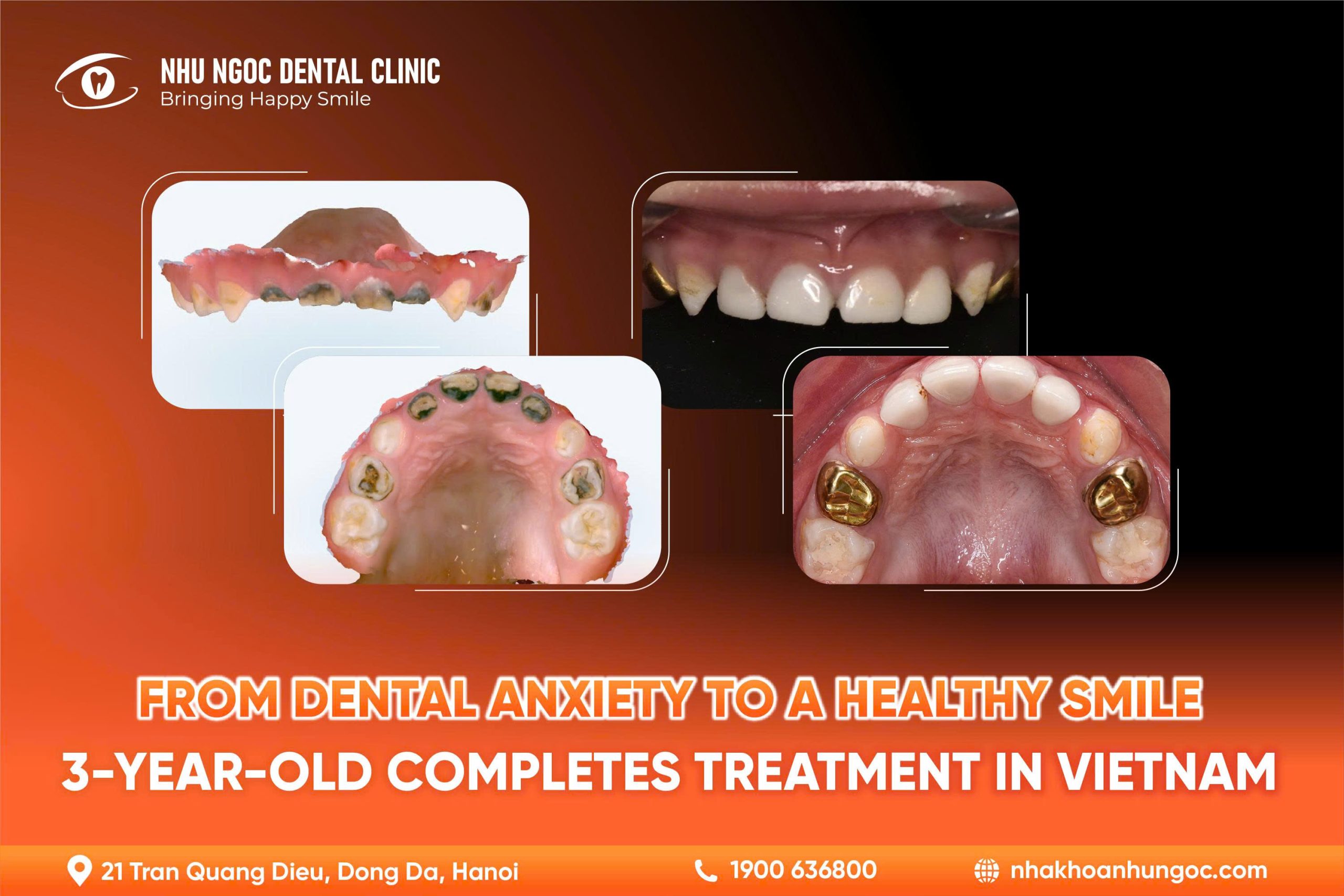
Managing pulpitis in uncooperative children is always a clinical challenge for dentists. In addition to achieving effective pain control, providing a comfortable treatment experience while minimizing psychological stress is equally important.
Devitalizing agents such as arsenic compounds and formocresol are not recommended for use in children because of the potential risk of soft tissue injury, alveolar bone damage, and other adverse complications.
Instead, clinicians should prioritize safer treatment approaches, including appropriate local anesthesia, access cavity preparation to relieve intrapulpal pressure, and the use of contemporary biocompatible materials.
Depending on the extent of tooth damage and the child’s level of cooperation, either pulpotomy or pulpectomy (root canal treatment) may be performed in one or multiple visits. In particularly complex cases, treatment under general anesthesia may be considered to ensure patient safety and treatment success.
Management of Symptomatic Irreversible Pulpitis During Pregnancy
In pregnant patients, symptomatic irreversible pulpitis requires prompt evaluation and appropriate management. Delaying treatment solely because of pregnancy is generally not beneficial, whereas persistent dental pain may lead to stress, sleep disturbance, and potential adverse effects on both maternal and fetal health.
The primary objective is to control pain and inflammation using the safest and least invasive treatment approach possible. When indicated, procedures such as access cavity preparation to relieve intrapulpal pressure and eliminate the source of pain can be safely performed.
Depending on the severity of pulpal involvement and the stage of pregnancy, the clinician may choose temporary management, pulpotomy, or complete endodontic treatment.
In some cases, once the acute symptoms have been controlled, completion of the remaining treatment may be postponed to a more appropriate time. When analgesic medication is required, paracetamol (acetaminophen) is generally considered the first-line choice because of its well-established safety profile during pregnancy.
Devitalizing Agents Such as Arsenic and Formocresol Should No Longer Be Used in Endodontic Treatment
Most cases of acute pain caused by symptomatic irreversible pulpitis can be effectively controlled when the underlying cause is properly managed through appropriate endodontic treatment.
In many patients, relieving intrapulpal pressure, removing inflamed pulp tissue, and thoroughly cleaning the root canal system are sufficient to achieve significant pain relief without the need for devitalizing agents.
Historically, arsenic compounds and formocresol were used to induce pulp necrosis for pain relief. However, because their effects are difficult to control, these agents may cause damage to soft tissues, alveolar bone, and surrounding structures, leading to serious complications.
For these reasons, their use is no longer recommended in modern endodontic practice. Contemporary treatment emphasizes preservation of the natural tooth, effective control of inflammation, and the use of highly biocompatible materials, providing a safer and more predictable therapeutic approach.
Pain associated with symptomatic irreversible pulpitis not only causes considerable discomfort but can also interfere with sleep, work performance, and overall quality of life.
In most cases, self-medication with over-the-counter analgesics provides only temporary symptom relief and does not address the underlying pathology. Appropriate treatment should focus on eliminating the source of pain through evidence-based endodontic procedures.
With advances in modern dentistry, most patients can achieve effective pain control while preserving their natural teeth through safe and minimally invasive treatment techniques. Therefore, patients should not delay seeking professional dental care if they experience persistent or recurrent toothache.
Source: Nông Nghiệp Môi Trường