

 23 June, 2026
Early Orthodontic Evaluation for Children: Why Timing Matters
Early detection and treatment of dental and orthodontic problems not only address current concerns but also help prevent more serious issues as children grow. So, when should a child begin orthodontic treatment, and what should parents know throughout the process?
Why Early Dental and Orthodontic Check-ups Are Important
The American Association of Orthodontists (AAO) recommends that every child have their first orthodontic evaluation by the age of 7. At this stage, the first permanent molars and permanent front teeth have usually erupted, allowing orthodontists to assess jaw growth, tooth alignment, and bite development while both baby and permanent teeth are present.
Early evaluation enables dentists to:
- Detect developing bite and alignment problems.
- Monitor jaw growth and tooth eruption.
- Assess the risk of tooth decay, especially in newly erupted first permanent molars.
- Develop an individualized treatment plan if needed.
However, children should be evaluated earlier if they experience:
- Crowded, crooked, or misaligned teeth.
- Early or delayed loss of baby teeth.
- Difficulty chewing or biting.
- Crossbite or underbite.
- Jaw clicking or facial asymmetry.
- Oral habits such as thumb sucking, tongue thrusting, lip biting, or mouth breathing.
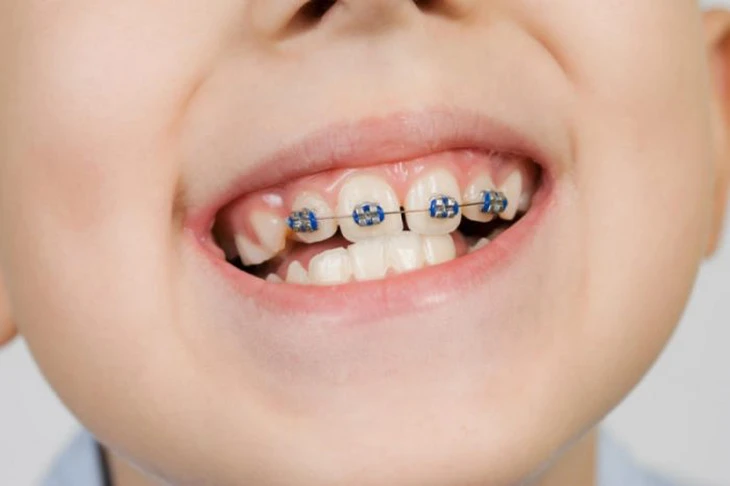
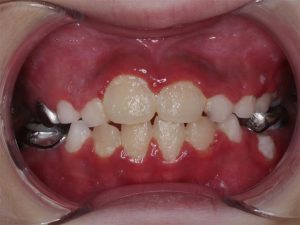
Children should have their first orthodontic check-up by age 7
The Best Age for Orthodontic Treatment
For most children, the ideal age to begin comprehensive orthodontic treatment is around 9 years old, when they can cooperate well during treatment.
Early orthodontic intervention (typically between 7 and 10 years old) can:
- Guide permanent teeth into proper positions.
- Promote healthy jaw development.
- Reduce crowding.
- Minimize or even eliminate the need for more complex treatment, including surgery, later in life.
Not every child requires early treatment, so a professional orthodontic assessment is essential before making any decisions.
Orthodontic Treatment Options
Orthodontic appliances generally fall into two categories:
- Removable appliances, including clear aligners.
- Fixed appliances, such as traditional braces.
The most appropriate option depends on the child’s dental condition, age, level of cooperation, the orthodontist’s recommendation, and the family’s preferences.
Some preventive orthodontic appliances may be used as early as 3 years old to correct harmful oral habits or minor bite problems. Certain clear aligner systems are also designed for children from 7 years old, once the first permanent molars and front teeth have erupted.
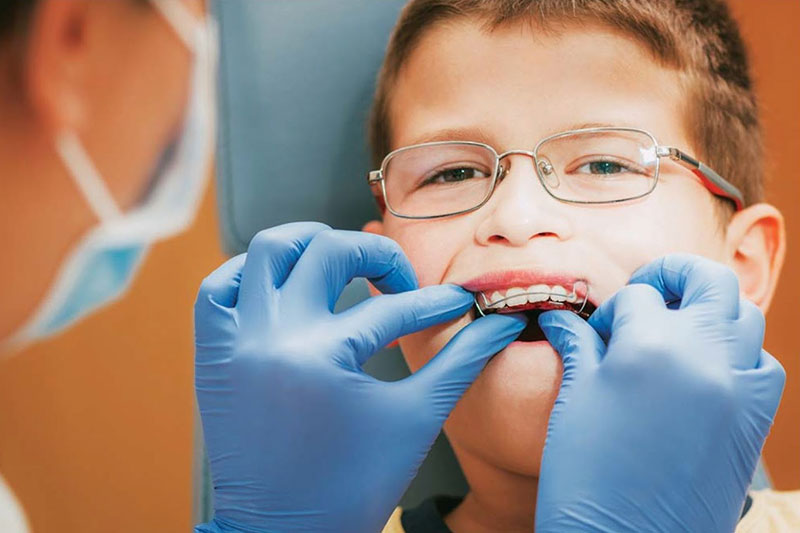
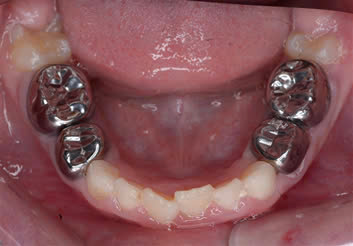
Regular dental check-ups help keep your child’s smile healthy
What Parents Should Know During Orthodontic Treatment
Orthodontic treatment takes time, and children may initially feel uncomfortable wearing braces or aligners. They may also find eating and speaking slightly different during the adjustment period.
Maintaining excellent oral hygiene is especially important because braces and other appliances can make brushing more challenging, increasing the risk of tooth decay and gum inflammation.
Parents should help children:
- Brush properly using a child-sized toothbrush.
- Use fluoride toothpaste appropriate for their age.
- Clean between teeth with dental floss.
- Keep removable appliances and clear aligners clean.
- Follow a balanced, tooth-friendly diet.
- Attend regular dental and orthodontic check-ups as scheduled.
With proper care and early intervention, orthodontic treatment can support healthy dental development, improve oral function, and give children a confident smile that lasts a lifetime.
Source: Sức Khỏe & Đời Sống