

 7 July, 2026
Brushing your teeth twice a day is an essential part of maintaining good oral hygiene, but it is only one piece of the puzzle. Toothbrush bristles cannot effectively reach the tight spaces between your teeth, allowing food debris and plaque to accumulate over time.
That is why dentists strongly recommend adding dental floss to your daily oral care routine. Learning how to floss correctly helps remove plaque, reduce bacteria, protect your gums, and lower the risk of many oral health problems.
In this guide, Nhu Ngoc Dental Clinic explains why flossing matters, the different types of dental floss available, and the proper flossing technique for both natural teeth and braces.
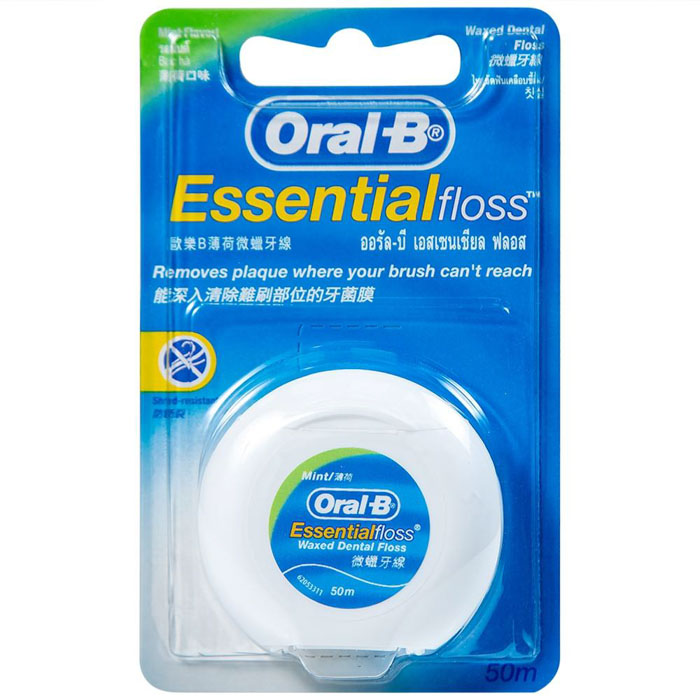
Chỉ nha khoa Oral-B được sử dụng phổ biến trên thị trường
Why Is Flossing Important?
Plaque is a sticky layer of bacteria that continuously forms on the teeth. If it is not removed regularly, it can lead to cavities, gum disease, bad breath, and other oral health complications.
Unlike a toothbrush, dental floss can reach areas between the teeth where plaque often hides.
Daily flossing provides many important health benefits.
1. Helps Prevent Gum Disease
Plaque often accumulates around the gumline. If left untreated, it can cause inflammation, bleeding gums, and eventually periodontal disease.
Regular flossing removes plaque before it hardens into tartar, helping keep your gums healthy.
2. Reduces the Risk of Tooth Decay
Food particles trapped between teeth become food for harmful bacteria, producing acids that weaken tooth enamel.
Flossing removes these particles and helps lower the risk of cavities.
3. Improves Breath Freshness
Persistent bad breath is frequently caused by bacteria and food debris trapped between teeth.
Daily flossing removes these hidden sources of odor, resulting in fresher breath and greater confidence.
4. Supports Overall Health
Research suggests that oral health is closely connected to general health.
Poor gum health has been associated with conditions such as:
- Heart disease
- Diabetes
- Respiratory infections
- Chronic inflammation
Maintaining clean teeth and healthy gums may contribute to better overall wellness.
Types of Dental Floss
Choosing the right floss makes daily cleaning easier and more comfortable.
Traditional Dental Floss
This is the most common type of floss, available in:
- Waxed floss
- Unwaxed floss
- Flavored floss
- Unflavored floss
Waxed floss slides more easily between tightly spaced teeth and is less likely to shred.
Floss Picks
Floss picks feature a short piece of floss attached to a small plastic handle.
They are:
- Easy to carry
- Convenient for travel
- Ideal for quick cleaning after meals
However, traditional floss often provides greater flexibility for thorough cleaning.
How to Floss Correctly
Using proper technique is just as important as flossing every day.
Follow these simple steps.
Step 1: Cut the Right Length
Use approximately 18–24 inches (45–60 cm) of floss.
Wrap most of the floss around your middle fingers, leaving about 2 inches (5 cm) to work with.
Step 2: Hold the Floss Properly
Grip the floss tightly between your thumbs and index fingers.
Maintain gentle tension while guiding it between your teeth.
Step 3: Slide Between Teeth Carefully
Insert the floss slowly between two teeth.
Avoid snapping the floss into your gums, as this may cause injury.
Step 4: Form a “C” Shape
Curve the floss around one tooth, creating a C shape.
Move the floss gently up and down against the side of the tooth.
Repeat on the adjacent tooth before removing the floss.
Be sure to clean slightly below the gumline without applying excessive force.
Step 5: Use a Clean Section Each Time
Advance to a fresh section of floss before cleaning the next space.
This prevents transferring bacteria from one area of the mouth to another.
Step 6: Rinse Afterwards
After flossing, rinse your mouth thoroughly with water or an antibacterial mouthwash to wash away loosened debris and plaque.
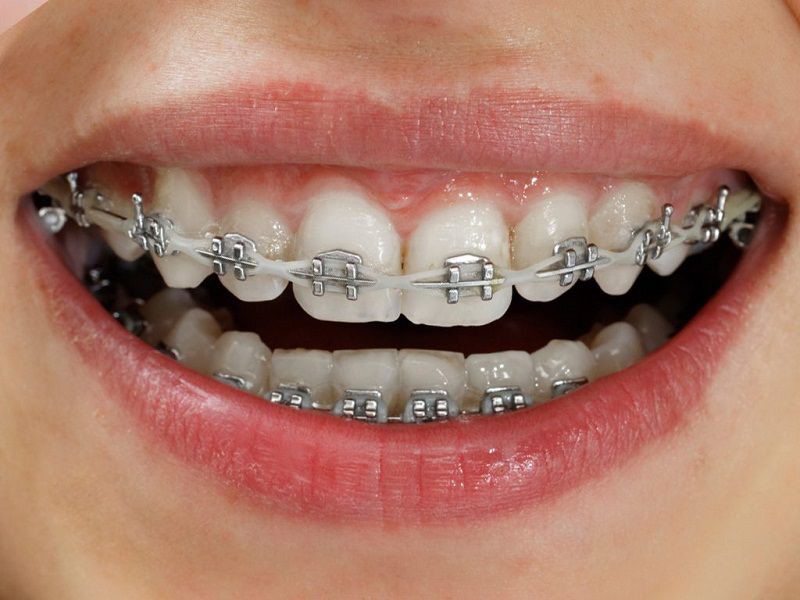
How to Floss with Braces
Flossing around braces requires extra patience but remains essential for preventing plaque buildup.
For best results:
- Choose waxed floss or orthodontic floss.
- Stand in front of a mirror.
- Carefully thread the floss beneath the archwire.
- Clean each side of every tooth using gentle vertical motions.
- Remove the floss carefully without pulling too hard.
- Repeat for every tooth.
Although flossing with braces takes longer, it significantly reduces the risk of cavities, gum inflammation, and white spot lesions during orthodontic treatment.
Common Flossing Mistakes to Avoid
Even regular flossers sometimes develop habits that reduce effectiveness.
Using Too Little Floss
Reusing the same section spreads bacteria throughout the mouth.
Always move to a fresh section for each tooth.
Flossing Too Aggressively
Applying excessive force can damage gum tissue and cause bleeding.
Use gentle, controlled movements instead.
Choosing the Wrong Type of Floss
People with tight teeth often benefit from waxed floss, while those with larger spaces may prefer thicker floss or dental tape.
Selecting the right product makes flossing easier and more effective.
Skipping Daily Flossing
Flossing occasionally is far less beneficial than making it part of your daily oral hygiene routine.
Consistency is the key to long-term oral health.
Frequently Asked Questions
Should I floss before or after brushing?
Either order is acceptable. Many dental professionals recommend flossing before brushing because it loosens plaque and food particles, allowing toothpaste to clean more effectively.
How often should I floss?
Floss at least once every day for optimal oral health.
Is bleeding during flossing normal?
Minor bleeding may occur when beginning a flossing routine if your gums are inflamed.
If bleeding continues for more than one week, schedule a dental examination.
Can children floss?
Yes. Children should begin flossing once neighboring teeth begin touching. Parents should assist until the child develops sufficient coordination.
Expert Oral Care Tips
For the healthiest smile, combine daily flossing with these habits:
- Brush twice daily using fluoride toothpaste.
- Replace your toothbrush every three months.
- Limit sugary foods and drinks.
- Drink plenty of water.
- Schedule regular professional dental check-ups and cleanings every six months.
Conclusion
Brushing alone cannot completely remove plaque and food particles from between your teeth. Incorporating proper flossing into your daily routine significantly improves oral hygiene, reduces the risk of cavities and gum disease, and helps maintain fresh breath.
At Nhu Ngoc Dental Clinic, we believe that small daily habits lead to lasting oral health. If you have questions about flossing techniques, braces care, or preventive dentistry, our experienced dental team is always ready to help you achieve a healthier, more confident smile.