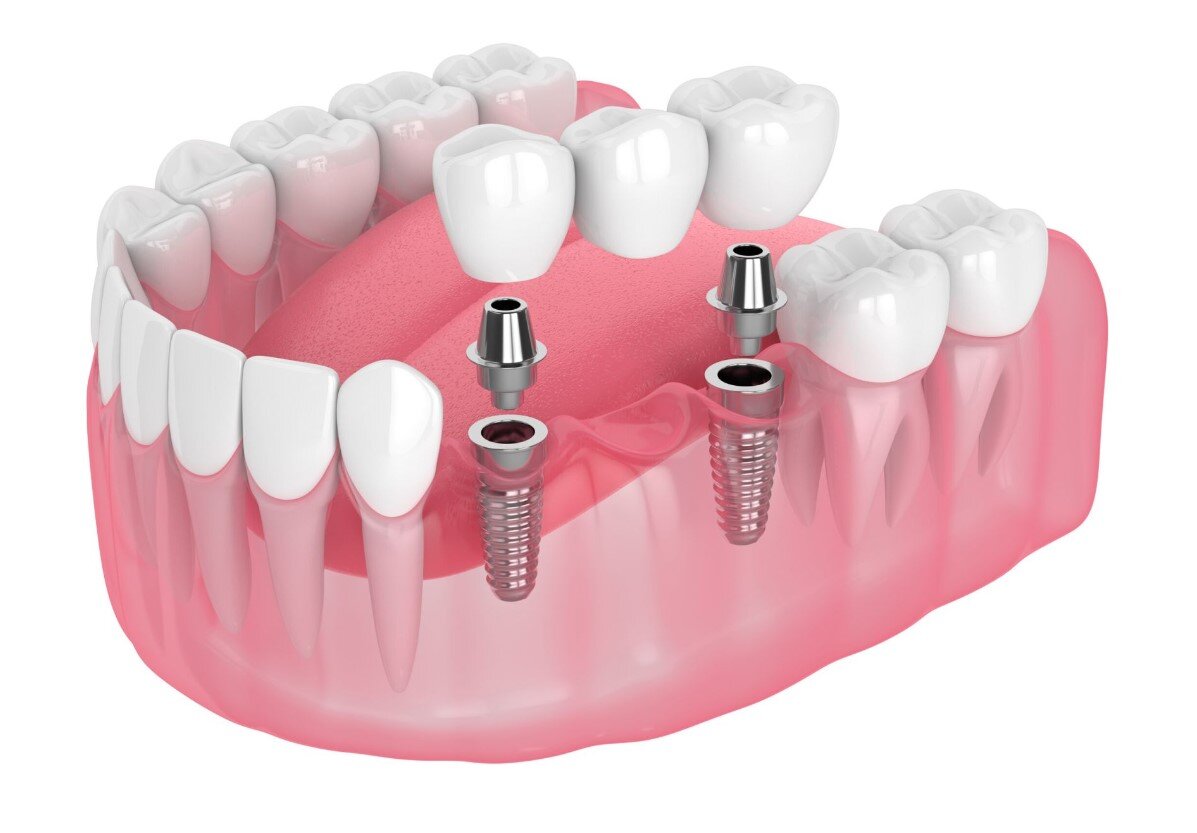


 7 July, 2026
Is Mini Screw Anchorage in Orthodontics Really Scary?
When an orthodontist recommends the use of mini screws (Mini Vis) during orthodontic treatment, many patients become anxious, assuming that it is a complicated and painful procedure. In reality, mini screws are one of the most significant advances in modern orthodontics, allowing orthodontists to control tooth movement more precisely and achieve more predictable treatment outcomes.
So, what exactly are mini screws? Are they really as intimidating as they seem? And does every orthodontic patient need them? Let’s explore the answers with Nhu Ngoc Dental Clinic.
What Are Mini Screws in Orthodontics?
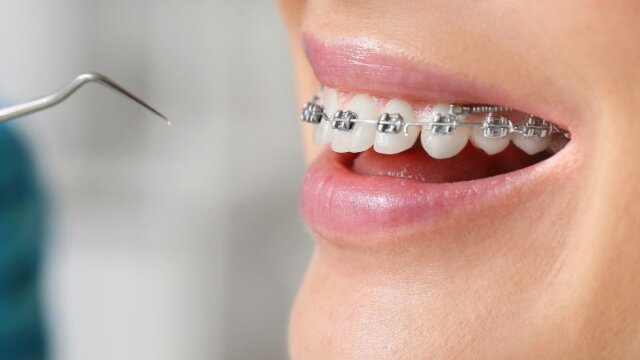
Mini screws, also known as Temporary Anchorage Devices (TADs), are small titanium alloy screws temporarily inserted into the jawbone to provide stable anchorage during orthodontic treatment.
By creating a fixed anchor point, mini screws allow orthodontists to move specific teeth more accurately without affecting adjacent teeth. Once the treatment is completed, the mini screws can be removed easily without causing permanent damage to the bone or surrounding tissues.
Source: Internet
Benefits of Mini Screws in Orthodontics
Enhanced Anchorage Control
Mini screws provide a stable support point within the jawbone, allowing the desired teeth to move efficiently while minimizing unwanted movement of other teeth.
Support for Complex Orthodontic Cases
Mini screws are commonly recommended for patients with:
- Deep bite
- Open bite
- Severe protrusion (buck teeth)
- Space closure after tooth extraction
- Full-arch distalization
- Impacted tooth traction
As a result, many complex orthodontic cases can be treated more effectively than with conventional methods.
Less Dependence on Patient Compliance
Unlike traditional extraoral appliances such as headgear, mini screws do not rely on patient cooperation. This allows treatment to progress more consistently and predictably.
Shorter Treatment Time
By providing better control over orthodontic forces and reducing unwanted tooth movement, mini screws can help shorten treatment time in many cases.
Does Mini Screw Placement Hurt?
This is one of the most common concerns among patients.
Before the procedure, the orthodontist administers local anesthesia, so patients generally experience little to no pain during the insertion. After the anesthesia wears off, mild soreness or pressure around the insertion site may occur for the first one or two days, but this discomfort is usually temporary and manageable.
Most patients are able to resume their normal daily activities immediately after the procedure.
Are Mini Screws Safe?
Mini screw placement is considered a safe and minimally invasive procedure when performed by an experienced orthodontist. However, like any dental procedure, there are some potential risks, including:
- Gum inflammation around the mini screw due to poor oral hygiene.
- Loosening of the mini screw because of inadequate bone quality or early loading.
- In rare cases, accidental contact with adjacent tooth roots if the insertion site is not accurately planned.
Today, the combination of digital X-rays and Cone Beam Computed Tomography (CBCT) enables orthodontists to determine the safest insertion site, significantly reducing the risk of complications.
Does Every Orthodontic Patient Need Mini Screws?
The answer is no.
Mini screws are only recommended when conventional anchorage methods are insufficient to achieve the desired treatment objectives.
For patients with mild to moderate orthodontic problems, successful treatment can often be achieved without the use of mini screws.
How to Care for Mini Screws After Placement
To ensure the stability and success of mini screws, patients should:
- Keep the area around the mini screw clean.
- Use an interdental brush or water flosser as instructed by the orthodontist.
- Avoid hard or sticky foods during the first few days.
- Attend all scheduled follow-up appointments.
Proper oral hygiene and regular check-ups greatly reduce the risk of infection and improve the long-term stability of the mini screws.
Conclusion
Mini screws have become an essential tool in modern orthodontics, especially for patients who require absolute anchorage or have complex malocclusions. Although their placement is considered a minimally invasive procedure, it is highly safe when performed by a qualified orthodontist following a carefully planned treatment strategy.
If you’re wondering whether mini screws are necessary for your orthodontic treatment, visit Nhu Ngoc Dental Clinic for a comprehensive examination and personalized consultation. Our orthodontic specialists will assess your dental condition, develop a customized treatment plan, and help you achieve a healthier, more confident smile with peace of mind.