

 21 October, 2026
Many Children with Cleft Lip and Palate Continue to Experience Speech Difficulties After Surgery. Assessing Velopharyngeal Function Helps Identify the Cause and Determine the Most Appropriate Treatment.
Proper Care for Children After Short Lingual Frenulum Release Surgery
For children born with cleft lip and palate, surgical closure of the cleft is an important step in the treatment process. However, not every child achieves clear speech after surgery. Many families notice that their children continue to speak with excessive nasal resonance, mispronounce sounds, or struggle to express themselves clearly, making it difficult for others to understand them.
These symptoms may be associated with the function of the velopharyngeal mechanism, which plays a key role in regulating airflow during speech. Identifying the underlying cause is essential not only for selecting appropriate treatment but also for reducing the risk of persistent speech disorders that may affect children’s communication and social integration.
Why Do Children Continue to Speak with a Nasal Voice After Surgery?
During speech production, air travels from the lungs through the larynx and pharyngeal region before exiting the body. For most speech sounds, airflow must be directed through the oral cavity, while the nasal cavity primarily contributes to the production of nasal sounds.
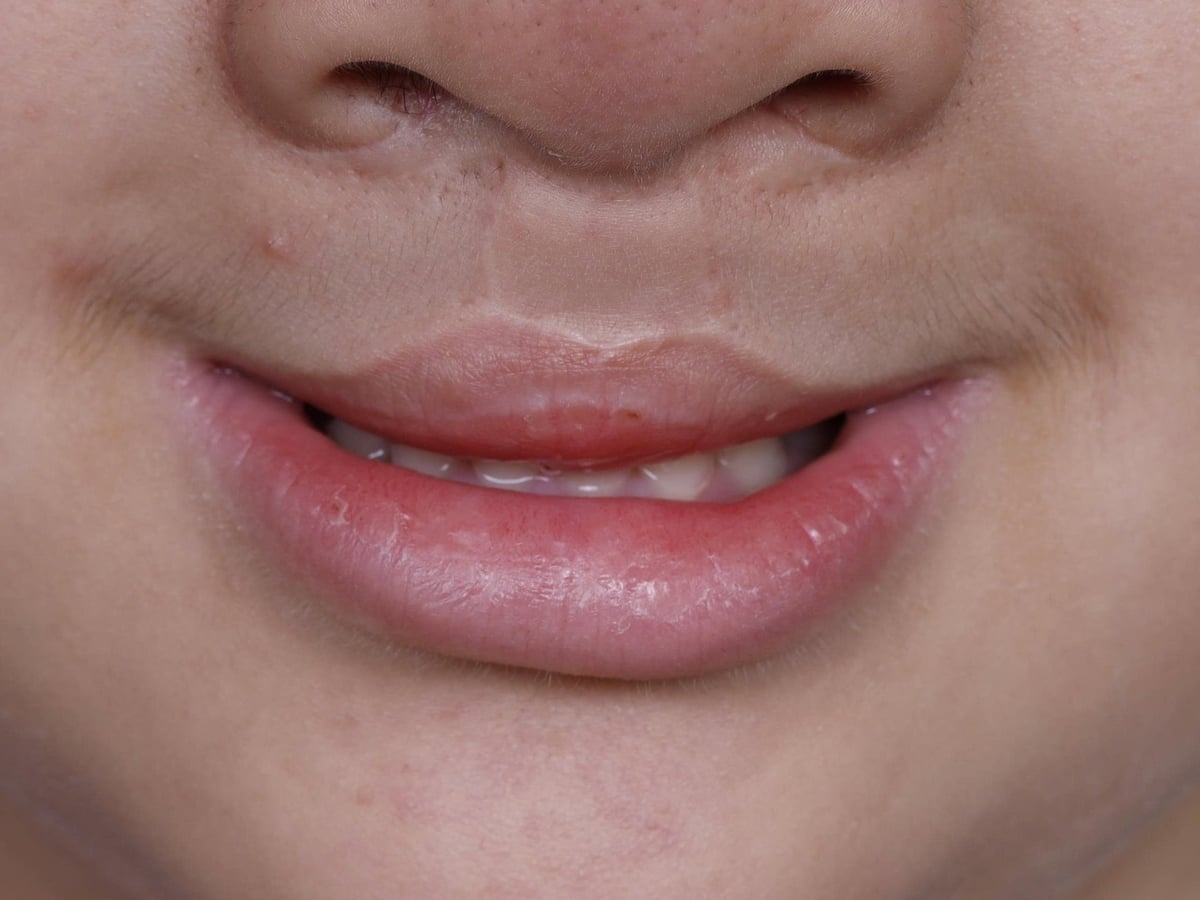
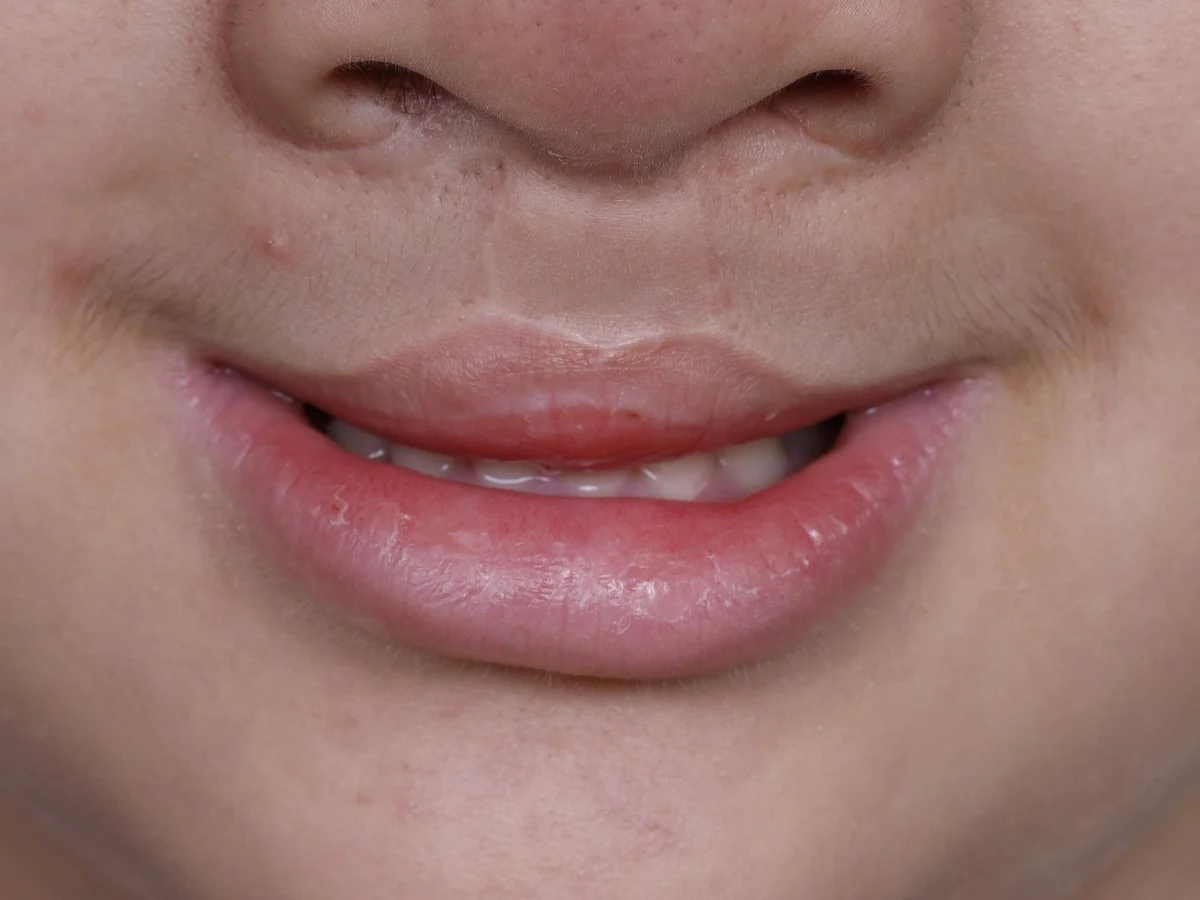
An image of a child’s lip area following cleft lip surgery, showing traces of the intervention on the upper lip. Photo: VTNN.
To achieve this process, the soft palate and pharyngeal walls work together to open and close the passage between the oral and nasal cavities. This mechanism can be likened to a biological valve that regulates airflow according to the sounds being produced.
In children with cleft palate, even after surgery, the velopharyngeal mechanism may not function effectively. When the velopharyngeal port fails to close completely during speech, some airflow escapes through the nose rather than being directed through the oral cavity, affecting speech quality.
Common signs include abnormally nasal-sounding speech, audible nasal air emission, and unclear articulation. Children may also have difficulty producing sounds that require oral air pressure, such as plosives and stops.
When children are unable to produce sounds correctly, some develop compensatory articulation patterns, shifting their place of articulation toward the back of the oral cavity or the pharyngeal region. If these patterns persist, they may become difficult to correct, even after the velopharyngeal structure has been improved.
However, not every case of hypernasal speech is caused by velopharyngeal dysfunction. Speech disorders may also be associated with learned articulation habits, other structural abnormalities, or accompanying ear, nose, and throat conditions. Therefore, a comprehensive assessment is essential before determining the appropriate intervention.
Families should pay attention if their children have started speaking in sentences but continue to exhibit pronounced hypernasality, frequently produce audible nasal air emissions, mispronounce multiple sounds, or are difficult for unfamiliar listeners to understand. Children who have undergone palate surgery or speech therapy but show limited progress should be evaluated at a specialized center.
From a clinical perspective, it is important to distinguish between structural abnormalities, impaired velopharyngeal closure, and errors resulting from learned compensatory articulation patterns. These conditions may occur simultaneously, but they do not necessarily require the same treatment approach.
If the primary cause is incorrect articulation habits, children may benefit from appropriate speech therapy. Conversely, when structural abnormalities or velopharyngeal dysfunction are present, speech practice alone may not be sufficient to correct nasal air escape.
Nasopharyngoscopy Helps Identify the Causes of Speech Disorders
One method currently used to assess velopharyngeal function is flexible nasopharyngoscopy performed through the nasal passage. This technique allows clinicians to directly observe the movements of the soft palate and pharyngeal walls while a child is speaking.
During the procedure, a flexible endoscope is inserted through the nose to visualize the velopharyngeal region from above. The child is guided to produce speech sounds, count, or repeat specific words and phrases so that the clinician can assess velopharyngeal closure under different speech conditions.
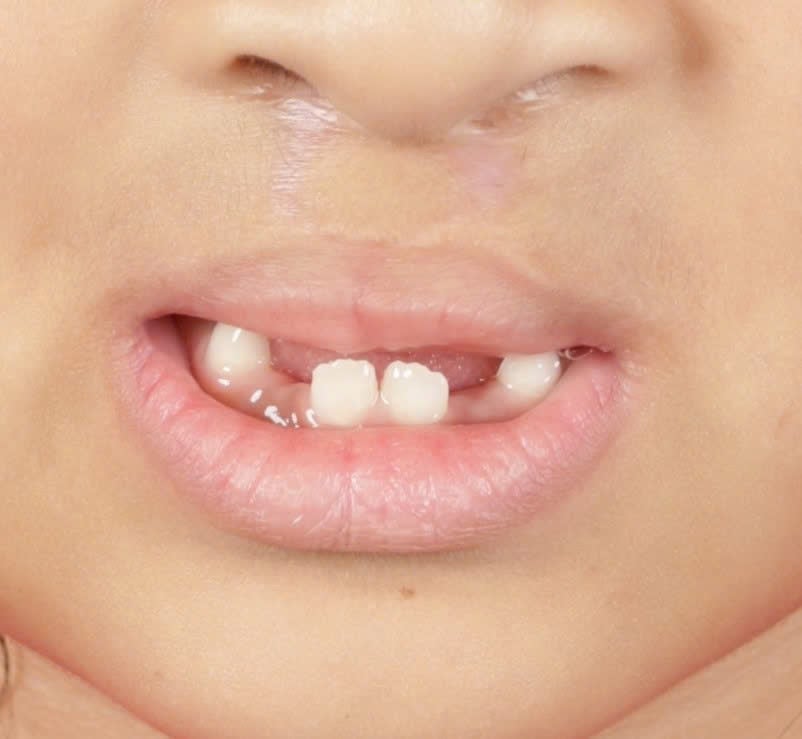
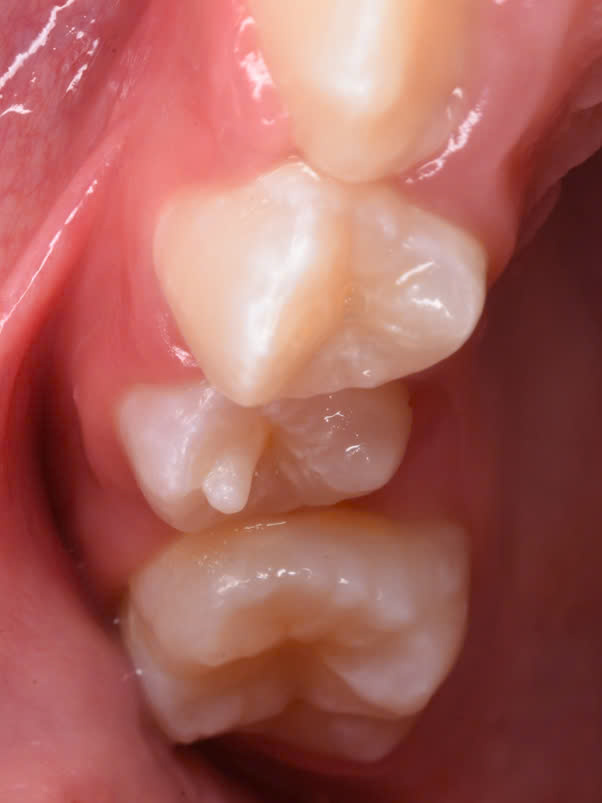
Nhu Ngoc Dental Clinic (image) Abnormal tooth positioning and dental arch development in children are among the factors that should be assessed as part of comprehensive oral and maxillofacial care and speech support. Photo: VTNN.
Unlike a routine clinical examination that primarily evaluates anatomical structures, nasopharyngoscopy makes it possible to observe velopharyngeal function in real time during speech production. Clinicians can assess whether the velopharyngeal port closes completely, identify the location and characteristics of any residual gap, and evaluate the movement of the soft palate and pharyngeal walls.
Endoscopic findings are combined with speech and language assessments and clinical examinations to clarify the underlying causes of speech disorders. This provides a basis for developing an individualized treatment plan rather than applying the same approach to every child.
Depending on the underlying cause and severity of the condition, treatment may include speech therapy, coordinated dental and maxillofacial care, orthodontic treatment, supportive appliances, or surgery when clinically indicated.
At the Unit for Oral and Maxillofacial Care for Patients with Cleft Lip and Palate, under the Institute of Odonto-Stomatology, Hanoi Medical University, flexible nasopharyngoscopy is used to support the diagnosis and monitoring of patients with suspected velopharyngeal insufficiency or dysfunction.
Combining clinical examinations, speech assessments, and velopharyngeal function evaluations provides the clinical team with additional evidence to select appropriate interventions and monitor changes throughout treatment.
Comprehensive Treatment to Help Children Speak Clearly and Communicate with Confidence
Treating speech disorders in children with cleft lip and palate involves more than simply encouraging them to speak more often or imitate adults’ pronunciation. For treatment to be effective, interventions must be based on the specific underlying cause, involve multiple specialties, and be monitored over an extended period.
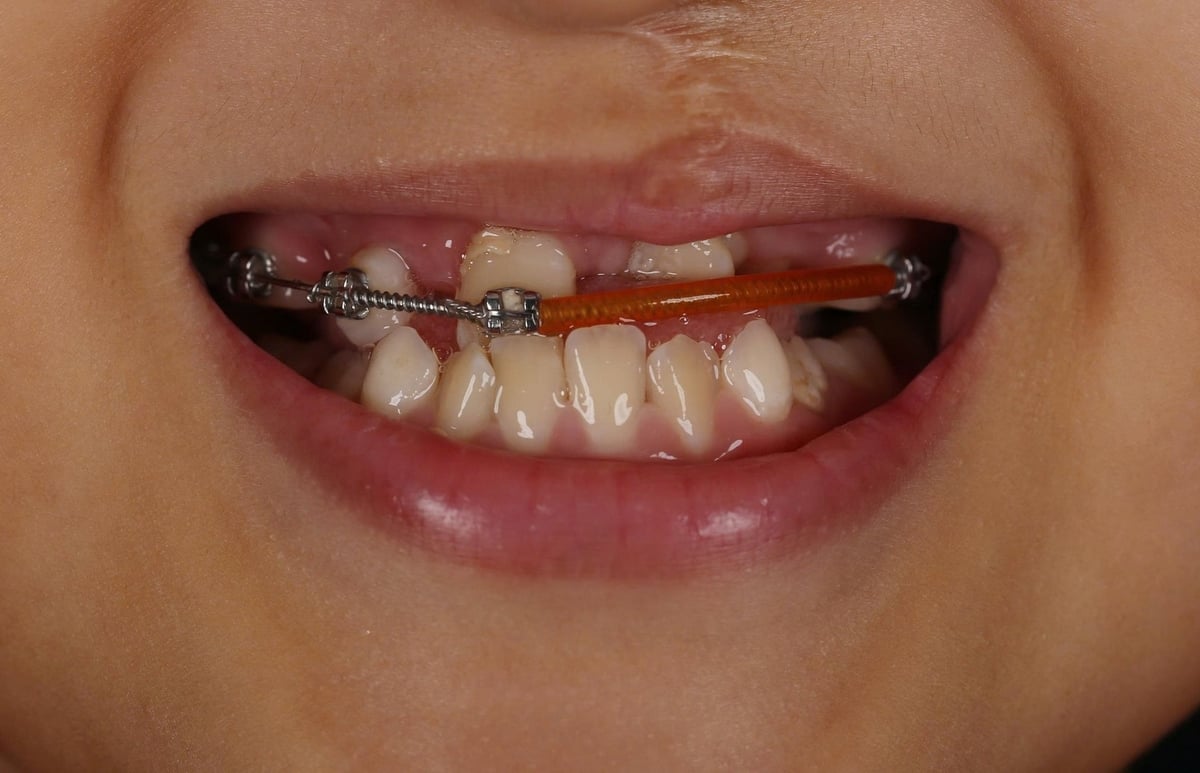
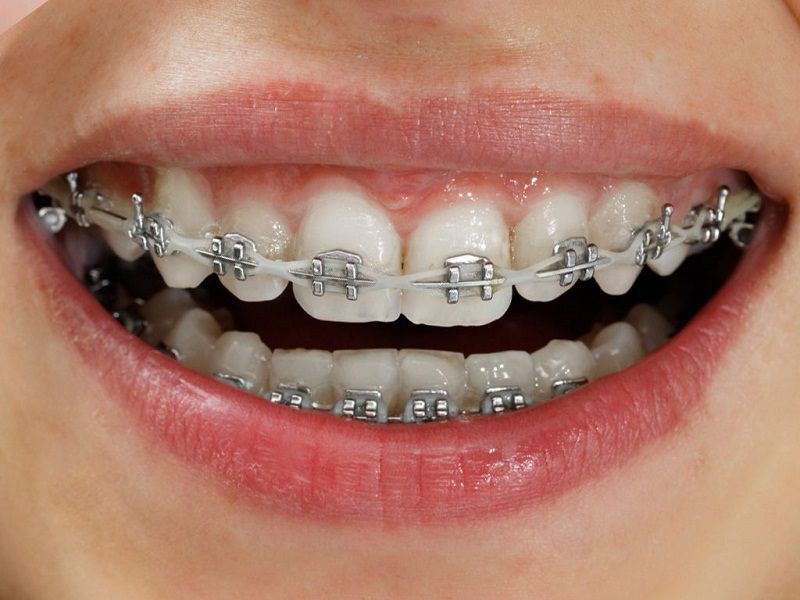
Orthodontic treatment helps adjust the position of teeth and dental arches, contributing to improved chewing function and supporting comprehensive care for children with cleft lip and palate. Photo: VTNN.
First, children need a comprehensive speech assessment to identify misarticulated sounds, the degree of hypernasality, nasal air emission, and compensatory articulation patterns. Specialists also evaluate the child’s hearing, imitation skills, and ability to control airflow to establish appropriate therapy goals.
Speech therapy focuses on correcting the place and manner of articulation, addressing compensatory articulation patterns, and teaching children to direct airflow appropriately during speech. Practice should follow specific goals and be adjusted according to each child’s progress.
In addition, the condition of the teeth, occlusion, dental arches, and jaw development must be taken into consideration. Abnormalities in these structures may affect speech production, chewing function, and craniofacial development. Therefore, dental treatment and orthodontic care at appropriate developmental stages are important components of comprehensive management.
Hearing is another essential factor. Children with cleft palate are at increased risk of middle ear problems and conductive hearing loss. When hearing is affected, they may have difficulty perceiving, distinguishing, and learning to produce speech sounds accurately.
For this reason, otolaryngological examinations and hearing assessments should be incorporated into the treatment process, particularly for children with delayed speech development or limited responses to speech therapy.
At multidisciplinary care centers, children can access coordinated treatment that combines dental care, orthodontics, speech assessment and therapy, and specialized investigations of velopharyngeal function when necessary.
The process typically begins with a clinical examination, speech assessment, multidisciplinary consultation, and the selection of appropriate diagnostic procedures. Once the underlying cause has been identified, clinicians establish a coordinated treatment plan, set goals for each stage, and schedule periodic reassessments.

Speech therapy for children at the Cleft Lip and Palate Care Unit – School of Odonto-Stomatology, Hanoi Medical University: multidisciplinary assessment, staged treatment, and long-term follow-up. Photo: VTNN.
Throughout this process, family involvement plays a crucial role. Parents should receive guidance on supporting their children’s home practice, monitoring changes in speech, and recognizing signs that require follow-up appointments. Exercises should be performed under professional guidance, without placing undue pressure on children or requiring them to repeatedly produce sounds that they cannot articulate correctly because of structural limitations.
Care for children with cleft lip and palate must continue throughout their developmental stages rather than ending immediately after surgery. As children grow, changes in their teeth, jawbones, hearing, and communication needs may require adjustments to their treatment plans.
Speech difficulties can affect not only children’s ability to express themselves but also their confidence in social interactions, participation in learning activities, and integration with peers. Therefore, psychological support and a positive communication environment are also important aspects of care.
Experts emphasize that early detection and accurate identification of the underlying cause are essential for selecting appropriate interventions. Not every child with hypernasal speech requires surgery, and not every speech disorder can be corrected through speech practice alone. The ultimate goal of comprehensive care is not only to improve speech intelligibility but also to help children communicate clearly, participate confidently in school and daily life, and gradually improve their quality of life.
Prof. Dr. Vo Truong Nhu Ngoc – Dr. Nguyen Minh Duc