

 21 September, 2026
Gingivitis is a very common oral health problem in children. However, many parents still have difficulty recognizing the early signs or are unsure about how to properly care for and prevent this condition in their children. This article will help parents better understand acute gingivitis in children, including its causes, symptoms, treatment, and prevention.
1. What is gingivitis?
Gingivitis is a condition in which the gums around the teeth become swollen, red, and prone to bleeding. It is mainly caused by bacteria in dental plaque. The term “acute gingivitis” is used when the condition develops suddenly and presents with noticeable symptoms.
2. Causes of gingivitis in children
Bacterial plaque: This is the most common cause. When children do not brush their teeth properly, plaque can accumulate along the gumline, allowing harmful bacteria to multiply and cause inflammation.
Teething: The gum tissue around newly erupting teeth may become swollen, red, and mildly painful during the eruption of baby teeth.
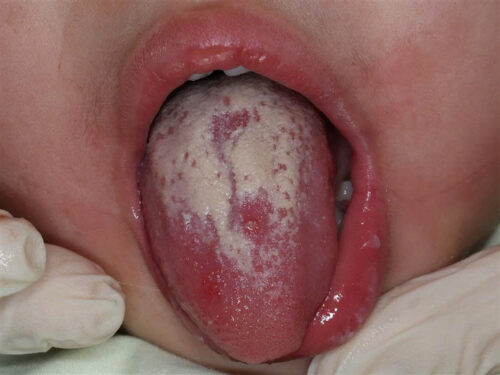
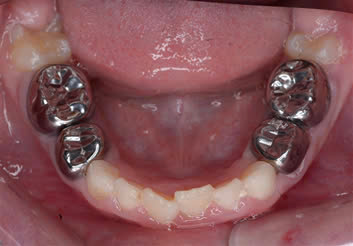
Acute gingivitis causes plaque accumulation on the tongue.
Herpes virus infection (HSV-1): Children aged 6 months to 5 years experiencing their first HSV-1 infection may develop painful ulcerative gingivitis, high fever, and extensive oral ulcers.
Trauma: Falls, impacts, biting hard objects, or improper tooth brushing can cause injury to the gums.
Systemic conditions: Children with diabetes, malnutrition, hematological disorders, or those taking medications such as phenytoin or cyclosporine may have a higher risk of developing gingivitis.
3. Signs of gingivitis
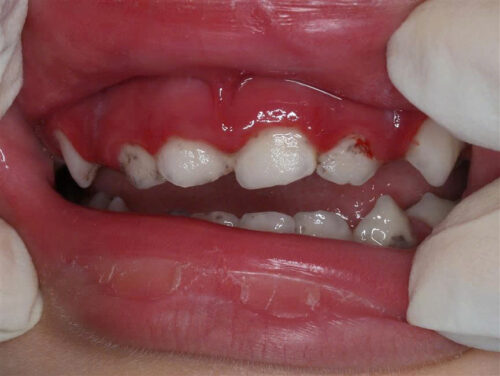
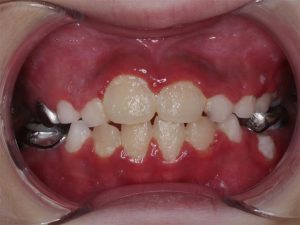
The gums are swollen, edematous, and inflamed.
Red and swollen gums that appear more inflamed than usual
Bleeding easily when brushing or eating
Bad breath
The child may complain of pain or refuse to eat (in more severe cases)
4. Gingivitis by age group
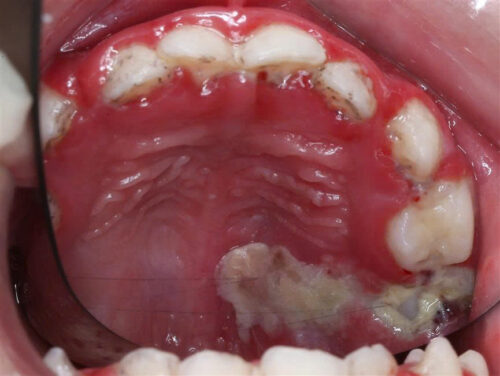
Areas of inflammation make eating and drinking uncomfortable for the child.
0–2 years: Gingivitis is less common and is usually associated with teething or primary herpes infection.
3–5 years: By this age, children have a full set of baby teeth and may frequently consume sugary foods while still having difficulty brushing properly, making plaque-related gingivitis more likely to develop.
6–12 years: Gingivitis is very common due to the mixed dentition stage. Newly erupting teeth can be difficult to clean, while dietary habits and gradual hormonal changes may also contribute to gum inflammation.
5. What happens if gingivitis is left untreated?
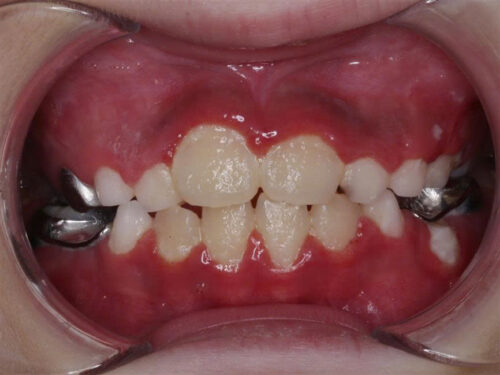
The tooth enamel also becomes weaker, more porous, and rougher.
Chronic gingivitis, with gums that bleed easily and become aesthetically affected
Progression to periodontal disease, which may cause teeth to become loose
Formation of abscesses, oral ulcers, or the spread of infection
Pain, difficulty maintaining oral hygiene, poor eating habits, and weight loss in children
6. What should parents do when their child has gingivitis?
Ensure proper oral hygiene: Brush the child’s teeth at least twice a day with fluoride toothpaste and teach them proper brushing techniques. Parents should also brush their child’s teeth again or assist with brushing for children under 8 years old.
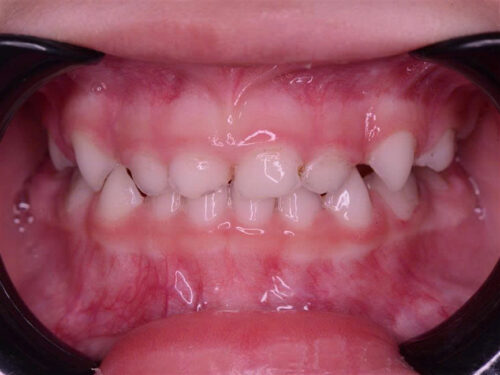
After treatment – gums return to a healthy pink color.
Rinse the mouth with diluted salt water (0.9%) twice a day when the gums are swollen and red.
Reduce sugary foods and sweetened beverages, and avoid hard foods while the gums are inflamed.
Have regular dental check-ups every 6 months or whenever the child develops unusual symptoms, such as bleeding gums.
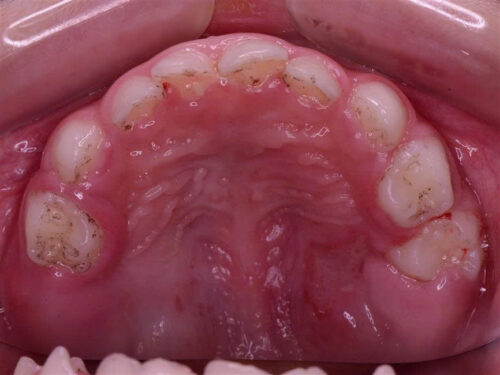
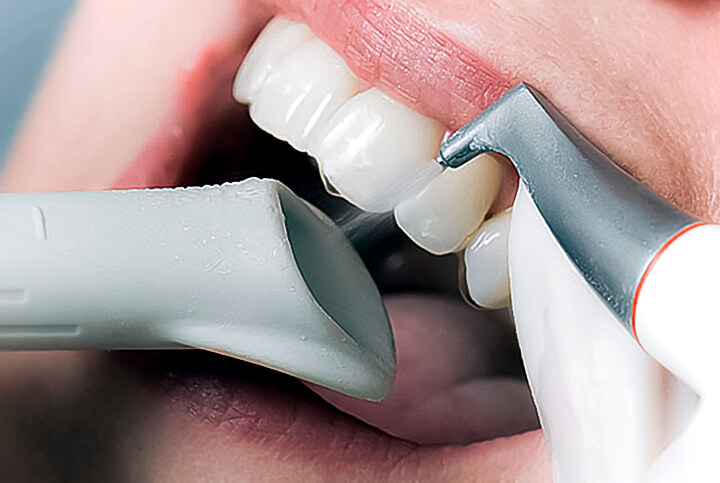
Inflamed tissues are removed.
Pain relievers and fever reducers (Paracetamol, Ibuprofen) may be used temporarily as directed if the child has a fever or significant pain.
Antibiotics or topical medications should only be used when prescribed by a dentist or doctor, particularly in cases of viral gingivitis, necrotizing gingivitis, or other specific conditions.
7. How to prevent gingivitis in children
Teach children to brush their teeth from an early age and maintain good oral hygiene regularly.
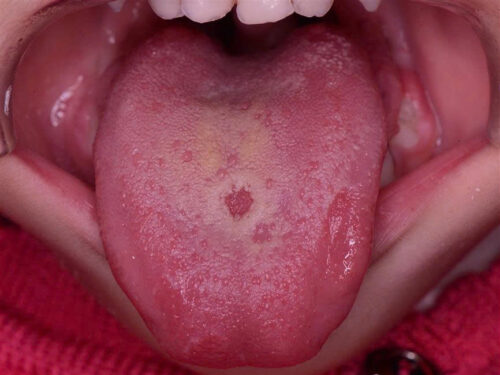
A healthy tongue surface – the baby chews and eats well.
Limit sugary foods and soft drinks, and provide a balanced, nutritious diet.
Schedule regular dental check-ups every 6 months.
Encourage children to maintain good oral hygiene and remind them to brush their teeth every evening.
Although gingivitis is not usually an immediate serious health concern, it can lead to long-term consequences if not properly managed. Parents should support and guide their children in maintaining good oral hygiene so they can always feel confident with a healthy smile!