

 8 June, 2026
Root canal treatment (or tooth pulp removal) is often a nightmare for many people due to the fear of pain. However, understanding the “heart” of your tooth will help you have a calmer perspective and make the right decision to save your natural tooth.
1. What is dental pulp? (Not “living pulp”)
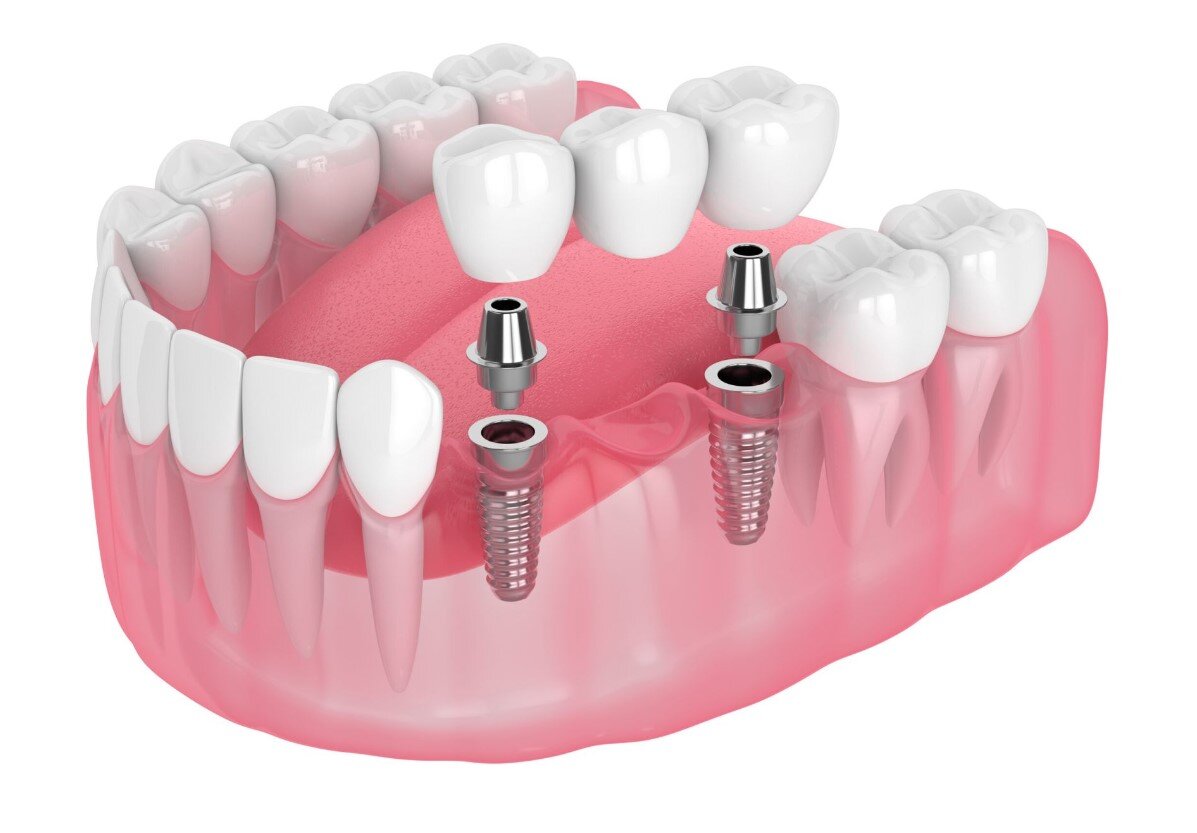
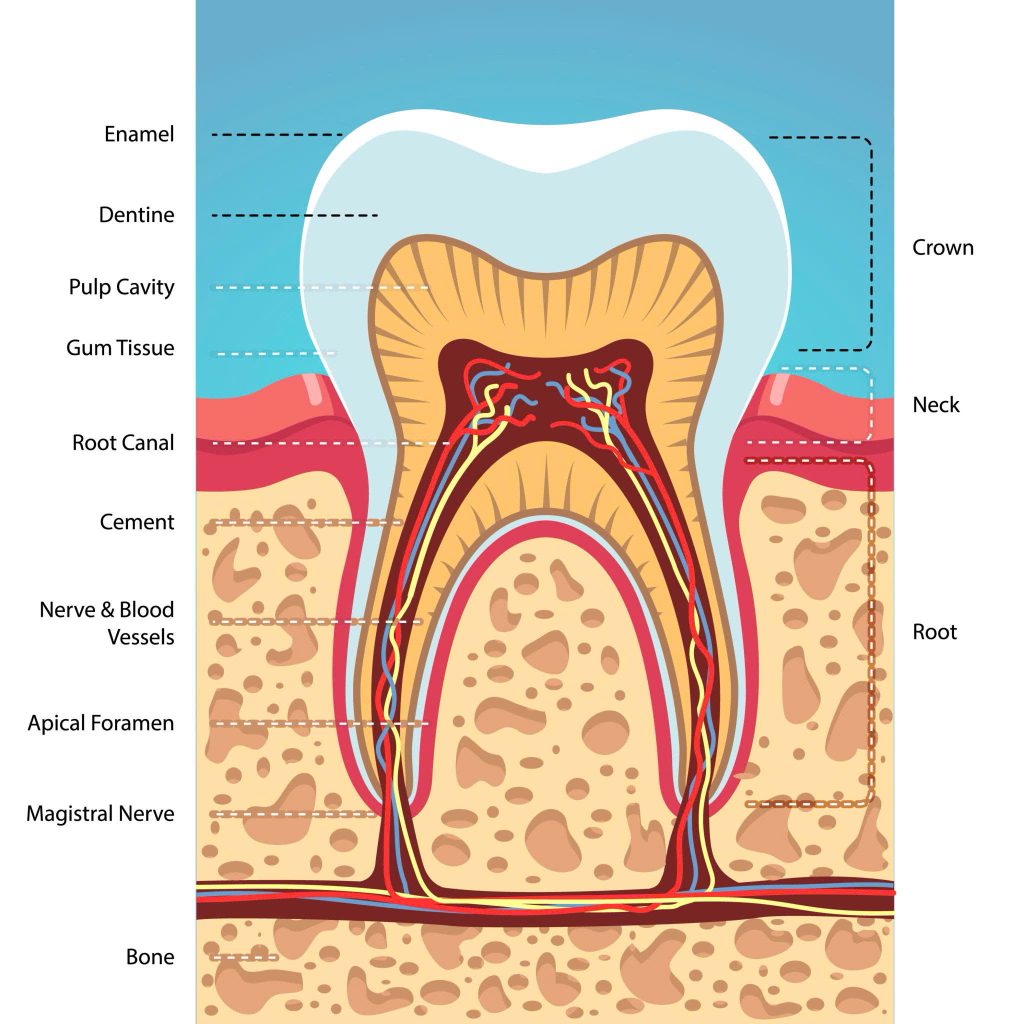
First, it’s necessary to clarify a common misconception: Dental pulp is completely different from living pulp. Dental pulp is a special connective tissue containing blood vessels and nerves, located in a hollow space between the crown (pulp chamber) and the root (root canal).
Function: Nourishes the tooth and transmits sensations (heat, cold, pain, sensitivity).
Protective structure: The pulp is surrounded by a layer of hard dentin and enamel. When this protective layer is broken (due to cavities or trauma), the pulp is attacked and becomes inflamed.
Dưới đây là bản dịch chuẩn xác, sử dụng thuật ngữ chuyên ngành nha khoa (Endodontics) tự nhiên và chuyên nghiệp bằng tiếng Anh:
2. Reversible Pulpitis and Irreversible Pulpitis
Not every case of pulp inflammation requires a “root canal” (pulp extirpation). Dentists usually classify the condition based on the pulp’s ability to heal itself:
2.1. Reversible Pulpitis
This is the mildest stage. You typically feel a sharp pain or sensitivity when eating sweets, or very hot or cold foods. The pain lasts for only a few seconds and then disappears.
-
Treatment: At this stage, if the underlying cause is removed (for example, by filling the cavity), the pulp can recover on its own, and a root canal is not necessary.
2.2. Irreversible Pulpitis
When bacteria have penetrated deeply, the inflammation becomes severe. Typical symptoms include spontaneous pain (pain that occurs even when you are not eating or drinking), intense pain at night, or pain radiating up to the temple.
-
Treatment: At this point, the pulp has suffered permanent damage and has begun to necrose (die). The dentist is required to completely remove the inflamed pulp, clean the root canals, and seal them to prevent the infection from spreading down into the jawbone.
3. Does It Always Have to “Hurt” to Need a Root Canal?
The answer is NO. This is a common misconception that causes many people to regrettably lose their teeth.
There are cases where the pulp has “died silently”:
-
Pulpal Necrosis (Dead Pulp): The tooth pulp gradually dies due to bacteria or trauma without causing acute pain. However, it creates an infection (abscess) at the root apex, which can cause facial swelling or a pus-draining fistula later on.
-
Leaking Old Dental Crowns: Bacteria creep underneath the old crown, causing recurrent decay and killing the pulp inside without your knowledge, until the tooth becomes loose.
-
Long-standing Trauma: An impact from many years ago can sever the blood vessels supplying the pulp, causing the tooth to discolor (turn gray or black) even though there is no pain.
4. Don’t Wait Until It Hurts to See a Dentist
By the time you feel severe pain, it means the infection has reached an alarming level. Delaying treatment carries many risks:
-
Risk of Tooth Loss: The infection spreads and causes alveolar bone resorption (bone loss), leaving the tooth with no support, which ultimately requires extraction.
-
Systemic Complications: Bacteria from the root infection can enter the bloodstream, potentially affecting your sinuses, cardiovascular system, or respiratory tract.
-
Exorbitant Costs: Saving a severely inflamed tooth is much more difficult and costly than getting a cavity filled right from the start.
-
Advice: Visit your dentist for regular check-ups every 6 months. Dentists use X-rays to detect hidden infections deep under the tooth roots even before you feel any pain.