

 21 July, 2026
What Is Root Canal Calcification?
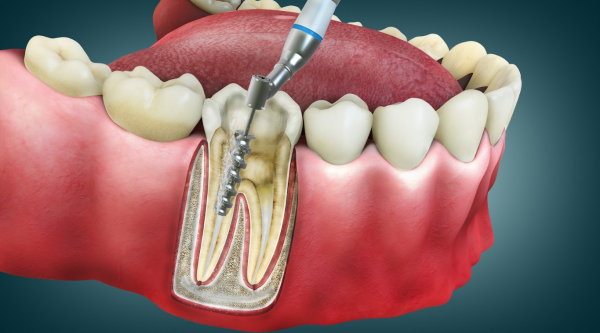
Root canal treatment. Image source: Internet.
Root canal calcification is a condition in which the pulp canal becomes narrowed or completely obstructed due to the formation of secondary dentin. This is a natural protective response of the tooth against aging, long-term irritation, trauma, or previous inflammation.
As calcification progresses, locating and accessing the root canal system becomes significantly more difficult, making endodontic treatment technically demanding. Successful management requires advanced clinical expertise and modern dental technologies.
What Causes Root Canal Calcification?
Calcification may occur in any tooth but is more commonly associated with the following conditions:
- Deep dental caries or long-standing pulp inflammation
- Previous dental trauma or injury
- Teeth that have undergone prior dental procedures
- Natural aging of the dental pulp
- Chronic occlusal trauma or excessive tooth wear
In many cases, pulp canal calcification develops gradually without noticeable symptoms and is only detected during radiographic examination or when root canal treatment becomes necessary.
Why Is Root Canal Treatment More Challenging in Calcified Teeth?
Unlike conventional root canal therapy, treating calcified canals requires the clinician to identify canal orifices that are partially or completely hidden beneath newly formed dentin.
Without precise canal localization, several complications may occur, including:
- Pulp chamber floor perforation
- Root perforation
- Canal transportation
- Ledge formation
- Instrument separation
- Reduced long-term prognosis for tooth preservation
For this reason, calcified root canals should be managed by experienced endodontists using specialized equipment and evidence-based treatment protocols.
Modern Technologies That Improve Treatment Success
Dental Operating Microscope
The dental operating microscope provides high magnification and enhanced illumination, allowing clinicians to visualize fine anatomical details within the pulp chamber.
This significantly improves the accuracy of locating calcified canal orifices while minimizing unnecessary removal of healthy tooth structure.
Ultrasonic Endodontic Instruments
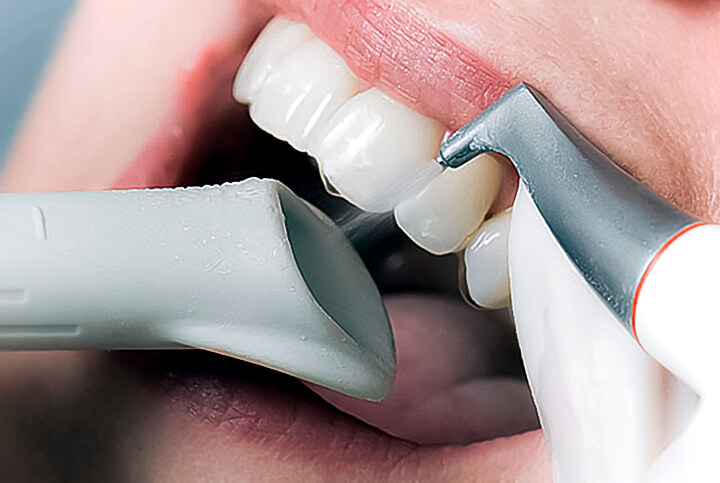
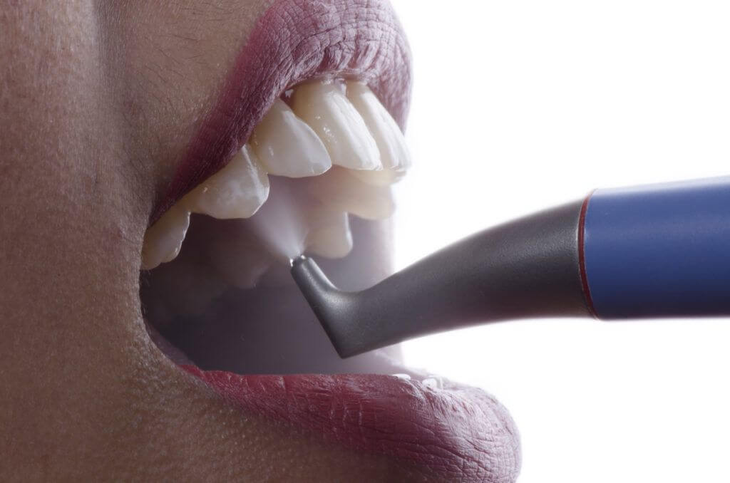
Specialized ultrasonic tips enable precise and conservative removal of calcified dentin, creating a safer pathway into the root canal while preserving surrounding tooth structure.
Compared with conventional techniques, ultrasonic instrumentation offers greater precision and reduced procedural risks.
Cone Beam Computed Tomography (CBCT)
Cone Beam CT (CBCT) has become an indispensable diagnostic tool for complex endodontic cases.
Three-dimensional imaging allows clinicians to evaluate:
- Root length
- Canal curvature
- Number of root canals
- Degree of canal calcification
- Periapical lesions and surrounding bone structures
Comprehensive CBCT assessment improves treatment planning, enhances clinical accuracy, and helps minimize procedural complications.
Nickel-Titanium (NiTi) Rotary Instruments
Modern Nickel-Titanium rotary files offer exceptional flexibility and fatigue resistance, making them ideal for navigating narrow, curved, and calcified canals.
Their advantages include:
- Reduced risk of instrument fracture
- Lower incidence of ledge formation
- More efficient canal cleaning
- Maximum preservation of healthy dentin
These advanced rotary systems contribute significantly to predictable long-term treatment outcomes.
Early Diagnosis Is the Key to Saving Natural Teeth
The combination of experienced endodontic specialists and advanced technologies has dramatically improved the success rate of treating calcified root canals.
A well-planned treatment approach helps:
- Eliminate infected pulp tissue completely
- Thoroughly disinfect the root canal system
- Reduce treatment-related complications
- Extend the lifespan of natural teeth
- Avoid unnecessary tooth extraction whenever possible
Modern dentistry prioritizes preserving natural teeth because no artificial restoration can fully replicate the function, strength, and biological value of a healthy natural tooth.
When Should You Visit an Endodontist?
You should schedule a dental examination if you experience any of the following:
- Persistent toothache
- Sensitivity to hot or cold foods and beverages
- Tooth discoloration after trauma
- Continued discomfort following previous root canal treatment
- A diagnosis of root canal calcification on X-rays or CBCT imaging
Early diagnosis enables timely intervention and increases the likelihood of preserving your natural tooth.
Root Canal Treatment for Calcified Teeth at Nhu Ngoc Dental Clinic
At Nhu Ngoc Dental Clinic, complex endodontic cases are managed through comprehensive diagnosis and advanced treatment technologies, including:
- Dental operating microscope for precise canal localization
- Cone Beam CT (CBCT) for three-dimensional assessment
- Ultrasonic endodontic instruments for conservative calcification removal
- Modern Nickel-Titanium rotary systems for effective canal preparation
Our goal is to provide safe, predictable, and minimally invasive treatment while preserving your natural teeth whenever possible.
Conclusion
Root canal calcification does not necessarily mean a tooth must be extracted. With advances in modern endodontics and state-of-the-art technology, many teeth once considered untreatable can now be successfully preserved.
If you or a loved one experiences persistent tooth pain, has been diagnosed with calcified root canals, or continues to experience symptoms after previous root canal treatment, seek professional evaluation as early as possible.
Preserving your natural teeth means preserving your oral health, chewing function, and long-term quality of life.