

 11 June, 2026
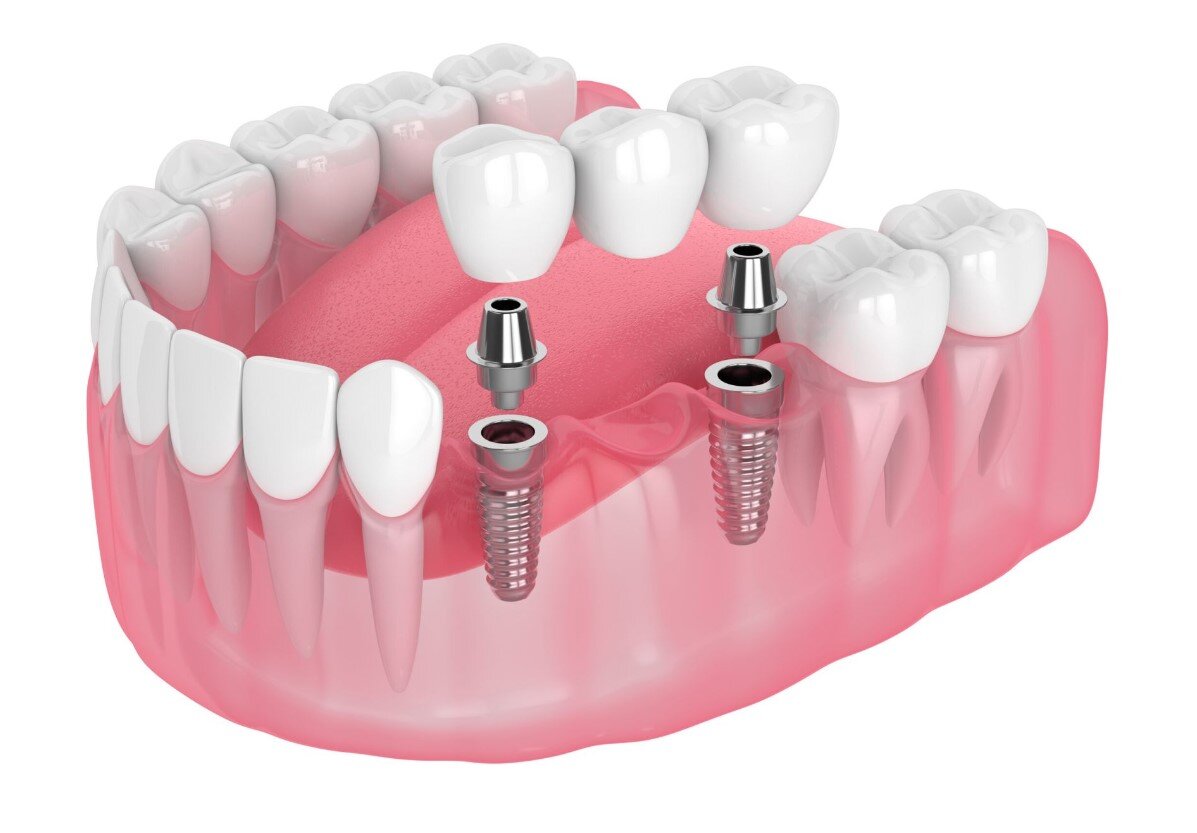
Dental implants are often considered the gold standard for replacing missing teeth. However, not every missing first molar (#6) requires implant placement. In selected orthodontic cases, space closure can be achieved by moving the second molar (#7) forward and utilizing the third molar (#8, wisdom tooth) as a functional replacement.
This biological approach allows patients to restore their dental arch using their own natural teeth while maintaining long-term function and periodontal health.
Why Is the First Molar So Important?
The first molar is usually the first permanent tooth to erupt, appearing around the age of six. It plays a critical role in chewing efficiency and bears significant occlusal forces throughout life.
Due to its early eruption and continuous function, the first molar is highly susceptible to:
- Extensive dental decay
- Pulp infection
- Structural damage
- Early tooth loss
When this tooth is lost, a series of secondary complications may occur if treatment is delayed.
Consequences of Losing a First Molar
A missing first molar may lead to:
- Mesial tipping of the second molar
- Supra-eruption of opposing teeth
- Alveolar bone loss
- Occlusal imbalance
- Reduced chewing efficiency
- Midline discrepancies
Therefore, treatment planning should consider not only tooth replacement but also overall orthodontic and functional relationships.
Can Teeth #7 and #8 Replace a Missing First Molar?
The answer is yes—in carefully selected cases.
Step 1: Move Tooth #7 Forward
Orthodontic mechanics are used to move the second molar into the position previously occupied by the missing first molar.
Step 2: Utilize Tooth #8
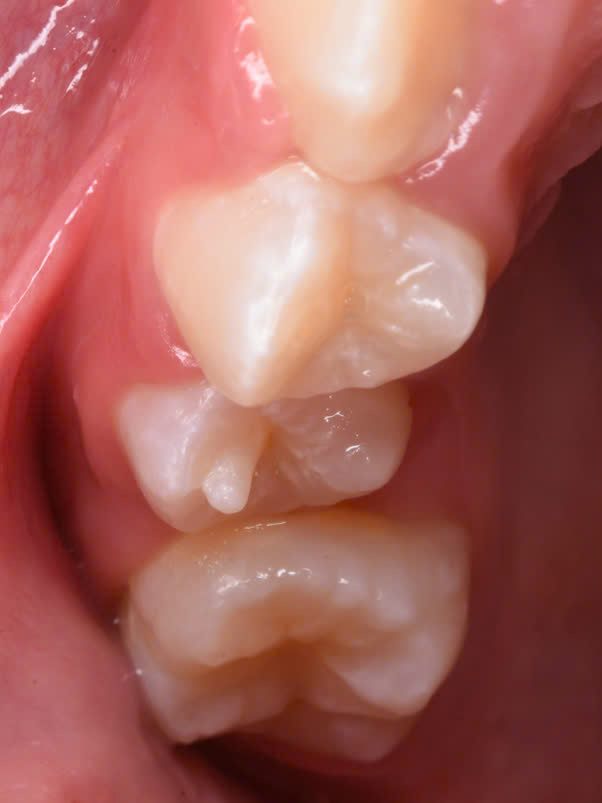
Once tooth #7 has moved forward, the wisdom tooth may erupt naturally or be orthodontically guided into the position of the second molar.
Successful treatment can restore a continuous dental arch without the need for a dental implant.
Advantages of Orthodontic Space Closure
Preservation of Natural Teeth
Patients maintain their own natural dentition rather than relying on artificial restorations.
Maintenance of Periodontal Ligament Function
Unlike implants, natural teeth retain a periodontal ligament that provides:
- Bite force sensation
- Functional adaptation
- Physiological tooth support
Improved Bone Preservation
Orthodontic tooth movement can stimulate alveolar bone remodeling and help minimize bone loss in the edentulous area.
Avoidance of Implant Surgery
Patients may avoid implant placement, bone grafting procedures, and related surgical interventions.
Who Is a Good Candidate?
Successful space closure depends on several factors:
Patient Age
Younger patients generally demonstrate more favorable biological responses and tooth movement.
Alveolar Bone Condition
Adequate bone volume is essential for efficient molar protraction.
Position of Tooth #7
The second molar must have a favorable periodontal and structural prognosis.
Condition of Tooth #8
A wisdom tooth can be an excellent replacement if it has:
- Favorable eruption direction
- Appropriate size and morphology
- Healthy root development
- Adequate bone support
Challenges of This Treatment
Closing a first molar extraction space is a complex orthodontic procedure requiring precise control of:
- Anchorage
- Tooth angulation
- Root torque
- Occlusal plane
- Bite relationships
Temporary anchorage devices (TADs or mini-screws) are often used to improve treatment efficiency and control.
Orthodontic Space Closure vs. Dental Implants
Both options have advantages and limitations.
Orthodontic Space Closure
Benefits:
- Preserves natural teeth
- No surgical procedure
- Maintains periodontal function
- Promotes bone preservation
Limitations:
- Longer treatment duration
- Requires patient cooperation
- Not suitable for all cases
Dental Implants
Benefits:
- Faster replacement of missing teeth
- No need to move adjacent teeth
Limitations:
- Surgical procedure required
- Higher cost
- Possible need for bone grafting
Final Thoughts
A missing first molar does not automatically mean a dental implant is necessary. In carefully selected patients, orthodontic space closure using the second and third molars can provide a highly biological and long-lasting solution.
Early consultation with an orthodontist is essential to determine whether orthodontic space closure or implant restoration is the most appropriate treatment option for your specific situation.