

 25 June, 2026
Congenital Missing Teeth in Children: What Parents Need to Know
Congenital missing teeth is a condition where one or more teeth fail to form right from the embryonic developmental stage. This is a relatively common dental developmental anomaly in children. If not properly detected and monitored, it can have long-term impacts on chewing function, speech, facial aesthetics, and occlusal (bite) development.
Many parents only discover the condition when their child experiences delayed tooth eruption or when teeth do not exfoliate (fall out) and replace at the right time. However, early recognition is crucial for developing an appropriate treatment plan and minimizing future complications.
1. What are Congenital Missing Teeth?
Congenital missing teeth (congenital tooth agenesis) is a condition where the tooth germ fails to form, meaning the tooth will not erupt into the mouth.
This condition can occur in:
-
Primary (milk) teeth.
-
Permanent teeth.
-
A single tooth or multiple teeth.
Depending on the number of missing teeth (excluding wisdom teeth), it is classified into:
-
Hypodontia: Missing 1 to 5 teeth.
-
Oligodontia: Missing 6 or more teeth.
-
Anodontia: The complete absence of all teeth, which is extremely rare.
In clinical practice, congenital agenesis of permanent teeth is much more common than that of primary teeth.
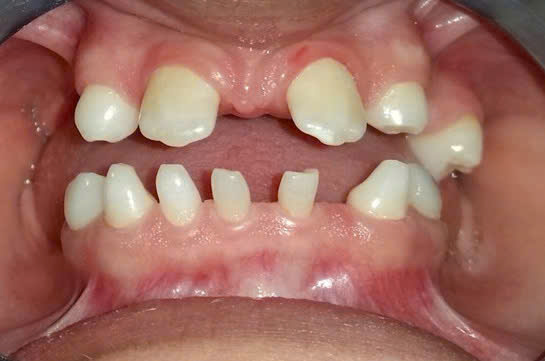
2. Most Commonly Missing Teeth
The teeth most frequently affected by congenital agenesis include:
-
Maxillary lateral incisors (upper side front teeth).
-
Second premolars (bicuspids).
-
Mandibular incisors (lower front teeth).
-
Wisdom teeth (third morals).
Among Vietnamese and Asian children, the combination of missing maxillary lateral incisors and second premolars is the most common presentation.
3. Causes of Congenital Missing Teeth
3.1. Genetic Factors
This is the most significant cause. Numerous studies show that missing teeth can run in families and are linked to specific genes that control tooth formation, such as:
-
MSX1
-
PAX9
-
AXIN2
If parents have a history of congenitally missing teeth, their children are at a much higher risk of experiencing the same condition.
3.2. Systemic Syndromes
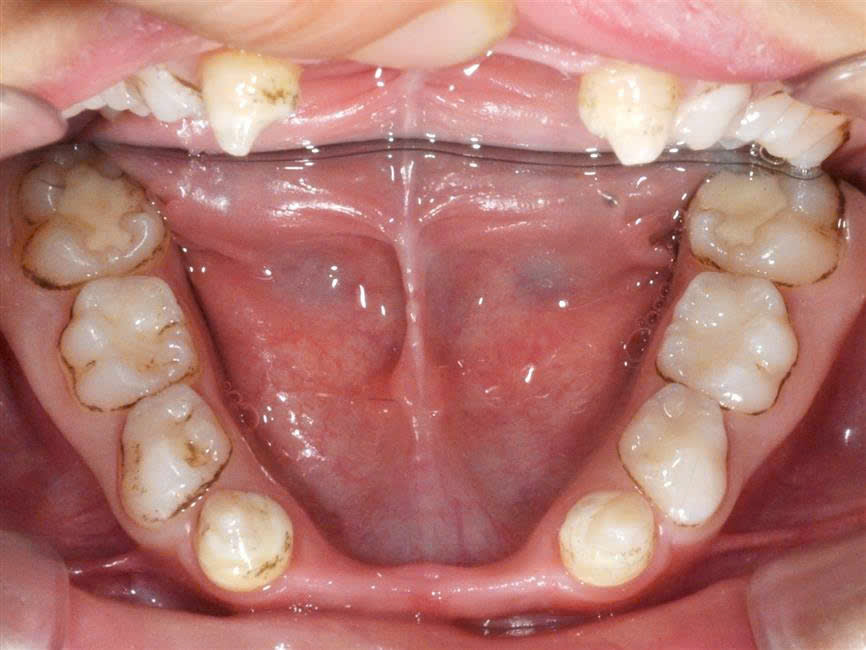
Children missing a large number of teeth may have an underlying congenital syndrome, such as:
-
Ectodermal dysplasia.
-
Down syndrome.
-
Cleft lip and palate.
3.3. Other Factors
Certain environmental factors during pregnancy or early infancy can disrupt the development of the tooth germ:
-
Infections.
-
Endocrine disorders.
-
Early exposure to chemotherapy or radiation therapy.
-
Maxillofacial trauma.
4. Warning Signs Parents Should Watch For
Parents should take their child to the dentist if they notice any of the following signs:
-
Unusually delayed tooth eruption.
-
Reaching the age of tooth replacement but the permanent tooth fails to appear.
-
Persistent, wide gaps between teeth.
-
Prolonged retention of primary teeth (baby teeth staying in place for too long).
-
Asymmetry in tooth eruption or spacing between the left and right sides of the dental arch.
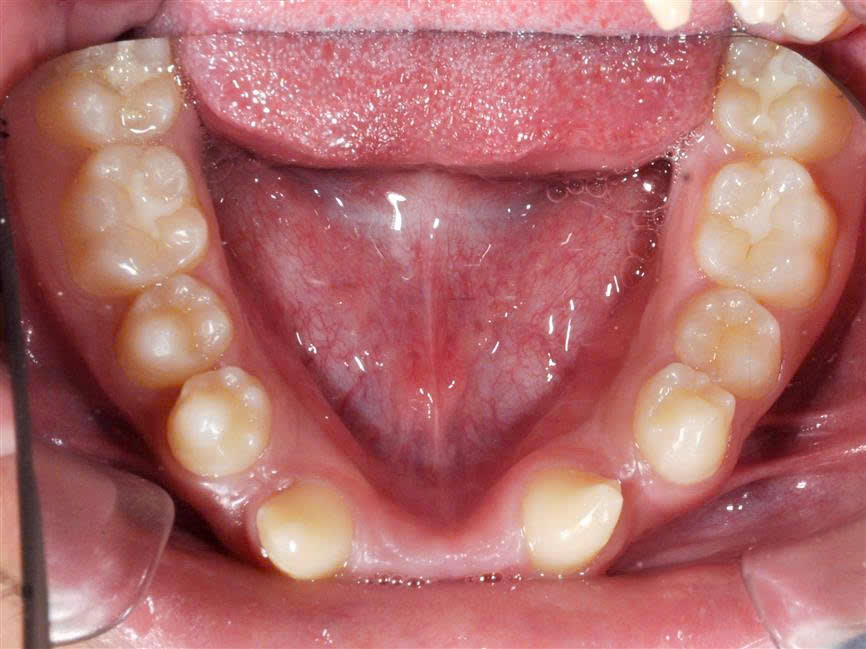
In many cases, children experience absolutely no pain or discomfort, making the condition very easy to overlook.
5. How Do Congenital Missing Teeth Affect a Child?
5.1. Impact on Chewing Function
Missing teeth reduce chewing efficiency, making it difficult to grind food properly, which may lead the child to chew on only one side.
5.2. Impact on Speech
Especially when front teeth (incisors) are missing, children may struggle to clearly pronounce certain sounds, such as “s”, “x”, or “ch”.
5.3. Aesthetic and Psychological Impacts
Gaps caused by missing teeth in the anterior (front) region can cause children to:
-
Lose self-confidence.
-
Become hesitant to smile.
-
Experience difficulties in social interactions.
5.4. Impact on Occlusal (Bite) Development
If left unmonitored:
-
Adjacent teeth may tilt or drift into the empty space.
-
Opposing teeth may over-erupt (grow longer into the gap).
-
The dental arch can narrow, leading to loss of space.
-
This can result in complex malocclusions (misaligned bites) later in life.
6. Diagnosis of Congenital Missing Teeth
Dentists typically diagnose the condition by combining:
-
Clinical examination.
-
Monitoring the timeline of tooth eruption.
-
Panoramic X-rays (Panorama).
An X-ray is essential to accurately determine:
-
Whether a permanent tooth germ is truly absent or just delayed.
-
The position and eruption path of existing teeth.
-
Any other associated dental anomalies.
Generally, many cases of missing permanent teeth can be clearly detected starting around 6 to 7 years old.
7. Treatment for Congenital Missing Teeth
Treatment depends on the number of missing teeth, the location of the gap, the child’s age, and their current bite status. Common treatment approaches include:
-
Long-term Monitoring and Retention of Primary Teeth: If the retained baby tooth has a healthy root and crown, the doctor may choose to keep it to maintain chewing function and preserve the space in the dental arch.
-
Orthodontics (Braces/Clear Aligners): Orthodontic treatment can help close the missing space by realigning the teeth, or open/re-organize the space to prepare for future prosthetic restorations.
-
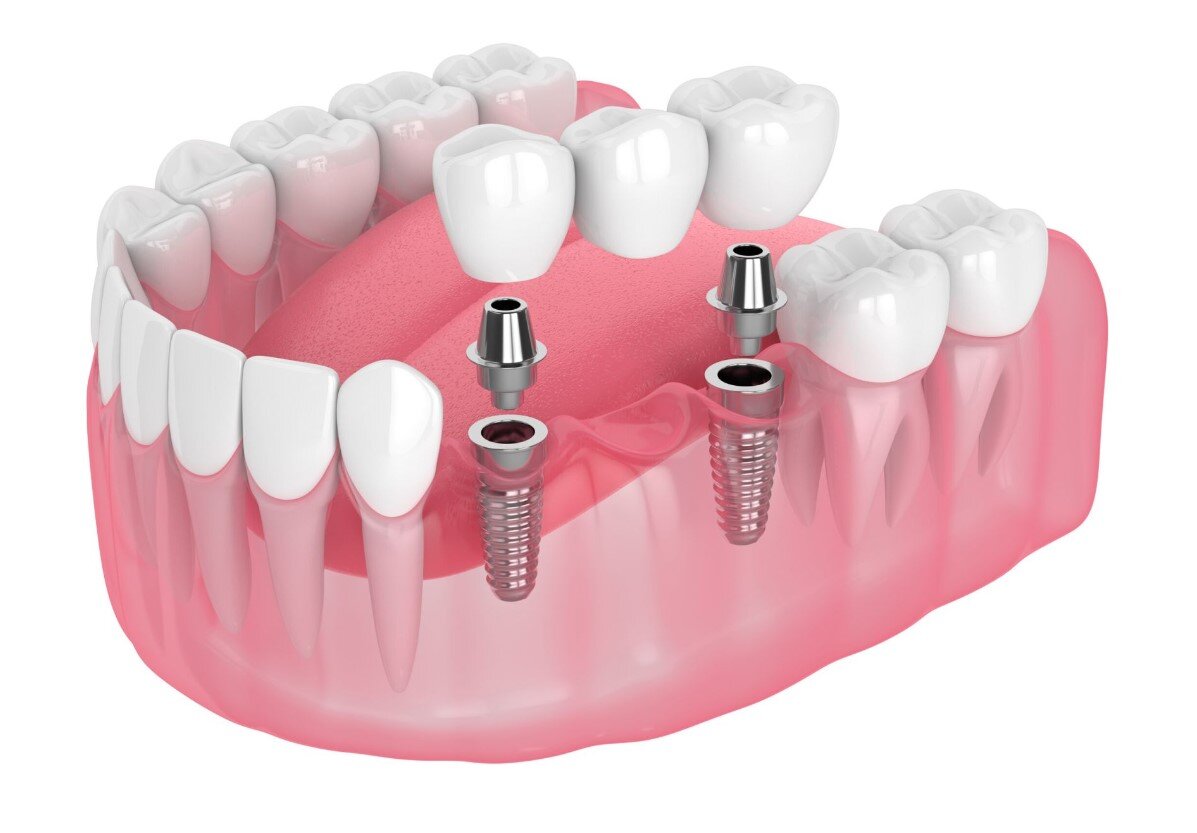
Prosthetic Restorations: Once the child is older, options can include:
-
Removable partial dentures.
-
Dental bridges.
-
Dental Implants: Implants are typically only performed when the jawbone has fully developed and matured (usually after 18 years of age).
-
8. The Crucial Role of Early Detection
Detecting the condition early allows for:
-
Timely monitoring and guidance of dental arch and jaw development.
-
Prevention of space loss caused by shifting teeth.
-
A reduced need for highly complex, invasive treatments in adulthood.
-
Preservation of the child’s facial aesthetics and psychological well-being.
-
A well-coordinated, comprehensive, interdisciplinary treatment plan.
Regular dental check-ups starting at an early age, especially during the crucial transitional mixed dentition stage (ages 6 to 12), are highly recommended.
Conclusion
Congenital missing teeth is a relatively common developmental dental anomaly, yet it is frequently diagnosed late. This condition affects not only facial aesthetics but also impacts chewing efficiency, speech clarity, and a child’s overall bite development. Parents should remain vigilant for signs of delayed eruption or abnormal tooth replacement, and schedule routine dental visits for early diagnosis and proper management. Timely intervention ensures the child has the best opportunity to achieve optimal dental function and aesthetics in the future.
Nha Khoa Như Ngọc (Nhu Ngoc Dental Clinic)