

 17 June, 2026
Pit and Fissure Sealants: A Protective Shield Against Tooth Decay for Your Child’s Smile at Nhu Ngoc Dental Clinic
Have you ever wondered, “Why does my child brush their teeth every day, yet tiny black spots or dark lines still appear on the chewing surfaces of their molars?” The truth is that up to 90% of childhood cavities begin in the pits and fissures of the chewing surfaces of molars.
To effectively prevent this problem, the American Dental Association (ADA) recommends pit and fissure sealants as one of the most effective preventive treatments. Join Nhu Ngoc Dental Clinic to learn more about this painless, safe, and highly effective solution for protecting your child’s teeth.
1. Why Do Cavities Commonly Develop in Pits and Fissures?
Molars play the primary role in chewing food. Their chewing surfaces are not flat but are naturally covered with numerous deep pits and narrow grooves.
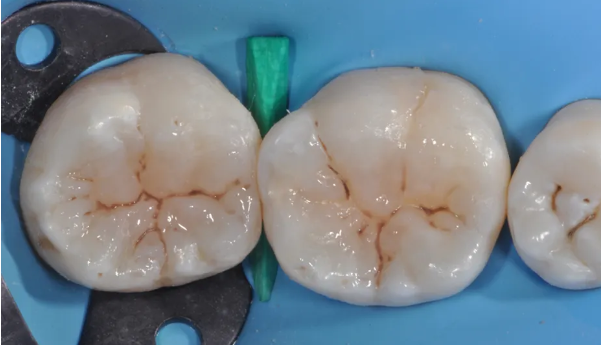
Figure 1. Pits and fissures on the chewing surface of a molar – the area most susceptible to tooth decay.
Toothbrush “Blind Spots”
These grooves are often extremely narrow and deep, making it nearly impossible for ordinary toothbrush bristles to reach the bottom and clean them thoroughly.
A Perfect Hiding Place for Bacteria
Food particles trapped inside pits and fissures ferment over time, creating an acidic environment that erodes tooth enamel and eventually causes cavities.
Weaker Enamel in Children
For children between 6 and 12 years old, newly erupted permanent teeth have immature enamel that is more vulnerable to bacterial invasion and acid attack than adult teeth.
👉 That’s why cavities can still develop in the pits and fissures—even when parents help their children brush carefully every day.
2. What Are Pit and Fissure Sealants?
A pit and fissure sealant is a preventive dental treatment in which a thin layer of protective material—typically composite resin or glass ionomer cement (GIC)—is applied to fill and seal the pits and grooves on the chewing surfaces of teeth.
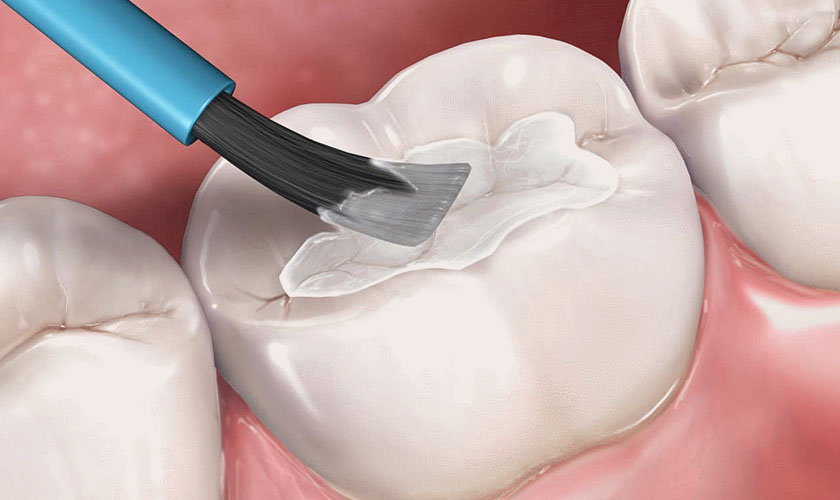
Figure 2. Illustration of the pit and fissure sealant procedure on a molar.
This treatment transforms the uneven chewing surface into a smooth, sealed surface, preventing food debris and dental plaque from accumulating in hard-to-clean areas.
Benefits of Sealants at Nhu Ngoc Dental Clinic
Maximum cavity prevention
Sealants create a protective barrier that blocks bacteria from attacking tooth enamel and helps preserve healthy natural teeth.
Completely pain-free
Unlike cavity fillings, which may require drilling or removing decayed tissue, sealants are applied only to the tooth surface. The procedure does not alter the tooth structure, so children experience no pain or sensitivity.
Additional enamel protection
Some sealant materials, such as Glass Ionomer Cement (GIC), gradually release fluoride to strengthen enamel and improve resistance to acid attacks.
Long-lasting protection
With proper care, a sealant can effectively protect teeth for 5 to 10 years or even longer.
3. The Best Time to Apply Sealants
According to the specialists at Nhu Ngoc Dental Clinic, sealants are most effective when applied as soon as permanent teeth erupt and before any signs of decay appear.
The recommended timing is:
- Age 6–7: When the first permanent molars (six-year molars) erupt.
- Age 11–14: When the second permanent molars and premolars erupt.
- Age 3–4: Sealants may also be recommended for primary molars when indicated by a dentist to help preserve healthy baby teeth and support proper permanent tooth development.
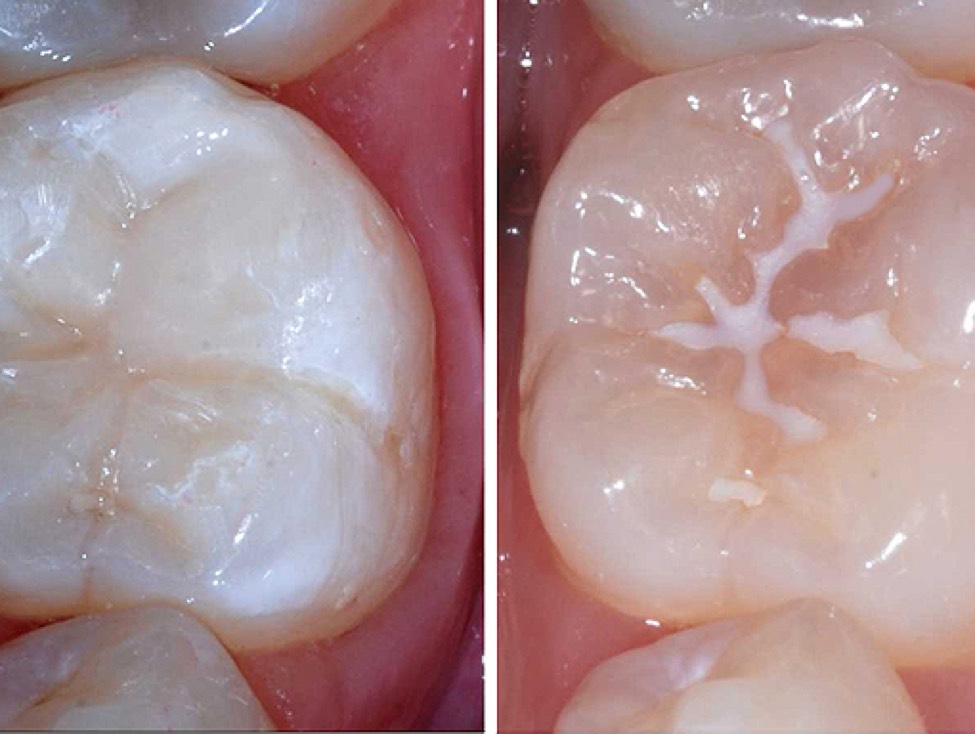
Note: If a tooth has already developed a cavity, sealants are no longer appropriate. The decayed tissue must first be removed, followed by a restorative filling.
4. Standard Pit and Fissure Sealant Procedure at Nhu Ngoc Dental Clinic
At Nhu Ngoc Dental Clinic, we understand that many children feel anxious about dental visits. That’s why our sealant procedure is designed to be quick, gentle, and completed in just one appointment, following internationally accepted clinical standards.
Step 1: Clean the Tooth Surface
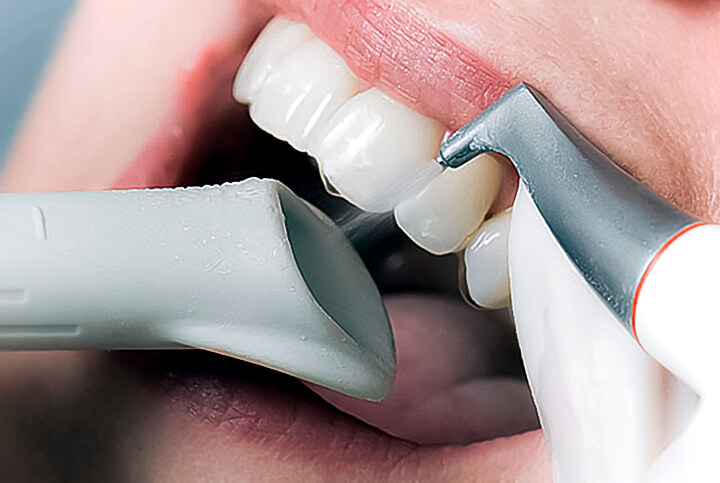
The chewing surface is cleaned using a polishing brush or fluoride-free pumice.
Step 2: Isolate and Dry the Tooth
Cotton rolls, a saliva ejector, or a rubber dam are used to keep the treatment area completely dry.
Step 3: Etch the Enamel
A 35–37% phosphoric acid etchant is applied for approximately 20 seconds to create microscopic retention on the enamel. Only the pits and fissures (about 1 mm deep) are etched, while the cusp slopes and cusp tips are avoided.
Step 4: Rinse and Dry
The etchant is thoroughly rinsed off for about 20 seconds, and the tooth is dried. Properly etched enamel should appear chalky white.
Step 5: Apply the Sealant
The sealant material is carefully flowed into the entire pit-and-fissure system while avoiding air bubbles and excessive thickness.
Step 6: Light Cure
For light-cured sealants, a curing light is used according to the manufacturer’s recommended exposure time.
The dentist will adjust the bite if necessary. Any air bubbles or defects are corrected before completing the procedure.
Step 7: Final Inspection
The dentist checks the sealant’s retention, marginal seal, and bite to ensure optimal protection.
5. Caring for Your Child’s Teeth After Sealant Placement
Although sealants provide a strong protective barrier, good oral hygiene remains essential for maintaining a healthy smile.
Parents should help their children:
- Brush at least twice a day for two minutes using a soft-bristled toothbrush and fluoride toothpaste.
- Floss daily to remove plaque and food debris between teeth.
- Avoid chewing hard objects such as ice cubes or nut shells, which may damage the sealant.
- Visit Nhu Ngoc Dental Clinic every 3–6 months for regular dental check-ups so the dentist can evaluate the condition of the sealants and repair or replace them if necessary.
Don’t Wait Until Your Child Has a Cavity!
Protect your child’s healthy smile before tooth decay begins.
With our experienced dentists, child-friendly approach, and modern sterilized equipment, Nhu Ngoc Dental Clinic is committed to providing a comfortable, gentle, and stress-free dental experience for every child.
Nhu Ngoc Dental Clinic