

 9 July, 2026
What Are Temporomandibular Disorders (TMD)?
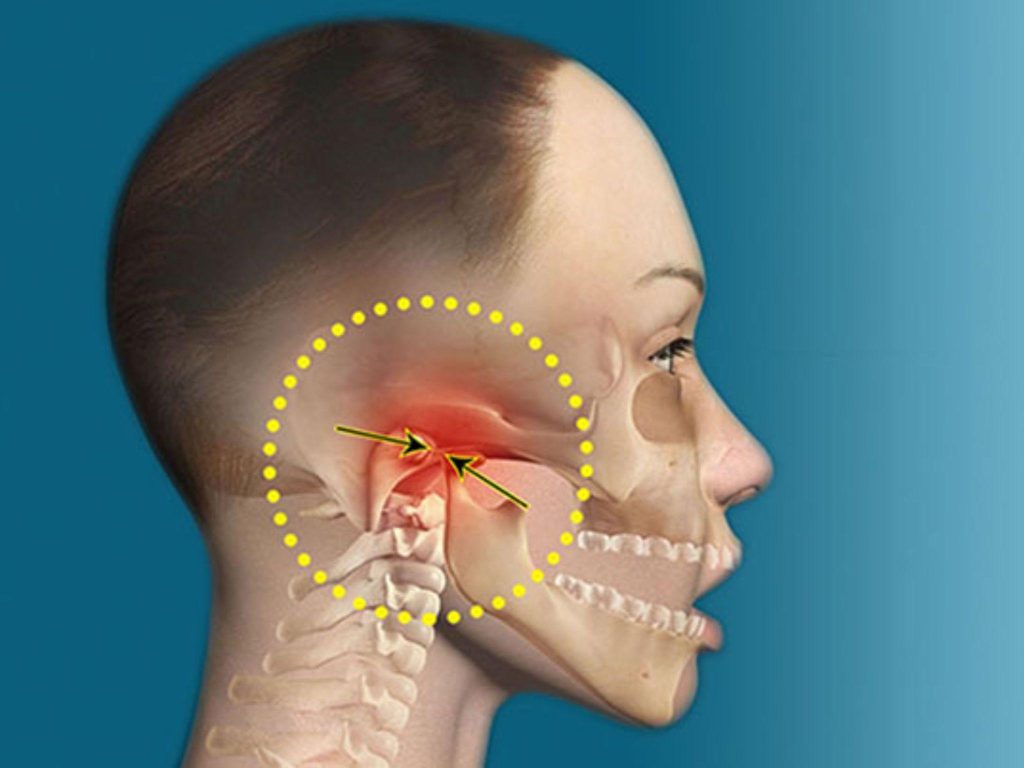
Temporomandibular Disorders (TMD) refer to a group of conditions affecting the temporomandibular joint (TMJ), the muscles of mastication, and the surrounding supporting structures. Patients commonly experience jaw pain, discomfort in front of the ear, headaches, muscle fatigue while chewing, joint clicking, or limited mouth opening.
Because the TMJ is anatomically close to the ears, sinuses, teeth, cervical spine, and facial nerves, the symptoms of TMD often resemble those of many other disorders. Accurate diagnosis is essential for selecting the appropriate treatment and preventing more serious conditions from being overlooked.
Differentiating TMD from Sinusitis
Maxillary sinusitis is one of the conditions most frequently mistaken for TMD because it can cause pain in the cheeks, upper teeth, and facial region.
Typical signs of sinusitis include:
- Facial pain that worsens when bending forward.
- Nasal congestion.
- Nasal discharge.
- Reduced sense of smell.
- A feeling of pressure or heaviness in the face.
In contrast, TMD pain is usually triggered by chewing, speaking for extended periods, or opening the mouth widely. Muscle fatigue and joint clicking during jaw movement are common signs of TMD but are not associated with sinusitis.
Differentiating TMD from Ear Disorders
Since the temporomandibular joint is located directly in front of the ear, TMD is often confused with otologic conditions such as otitis media or otitis externa.
Ear infections typically present with:
- Severe ear pain.
- Fever.
- Ear discharge.
- Noticeable hearing loss.
- Signs of inflammation visible during ear examination.
By comparison, TMD may cause referred pain around the ear without any actual ear pathology. The pain is often aggravated by chewing, yawning, or jaw movement rather than by ear-related conditions.
Differentiating TMD from Toothache or Dental Abscess
Dental problems such as deep caries, pulpitis, or periapical abscesses may also produce pain that radiates to the jaw, making them difficult to distinguish from TMD.
Characteristics of dental pain include:
- Pain localized to a specific tooth.
- Increased pain while biting or chewing.
- Sensitivity to hot or cold foods.
- Tenderness when the affected tooth is tapped.
In contrast, pain caused by TMD is usually more diffuse, involving the chewing muscles, temples, or jaw joint rather than a single tooth.
Differentiating TMD from Cervical Spine and Neck Disorders
Patients with TMD may also experience neck and shoulder discomfort, leading to confusion with musculoskeletal or cervical spine disorders.
Cervical spine disorders often present with:
- Pain radiating to the shoulders or arms.
- Numbness or tingling in the upper limbs.
- Muscle weakness.
- Pain aggravated by neck movement.
Conversely, TMD pain is generally limited to the jaw, temples, cheeks, and masticatory muscles, with little or no radiation into the arms. A thorough clinical examination and assessment of jaw function help distinguish these conditions.
Differentiating TMD from Trismus
Trismus, commonly known as lockjaw, is characterized by restricted mouth opening caused by various conditions such as facial infections, trauma, surgery, or systemic diseases.
Unlike TMD, patients with trismus often experience:
- Sudden and severe limitation of mouth opening.
- Fever or signs of infection.
- A history of facial trauma or oral infection.
TMD, on the other hand, usually develops gradually, with pain related to jaw function and only mild to moderate limitation of mouth opening.
Other Conditions to Consider
Although less common, several serious conditions can also present with pain around the temporomandibular joint, including:
- Benign tumors of the TMJ.
- Malignant tumors.
- Temporal arteritis.
- Trigeminal neuralgia.
These conditions often produce atypical symptoms such as severe nighttime pain, electric shock-like facial pain, unexplained weight loss, or progressively worsening symptoms. In such cases, advanced imaging studies such as CT scans, MRI, or biopsy may be required to establish a definitive diagnosis.
When Should You Seek Professional Care?
You should consult a dental or oral and maxillofacial specialist if you experience:
- Persistent jaw pain.
- Pain during chewing or mouth opening.
- Clicking or popping sounds in the jaw joint.
- Difficulty or limited ability to open the mouth.
- Recurrent headaches or pain in front of the ear.
- Persistent symptoms despite treatment for dental or ear conditions.
Early evaluation allows for an accurate diagnosis and timely treatment, improving long-term outcomes.
Conclusion
Temporomandibular disorders are common but are frequently misdiagnosed because their symptoms overlap with sinusitis, ear infections, dental diseases, cervical spine disorders, and other conditions. Accurate diagnosis requires a comprehensive medical history, careful clinical examination, and appropriate imaging or diagnostic tests when necessary.
If you experience persistent jaw pain, discomfort in front of the ear, or difficulty moving your jaw, avoid self-treatment and seek professional evaluation as early as possible. Early diagnosis is the key to successful treatment and long-term oral health.