

 20 July, 2026
1. Introduction
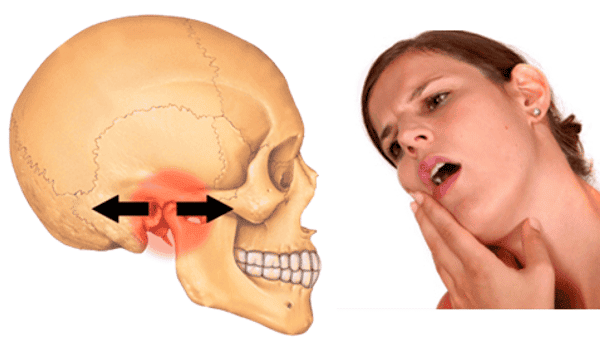
Temporomandibular Disorders (abbreviated as TMD) represent a complex group of conditions affecting the temporomandibular joint (TMJ), the masticatory muscles, and adjacent structures such as the articular disc and ligaments. Patients with TMD often seek medical help complaining of pain in the preauricular area, jaw angle, headaches, muscle fatigue during chewing, joint clicking/crepitus, or restricted mouth opening.
Because the anatomical location of the joint is immediately adjacent to the ear and closely linked to multiple systems (paranasal sinuses, ear structures, dentition, and neural networks), the manifestations of TMD can easily be mistaken for various other conditions. Therefore, an accurate differential diagnosis is essential to establish an effective treatment plan and avoid missing more critical underlying pathologies.
2. Differential Diagnosis of TMD with Common Conditions
A. Differentiation from Maxillary Sinusitis
Sinusitis—especially maxillary sinusitis—is one of the conditions most frequently confused with TMD. Patients with sinusitis often complain of aching in the cheek area, temples, and upper molar teeth.
- Key Differences: Sinusitis pain is typically dull and tends to intensify when bending forward or changing positions, accompanied by characteristic symptoms such as nasal discharge, congestion, or reduced sense of smell.
- In contrast, TMD pain is distinctly triggered or exacerbated by jaw movements (chewing, talking, or opening the mouth). Masticatory muscle fatigue and joint clicking/popping during jaw motion are strong indicators of TMD that sinusitis does not present.
B. Differentiation from Otologic Disorders (Otitis Media, Otitis Externa)
Due to the close anatomical proximity of the TMJ to the external auditory canal, TMD is frequently misdiagnosed as an ear issue. Patients often describe a dull earache, ear fullness, tinnitus, or mild dizziness.
- Key Differences: True otologic conditions present as acute pathology with distinct symptoms such as severe ear pain, fever, otorrhea (ear discharge), and noticeable hearing loss. Otoscopic examination will reveal an erythematous (red) or bulged tympanic membrane.
- Conversely, TMD causes referred pain to the ear region without structural ear abnormalities. This ear pain is directly associated with jaw motion, chewing, or jaw clenching—factors that do not affect standard otitis.
C. Differentiation from Toothache or Dental Abscess
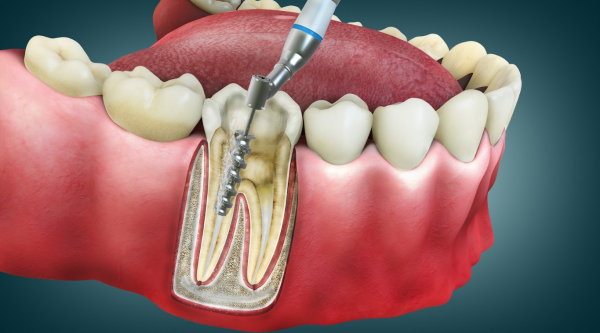
Many patients believe they have a toothache when experiencing pain localized to the molar region or near the angle of the jaw. Dental caries, pulpitis, or periapical abscesses can easily radiate pain throughout the jaw.
- Key Differences: Odontogenic pain (dental origin) has a clear, localized site and is highly sensitive to hot/cold stimuli or direct percussion on the affected tooth.
- On the other hand, TMD pain is more diffuse, presenting noticeably as masseter muscle fatigue or temporal pain rather than originating within the tooth structure itself. A dental examination and percussion test on individual teeth will easily clarify the cause.
D. Differentiation from Cervical Musculoskeletal Disorders
TMD can sometimes radiate pain down to the neck, shoulders, and upper back, leading clinicians to misdiagnose it as musculoskeletal pain syndrome or cervical spine disease. Individuals with poor posture or prolonged computer work often exhibit similar mechanical symptoms.
- Key Differences: Cervical spine disorders typically radiate down to the shoulders and arms, often accompanied by numbness in the fingers, muscle weakness, or dizziness when turning the neck.
- In contrast, TMD pain is localized to the temporal, cheek, and jaw regions, does not radiate to the upper limbs, and is strictly governed by mouth opening and closing mechanics.
E. Differentiation from Trismus and Other Conditions Restricting Mouth Opening
Trismus—a muscular spasm of the masticatory muscles restricting mouth opening—can stem from maxillofacial infections, oral submucous fibrosis, or tetanus.
- Key Differences: Pathological trismus usually presents with systemic signs such as high fever, elevated white blood cell count, or a history of diffuse oral/dental infection.
- TMD typically develops gradually, has mechanical characteristics, and does not cause sudden or severe restriction of mouth opening like infectious trismus.
3. Differentiation from Rare Conditions
Several less common conditions can also cause pain in the temporomandibular joint area, including:
- Benign tumors (giant cell tumors, chondromas) or malignant tumors.
- Temporal arteritis (giant cell arteritis) in older adults.
- Neurological disorders such as trigeminal neuralgia.
These serious conditions generally worsen over time, accompanied by systemic symptoms or atypical pain characteristics (e.g., electric shock-like pain, severe nocturnal pain, or unexplained weight loss). When these pathologies are suspected, advanced diagnostic imaging such as MRI, CT scans, or biopsy is indicated.
4. Conclusion
Temporomandibular Disorder is a common pathology, yet it is easily missed or misdiagnosed due to its diverse clinical presentations. An accurate differential diagnosis relies on taking a thorough medical history, conducting a systematic clinical examination, and combining diagnostic imaging when necessary.
In summary, key indicators of TMD include: Jaw or preauricular pain linked directly to jaw movement (chewing, speaking, opening the mouth), masticatory muscle fatigue, joint clicking/crepitus, and the absence of systemic inflammatory signs.
Clinicians should always maintain an open, comprehensive perspective when evaluating facial, jaw, or head pain. A multidisciplinary approach—collaborating across Dentistry/Maxillofacial Surgery, ENT, Neurology, and Rheumatology—is the optimal approach for complex cases.
📍 NHU NGOC DENTAL CLINIC – BRINGING HAPPY SMILES
⏱️ Opening Hours:
- Monday – Friday: 08:00 AM – 08:00 PM (except Wednesday: 02:00 PM – 08:00 PM)
- Saturday – Sunday: 08:00 AM – 06:00 PM
📞 Hotline: 1900 636800
🏠 Address: 21A Tran Quang Dieu, Dong Da, Hanoi
🌐 Website: https://nhakhoanhungoc.com/
#NhaKhoaNhuNgoc #TraoNuCuoiHanhPhuc #RoiLoanKhopThaiDuongHam #TMD #DieuTriKhamKhopHam #NhaKhoaUyTinHaNoi