

 22 August, 2026
Oral care during pregnancy is an important issue that is often overlooked. During pregnancy, hormonal changes and morning sickness can make expectant mothers more likely to experience dental and gum problems. If these oral health issues are not properly cared for and controlled, they may not only affect the mother’s health but may also have an impact on the health of the fetus.
1. When Are Expectant Mothers Most Likely to Develop Oral Health Problems?
Throughout pregnancy, controlling and preventing oral health problems should be given proper attention. Hormonal changes and morning sickness, particularly nausea and vomiting, can make maintaining proper oral hygiene more difficult.
The First Three Months of Pregnancy
During the first three months, hormonal changes combined with morning sickness and vomiting may increase the risk of oral health problems. When vomiting occurs, stomach acid comes into contact with the tooth surface, affecting the enamel and increasing the risk of tooth decay.
In addition, hormonal changes during this period may cause the gums to become swollen, sensitive, and more likely to bleed.
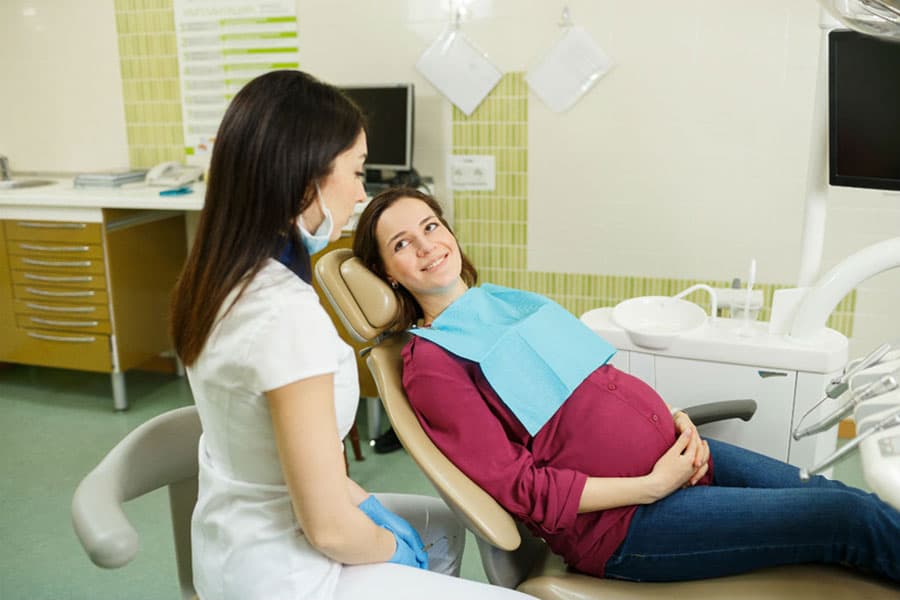
Source: Internet
From the 25th Week of Pregnancy
From approximately the 25th week of pregnancy, expectant mothers are also considered more likely to experience oral health problems. This is the stage when the fetus’s calcium requirements increase to support bone development.
If the mother’s diet does not provide enough calcium, the body will mobilize its stored calcium to meet the fetus’s developmental needs. Therefore, maintaining an adequate diet and practicing proper oral care during this period are essential.
2. Why Is Oral Care Important During Pregnancy?
Many expectant mothers wonder: Can oral health problems affect the mother and fetus?
During pregnancy, oral health problems can have a significant impact on the mother’s health. In particular, hormonal changes, dietary changes, and morning sickness can increase the risk of gingivitis, tooth decay, and other oral health problems.
Some of the oral health problems that expectant mothers may experience include:
Pregnancy Gingivitis
Pregnancy gingivitis is an inflammatory condition of the gums associated with hormonal changes during pregnancy. This condition may appear as early as the second month and tends to become more severe around the eighth month of pregnancy.
Expectant mothers may experience symptoms such as swollen, sensitive, painful gums or gums that bleed easily when brushing their teeth.
Increased Risk of Tooth Decay
During the first three months of pregnancy, nausea and vomiting may cause the teeth to come into frequent contact with stomach acid. Acid can affect the tooth enamel, thereby increasing the risk of tooth decay.
In addition, changes in eating habits during pregnancy, particularly a preference for foods high in sugar and starch, can promote plaque accumulation around the teeth and increase the risk of tooth decay.
Increased Risk of Transmitting Cavity-Causing Bacteria to the Baby
Cavity-causing bacteria are not naturally present in a baby’s mouth immediately after birth. These bacteria can be transmitted from the mother’s mouth or from other people through close contact with the baby, such as kissing the baby or sharing eating utensils such as spoons, chopsticks, or straws.
Therefore, maintaining good oral health for the mother can also help reduce the potential source of bacteria that may be transmitted to the baby.
3. How to Properly Care for Your Oral Health During Pregnancy
To reduce the risk of oral health problems during pregnancy, expectant mothers should take proactive steps to care for their teeth and have their oral health checked even before becoming pregnant.
Have a Dental Check-Up Before Pregnancy
Before planning a pregnancy, mothers should visit a dentist for a comprehensive dental examination and treatment of any existing oral health problems. Addressing dental problems early allows mothers to be more proactive in preventing oral health issues throughout pregnancy.
A dentist may recommend preventive treatment for tooth decay using fluoride varnish to help remineralize early tooth decay lesions and create a protective layer on the tooth enamel, thereby helping prevent tooth decay during pregnancy.

3M Clinpro White Varnish fluoride gel for cavity prevention
Brush Your Teeth Properly
Expectant mothers should brush their teeth at least twice a day, in the morning and evening. A soft-bristled toothbrush should be used to minimize gum irritation, together with fluoride toothpaste and fluoride-containing mouthwash.
In addition to brushing, expectant mothers should use dental floss to remove plaque and food particles from areas that are difficult for a toothbrush to reach, particularly between the teeth and along the gumline. This helps reduce the risk of gingivitis during pregnancy.
Have Your Teeth Professionally Cleaned Regularly
Professional dental cleaning is also an important part of oral care. Expectant mothers should have regular dental check-ups and undergo professional dental cleaning as recommended by their dentist to control plaque and tartar and reduce the risk of gum disease.
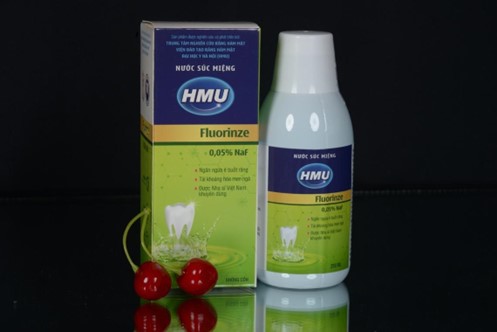
Fluoride-containing mouthwash
Maintain a Healthy Diet
During pregnancy, women’s eating habits often change considerably. Expectant mothers may develop a greater preference for foods high in sugar and starch. These foods can easily contribute to plaque buildup around the teeth, thereby increasing the risk of tooth decay and periodontal disease.
Therefore, expectant mothers should limit foods high in sugar and carbonated beverages. Instead, they should increase their intake of vegetables and fruits and drink enough water.
Drinking enough water helps maintain the amount of saliva needed in the mouth, which supports the protection of tooth enamel and helps the mouth resist the effects of bacteria.
Have Regular Dental Check-Ups During Pregnancy
Preventing and controlling tooth decay during pregnancy is an important part of maintaining oral health. Expectant mothers should visit a dentist for an oral examination at least once during pregnancy.
During the examination, the dentist can assess the condition of the teeth and gums, remove plaque, detect oral health problems early, and determine whether the current oral care routine needs to be adjusted.
In particular, if any unusual signs appear, such as tooth discoloration, swollen gums, pain, or bleeding gums, expectant mothers should proactively visit a dental clinic for an examination and early treatment.
4. Good Oral Care – Protecting the Health of Both Mother and Baby
Oral care during pregnancy not only helps mothers maintain healthy teeth and gums but also contributes to protecting the overall health of both the mother and baby.
Therefore, from before pregnancy and throughout the pregnancy, expectant mothers should maintain proper oral hygiene, follow a healthy diet, and have regular dental check-ups. When any unusual signs appear in the teeth or gums, mothers should seek dental care promptly for appropriate advice and care.