

 9 July, 2026
Snoring in young children is often considered normal or simply a sign that they are sleeping very deeply. However, according to experts, it may actually be a symptom of Obstructive Sleep Apnea (OSA).
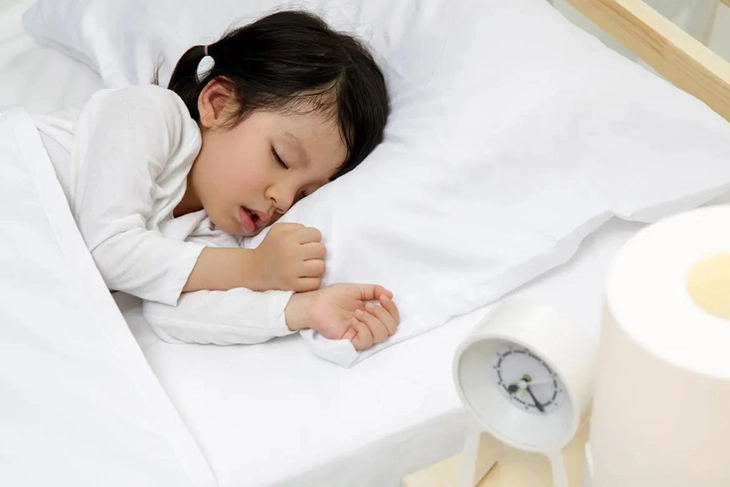
Children’s Sleep – Illustrative Image
This is a respiratory disorder that, if left undiagnosed and untreated, can affect a child’s physical growth, cognitive development, and craniofacial structure. Notably, oral and maxillofacial dentists are often among the first healthcare professionals to recognize the early signs of this condition during a routine dental examination.
In children, sleep plays a vital role in growth and development. During sleep, the body releases growth hormone, the brain processes and stores information, the immune system is regulated, and body tissues are repaired and regenerated.
Sleep is also a crucial period for the continued development of the craniofacial complex. Therefore, the quality of breathing during sleep directly influences jaw growth, dental occlusion, and facial development.
Healthy sleep not only supports height growth and enhances learning ability but also contributes to the proper development of the respiratory system and balanced craniofacial structures.
When Snoring Is No Longer Normal
Obstructive Sleep Apnea (OSA) is a condition in which the upper airway repeatedly narrows or becomes blocked during sleep. This interrupts airflow, reduces blood oxygen levels, and causes multiple brief awakenings that often go unnoticed by the individual.
According to international studies, approximately 7–10% of children in the general population snore regularly, while Obstructive Sleep Apnea (OSA) affects about 1–5% of children. This means that not every child who snores has OSA, but habitual snoring is an important warning sign that warrants further evaluation.
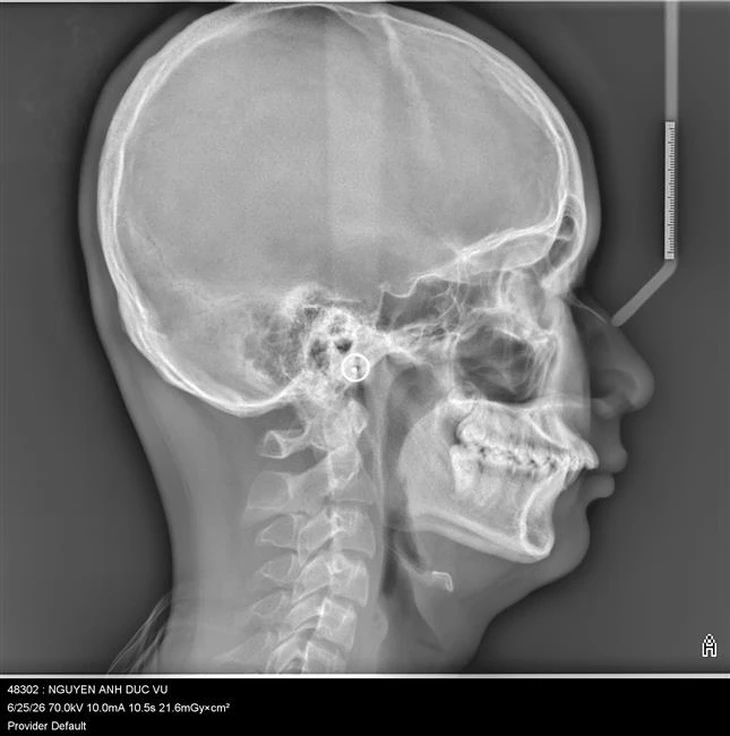
A retruded lower jaw (mandibular retrusion) increases the risk of upper airway obstruction. – Photo: BSCC
In children, the symptoms of this condition are not always obvious. In addition to persistent snoring, children may also exhibit the following signs:
- Mouth breathing during sleep or even while awake
- Restless sleep with frequent tossing and turning
- Excessive sweating during sleep
- Waking up feeling tired or unrefreshed
- Excessive daytime sleepiness or unusual episodes of falling asleep
- Poor concentration, hyperactivity, and declining academic performance
Experts believe that some children diagnosed with Attention-Deficit/Hyperactivity Disorder (ADHD) or learning difficulties may, in fact, be experiencing the long-term effects of poor sleep quality caused by sleep-disordered breathing.
The Often Overlooked Role of Oral and Maxillofacial Dentists
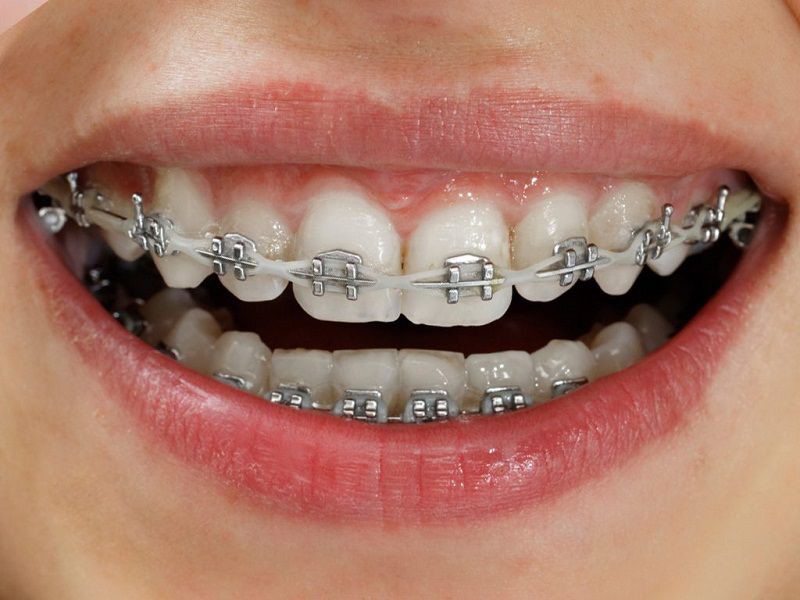
According to oral and maxillofacial specialists, a dental examination is not limited to detecting tooth decay, hard and soft tissue diseases, harmful oral habits, or bite abnormalities. During a routine examination, dentists can also identify anatomical features associated with an increased risk of sleep-disordered breathing, including:
- A narrow upper jaw (maxillary constriction)
- A high-arched palate
- Posterior crossbite
- A retruded lower jaw (mandibular retrusion)
- A vertically elongated facial pattern
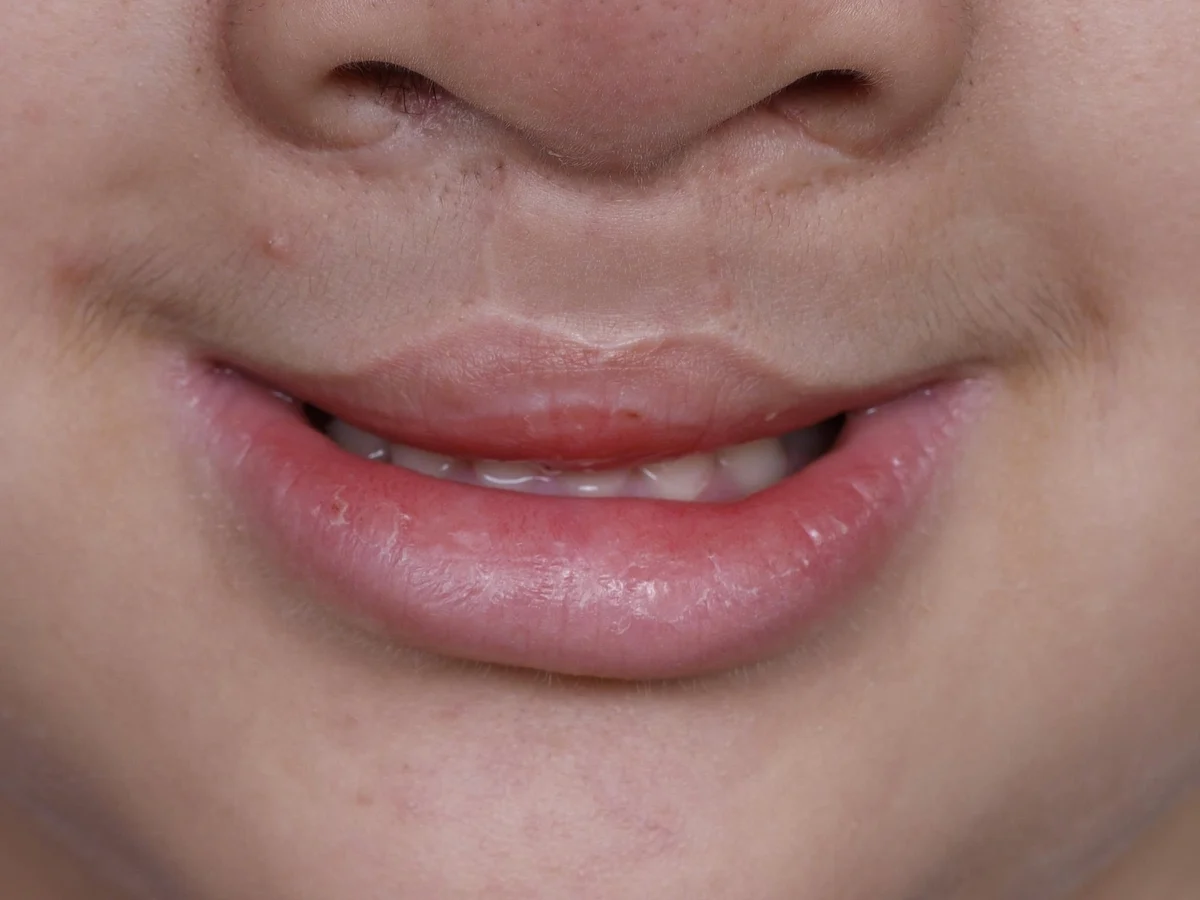
- Inability to close the lips comfortably
- Persistent mouth breathing

Obstructive Sleep Apnea (OSA) in children can often be detected early during routine dental examinations. – Photo: BSCC
These craniofacial characteristics are closely associated with narrowing of the upper airway and an increased risk of obstructive sleep apnea.
For this reason, oral and maxillofacial dentists are increasingly recognized as an important part of the early screening process for children at risk of OSA. Early identification allows timely referral to the appropriate medical specialists for comprehensive evaluation and multidisciplinary treatment.
Early Detection Can Change a Child’s Development
Numerous studies have shown that early intervention during childhood can significantly improve breathing function and reduce the long-term impact of OSA on craniofacial growth and development.
Depending on the underlying cause, treatment may include:
- Managing ear, nose, and throat (ENT) conditions
- Weight management for children with obesity
- Early orthodontic treatment to widen a narrow dental arch
- Advancing the lower jaw when mandibular retrusion is present and clinically indicated
- A multidisciplinary approach involving other medical specialties to optimize treatment outcomes
It is important to note that orthodontic treatment is not the only treatment for Obstructive Sleep Apnea (OSA). However, in many cases, guiding jaw development can help enlarge the upper airway, improve breathing, and enhance the overall effectiveness of treatment.
When Should Parents Seek Medical Evaluation?
Parents are advised to have their child evaluated if one or more of the following signs are present:
- Snoring three or more nights per week
- Frequent mouth breathing
- Poor-quality sleep, frequent awakenings, startling during sleep, or excessive night sweating
- Daytime fatigue, difficulty concentrating, or hyperactivity
- Bite or facial abnormalities, such as a retruded chin or a narrow upper jaw
Evaluation should not be limited to Ear, Nose, and Throat (ENT) or Respiratory Medicine specialists. A comprehensive assessment should also involve an oral and maxillofacial dentist, who can evaluate craniofacial development and identify structural factors that may contribute to airway obstruction.
Source: Tuoi Tre News