

 30 June, 2026
Tooth pain is often a sign that dental damage has already progressed to an advanced stage. However, many people only visit a dentist once the pain begins. While this habit is common, it often leads to more complicated procedures, longer treatment times, and higher costs.
According to the dentists at Nhu Ngoc Dental Clinic, most oral health problems can be treated simply and effectively when detected early, allowing the maximum preservation of natural tooth structure.

Why Doesn’t Early Tooth Decay Usually Hurt?
Tooth decay occurs when bacteria in the mouth produce acids that gradually break down the hard tissues of the teeth.
In the early stages, decay is limited to the enamel or the outer layer of dentin. Because the damage has not yet reached the tooth’s nerve, most people experience little to no discomfort. You may still:
- Eat and chew normally.
- Feel no tooth sensitivity.
- Experience no pain.
- Notice no visible cavities with the naked eye.
This “silent” progression is exactly why many people miss the ideal window for simple and conservative treatment.
What Does Tooth Pain Mean?
If you begin experiencing persistent tooth pain or sensitivity, the decay has likely progressed significantly.
At this stage, one or more of the following conditions may have developed:
- The cavity has become much larger.
- Bacteria have spread close to the dental pulp.
- The pulp has become irritated or inflamed.
- Infection may have reached the root tip (apex).
When this happens, treatment is often more complex than a simple filling. Depending on the severity, root canal therapy, restorative treatment, or even tooth extraction may become necessary if the tooth cannot be preserved.
Benefits of Early Dental Treatment
Receiving treatment while the cavity is still small offers many advantages, including:
- Preserving as much natural tooth structure as possible.
- Reducing the need for root canal treatment.
- Preventing severe tooth pain.
- Lowering overall treatment costs.
- Shortening treatment time.
- Maintaining healthy chewing function and an attractive smile.
For these reasons, dentists strongly recommend routine dental examinations rather than waiting until symptoms appear.
Clinical Case at Nhu Ngoc Dental Clinic
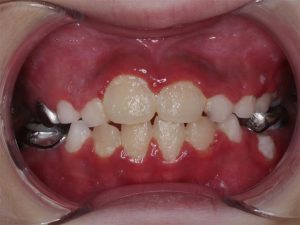
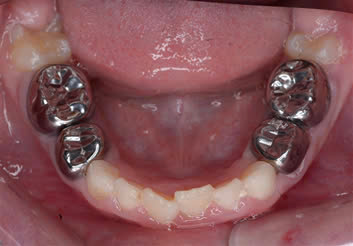
A 6-year-old patient, L.D.A., visited Nhu Ngoc Dental Clinic for a routine dental check-up.
Before the appointment:
- The child had no tooth pain.
- Eating and chewing were completely normal.
- The family noticed no signs of dental problems.
However, after a comprehensive examination and dental X-rays, the dentist discovered two large cavities that had already progressed very close to the dental pulp, placing the teeth at high risk of pulp inflammation.
Fortunately, because the problem was detected early, timely treatment successfully preserved the pulp and prevented more invasive procedures in the future.
This clinical case demonstrates that many dental diseases can develop silently for a long period without causing noticeable pain.
How Often Should You Have a Dental Check-up?
Dental professionals generally recommend:
- Adults: A routine dental examination every six months.
- Children: Every three to six months, depending on their risk of developing cavities.
- Orthodontic patients or individuals with multiple dental restorations: Follow the personalized recall schedule recommended by their dentist.
Regular dental visits not only help detect cavities early but also identify gum disease, bite problems, and many other oral health conditions before they become serious.
Conclusion
Don’t let tooth pain be the reason you finally visit a dentist.
A routine dental examination takes only 20–30 minutes, yet it can help detect hidden dental problems early, preserve your natural teeth, and significantly reduce future treatment costs.
Take a proactive approach to your oral health today and enjoy a healthier, brighter smile for years to come.