

 12 June, 2026
Palatal expansion is a technique commonly used in cases of a narrow dental arch or space deficiency to increase the total arch perimeter. This creates the necessary space for the dentition, making the orthodontic process smoother and more straightforward. To explore palatal expansion in detail, please refer to the comprehensive article below!
What is Palatal Expansion?
Palatal expansion is a method that uses specialized orthodontic appliances to increase the width of the dental arch, the surface area of the palate, and the interdental distance between the teeth. Consequently, it improves dental crowding and misalignment, while minimizing the need for tooth extractions during orthodontic treatment.
Indications for Palatal Expansion:
-
Patients with a narrow dental arch: Expansion creates sufficient space, facilitating the movement of teeth into their proper positions, re-establishing an ideal occlusion (bite), and reducing extraction rates.
-
Insufficient arch perimeter for tooth movement: Light, controlled forces are applied to expand the arch sufficiently without altering the underlying facial aesthetics.
-
Asymmetrical jaw alignment or crossbite: Utilizing expansion appliances balances the bite relationships and allows for favorable tooth movement.
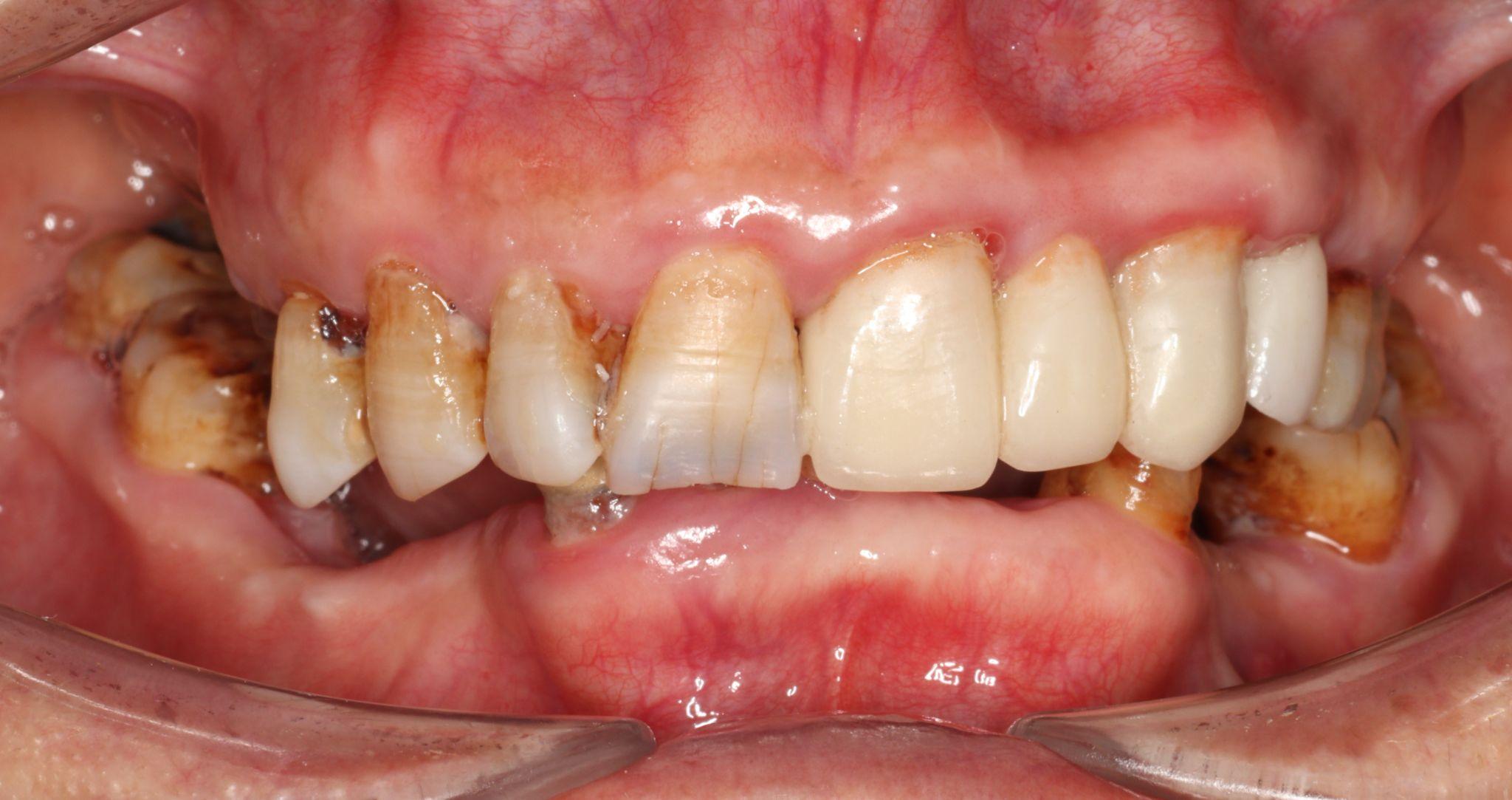
Patient presenting with jaw asymmetry, a narrow dental arch, and dental crowding
Palatal expansion can be integrated into both traditional fixed braces and clear aligner therapy.
Popular Methods of Palatal Expansion Today
1. Rapid Palatal Expansion (RPE)
Rapid palatal expansion utilizes appliances designed to focus force on expanding the skeletal structure by separating the mid-palatal suture. During this process, a large space (diastema) will appear between the teeth, particularly between the central incisors. Once the expansion phase is complete, this space is utilized to align the teeth, ensuring optimal aesthetics.
MSE (Maxillary Skeletal Expansion) Fast Expansion Appliance
MSE (Maxillary Skeletal Expansion) fast expansion appliance
In cases where patients have entered the later stages of growth and the mid-palatal suture has begun to fuse more rigidly, miniscrews can be inserted into the bone to support the expansion process—a method known as MARPE (Miniscrew-Assisted Rapid Palatal Expander).
More complexly, if the patient has reached adulthood and the suture is completely fused, or if there is a severe maxillary skeletal discrepancy, a combination therapy involving surgical intervention to widen the dental arch may be prescribed—known as SARPE (Surgically Assisted Rapid Palatal Expander).
Miniscrew-Assisted Rapid Palatal Expander (MARPE)
2. Slow Palatal Expansion (SPE)
Slow palatal expansion is indicated in cases of mild space deficiency or minor crowding, where the biomechanical force acts primarily on the teeth and the alveolar bone. The duration of slow expansion depends on the patient’s individual condition and the doctor’s treatment plan. This method ensures that bone remodeling keeps pace with dental movement, resulting in less discomfort than rapid expansion and highly stable outcomes.
Slow expansion appliance
3. Archwire or Clear Aligner Expansion
During orthodontic treatment, the dental arch can be expanded using specialized archwires or clear aligners for cases with mild crowding or minor misalignment. However, this method may yield limited efficacy and a restricted degree of arch widening. If the arch narrowing is severe, patients must be prescribed alternative specialized appliances instead.
4. Invisalign Palatal Expander (IPE) System
Leveraging today’s leading advanced technology, the digitally printed Invisalign Palatal Expander (IPE) system is designed to widen the upper jaw by up to 0.25mm per day. The IPE system features a smooth surface that covers the palate with a customized thickness tailored to each patient, making it suitable across various age groups. Patients can easily remove it for oral hygiene, avoiding the discomfort of metal components or the difficulties associated with manual activation (turning expansion screws), allowing for convenient home monitoring. The expansion action of IPE can be configured for either rapid or slow expansion based on the frequency of aligner changes, the doctor’s prescription, and the child’s compliance.
The Invisalign Palatal Expander (IPE) system
Types of Expansion Appliances in Dentistry
1. Removable Expansion Appliances
For children entering the early mixed dentition stage (ages 4–7), orthodontists frequently utilize pre-orthodontic appliances such as EF appliances, Myobrace, etc., or the modern Invisalign Palatal Expander (IPE). Children wear these during the evening and night for at least 8 hours a day to widen the jaw. Pre-orthodontic appliances are early-intervention tools with numerous benefits; different types are used to expand the jaw, reduce protrusion (buck teeth), correct deep bites, or fix anterior crossbites (underbites). Therefore, children must be evaluated by an experienced orthodontist to prescribe the correct appliance type for their condition. Parents should never purchase these independently without a specialist’s guidance.
For older children, removable appliances consisting of labial bows, springs, and an expansion screw are utilized to widen the dental arch perimeter. This method allows the child to easily remove the device for eating and cleaning, while effectively addressing narrow arches and malocclusions.
Removable expansion appliance, allowing children to practice easy oral hygiene
2. Fixed Expansion Appliances
This is a traditional appliance chosen by many because it yields rapid results and shortens the active treatment time. However, when using a fixed expander, patients may experience an initial period of discomfort, bulkiness, and difficulty maintaining oral hygiene.
Fixed expansion appliance
3. Is Mandibular (Lower Jaw) Expansion Possible?
In orthodontics, expansion is predominantly performed on the maxilla (upper jaw). However, there are cases where lower jaw expansion can be utilized via an appliance called a Bihelix. Nevertheless, the resulting efficacy is not as high as maxillary expansion. Furthermore, patients must undergo a detailed evaluation of their bone quality, the amount of arch space deficiency, and overall periodontal health before a mandibular expansion procedure can be performed.
Bihelix: A commonly used mandibular expansion appliance
Does Palatal Expansion Cause Pain or Discomfort?
Generally, wearing an expansion appliance generates a mechanical force to expand bone density and cartilaginous tissues. Therefore, a degree of soreness or tenderness is unavoidable. Depending on individual pain tolerance and the type of appliance used, the level of discomfort will vary; for instance, rapid expansion appliances generally offer less initial comfort compared to slow expansion methods.
During the first few days of wearing the expander, patients will feel a sensation of pressure or mild soreness. However, this feeling will gradually subside as the oral structures adapt to the active forces of the appliance.
Furthermore, with Nhu Ngọc Dental Clinic’s mission to apply leading technologies and continuously update clinical protocols, optimal appliances are utilized to simultaneously guarantee clinical success and deliver the best possible patient experience.
How Long Does the Expansion Process Take?
The duration of palatal expansion varies according to the specific severity of the narrow arch; the active expansion process will continue until sufficient required space is achieved. Depending on whether a rapid or slow expansion method is used, the active phase ranges on average from 2 weeks to 6 months. Following this, the child needs to continue wearing the appliance passively for 2 to 6 months to allow bone consolidation, stabilizing and maintaining the achieved results.
Additionally, the overall treatment duration with an expansion appliance depends on several factors:
-
Age: The cartilaginous sutures in children are not yet fully fused and possess high adaptability, meaning the expansion timeline for children aged 6–12 is shorter than that for adults.
-
Bone Condition: Patients with healthy, dense bone structures undergo expansion more efficiently. Patients with compromised bone density require a slower, more gradual approach to prevent structural deformation.
-
Dental Condition: In cases of mild crowding, the timeline for wearing an expansion appliance may be shorter compared to severe malocclusions.
Oral Care Instructions During Palatal Expansion
Wearing an expansion appliance can initially feel bulky or uncomfortable. Therefore, proper care is essential to minimize discomfort:
-
Dietary Modifications: For the first few days after placement, you should consume soft or liquid foods instead of tough or crunchy foods that could trigger pain and impact expansion efficiency. Opt for options like porridge or soup to protect your comfort and treatment outcomes.
-
Appliance Maintenance: Use specialized small interdental brushes, dental floss, or an oral irrigator (water flosser) to thoroughly remove plaque from the appliance components.
-
Daily Oral Hygiene: Brush your teeth at least twice a day after meals, complement this with an antiseptic mouthwash, and utilize interproximal cleaning tools like water flossers to better protect your overall oral health.
-
Overcoming Speech Difficulties: During the initial days, speech articulation may be temporarily affected due to the bulkiness in the oral cavity and increased salivation. Try to speak more slowly and practice your pronunciation to ensure clear, well-articulated words.