

 11 June, 2026
Immediate Implant Placement Following Tooth Extraction: A Modern Solution to Shorten Treatment Time
Tooth loss does not just compromise smile aesthetics; it impairs masticatory (chewing) function, triggers alveolar jawbone resorption (bone loss), and causes the migration and tilting of adjacent teeth. Thanks to advancements in modern dentistry, the protocol of tooth extraction combined with immediate implant placement has become an optimal solution—significantly reducing overall treatment time while delivering highly effective tooth rehabilitation.
1. What is Immediate Implant Placement?
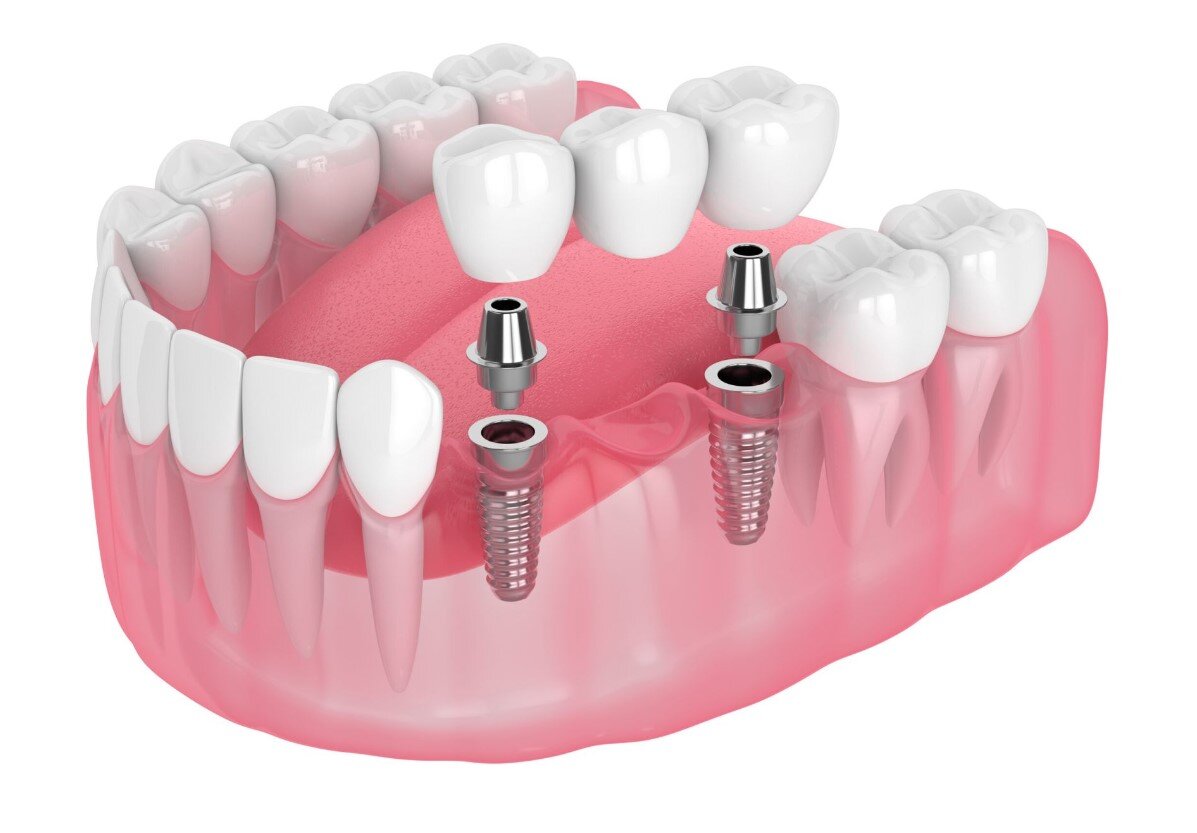
Immediate implant placement is a micro-surgical technique where the titanium implant post is inserted into the extraction socket immediately following tooth removal during the same surgical appointment. Instead of waiting 2 to 3 months for the socket to heal before placing the implant, this advanced method provides several key clinical benefits:
-
Minimizes the number of invasive surgical interventions.
-
Drastically reduces total treatment timelines.
-
Actively intercepts and limits post-extraction bone resorption.
-
Preserves natural gingival architecture and soft tissue aesthetics.
2. The Step-by-Step Clinical Workflow
Phase 1: Atraumatic Extraction and Immediate Implantation
Following a comprehensive clinical evaluation and advanced diagnostic mapping (clinical exams + X-rays/CBCT scans), the specialist will:
-
Perform a gentle, atraumatic extraction to maximize the preservation of the surrounding bony housing and soft tissue.
-
Insert the implant post precisely into the fresh extraction socket.
-
Perform guided bone regeneration (GBR) or soft tissue grafting concurrently if clinically indicated.
This integrated process is efficient, highly controlled, and minimizes post-operative swelling and discomfort.
Phase 2: Osseointegration Period (Approximately 3 Months)
During this healing window:
-
The implant surface fuses structurally and biologically with the surrounding jawbone (osseointegration).
-
The patient continues their daily routine with a modified, soft-food diet.
-
Periodic follow-up appointments are scheduled to track tissue healing.
The biological timeline of osseointegration. Image Source: Internet.
This is a critical phase that determines the long-term stability and survival rate of the dental implant.
Phase 3: Digital Impression and Final Prosthetic Delivery
Once osseointegration is fully verified and the implant is stabilized:
-
The clinician takes a high-precision digital intraoral scan instead of using traditional impression trays.
-
The digital data is processed via advanced CAD/CAM software to ensure microscopic accuracy.
-
The final porcelain crown is custom-designed and fabricated to achieve flawless occlusion (bite alignment) and optimal aesthetics.
Advantages of Digital Intraoral Scanning:
-
Eliminates the gag reflex and discomfort associated with traditional impression materials.
-
Rapid, seamless, and highly accurate.
-
Optimizes marginal adaptation, fit, and natural aesthetics of the final restoration.
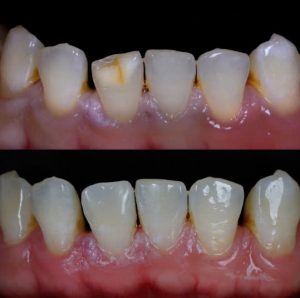
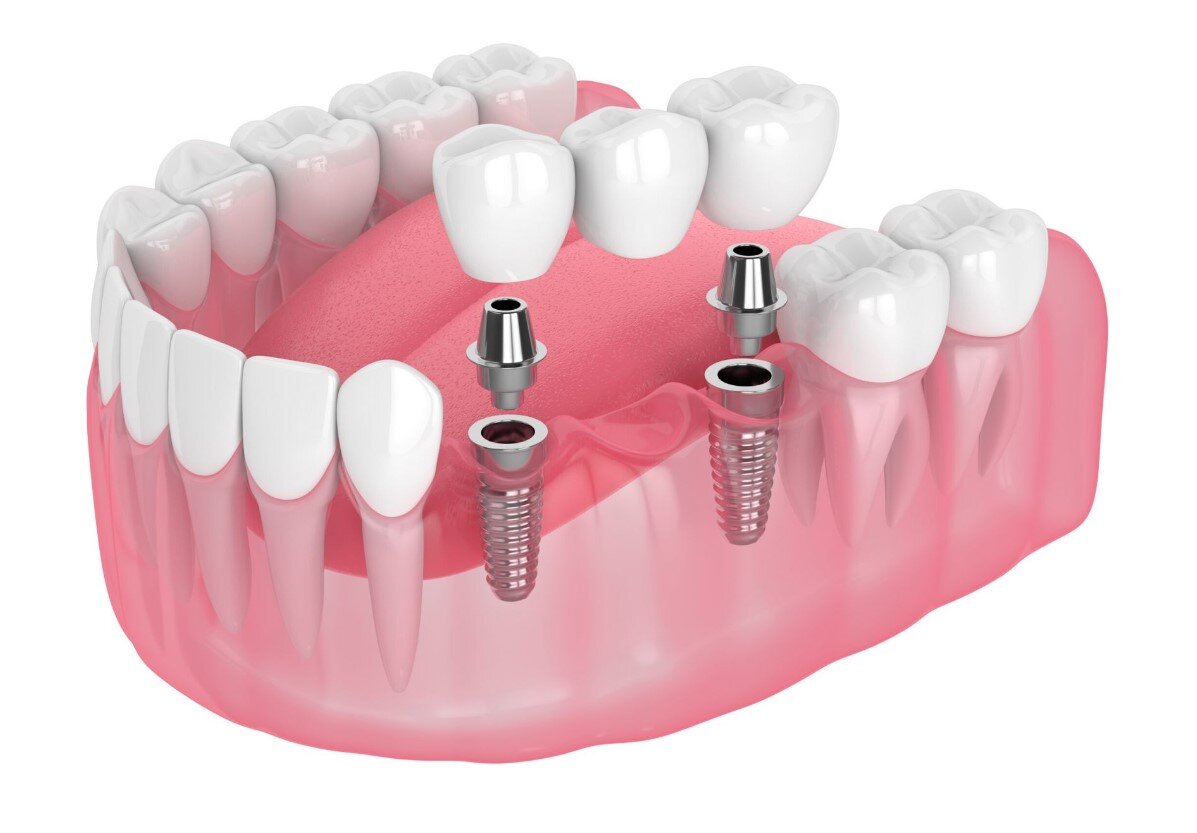 Digital intraoral scanning and final porcelain crown delivery. Image Source: Internet.
3. Clinical Outcomes
Upon completion of the treatment protocol, patients achieve:
-
A new restoration that blends seamlessly with natural teeth in both morphology and shade.
-
Restored chewing dynamics that mirror natural dentition.
-
Complete prevention of localized bone loss and shifting of adjacent teeth.
-
A dramatic enhancement in overall smile confidence and quality of life.
4. Who is an Ideal Candidate for Immediate Implants?
This treatment protocol is highly indicated for cases presenting with:
-
Severely damaged, non-restorable teeth that require extraction.
-
Adequate residual jawbone volume, height, and density to secure primary stability.
-
Absence of acute, severe periapical infections or active pathology at the extraction site.
Final eligibility must be determined through a comprehensive diagnostic workup by a dental specialist.
5. Addressing Common Patient Concerns
-
Is the dental implant procedure painful? The entire surgical phase is performed under profound local anesthesia. Post-operative discomfort is highly manageable with standard medications and is typically far milder than patients anticipate.
-
Does the process take a long time? Compared to traditional delayed implant protocols, immediate placement cuts down the overall treatment and healing timeline significantly.
-
Is the financial investment high? While the upfront cost may be higher than alternative options (such as removable partial dentures or traditional bridges), it stands as the most cost-effective, long-term, and biologically sustainable investment for your oral health.
6. Expert Advice
If you have a failing tooth that requires extraction or are already missing a tooth, do not postpone treatment. Early clinical intervention not only safeguards your existing jawbone architecture but also spares you from long-term, expensive, and complex corrective treatments down the road.
Contact us today to schedule your comprehensive diagnostic evaluation and receive a personalized restorative treatment plan.
Nhu Ngoc Dental Clinic