

 11 June, 2026
Inflamed Even with a Dental Implant? Never Ignore These Warning Signs
Dental implants represent today’s most advanced, durable, and highly aesthetic solution for replacing missing teeth. However, following treatment, many patients still experience peri-implant inflammation due to a thin biotype, challenging anatomical positions for cleaning, or a lack of protective keratinized gingiva (gum tissue) around the implant.
If you are experiencing any of the following symptoms:
-
Bleeding during brushing
-
Gum recession or exposed implant threads
-
Persistent bad breath (halitosis)
-
A dull ache or ongoing difficulty cleaning around the implant
👉 There is a very high probability that you are dealing with peri-implantitis—a destructive complication that can severely compromise the lifespan of your implant post if left untreated.
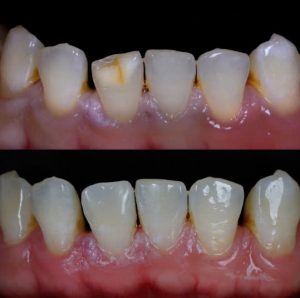
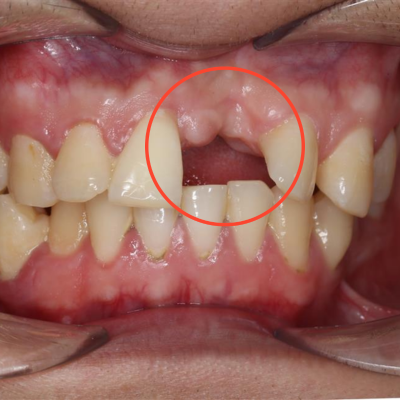 Before-treatment image of peri-implant soft tissue grafting.
What is Peri-Implant Soft Tissue Grafting?
Peri-implant soft tissue grafting (gum grafting) is a specialized technique used to supplement the gum tissue at the implant site, effectively increasing both the thickness (volume) and width of the protective keratinized gingiva surrounding the implant. This procedure establishes a vital, natural “protective barrier” around the restoration, blocking out bacterial invasion and making daily hygiene effortless.
Today, this technique stands as a fundamental solution for both treating and actively preventing peri-implant diseases.
Key Clinical Benefits of Peri-Implant Gum Grafting
1. Increasing Keratinized Gingiva for Easier Cleaning
When the area surrounding a dental implant is backed by an adequate band of tough, keratinized tissue, daily brushing and flossing become completely painless and far more efficient, significantly minimizing plaque stagnation.
2. Thickening the Soft Tissue Biotype for Superior Protection
Thicker soft tissue cushions the implant structure, shields it from mechanical irritation, and drastically lowers the risk of structural tissue recession around the abutment.
3. Reversing Gum Recession and Covering Exposed Threads
Grafting dramatically elevates smile aesthetics by covering up dark, unsightly exposed implant threads, restoring a seamless and natural-looking gumline line.
4. Halting Recurrent Inflammation
Establishing a healthy, stabilized soft tissue environment cuts down the risk of chronic, recurring infections, effectively securing the long-term survival of the dental implant.
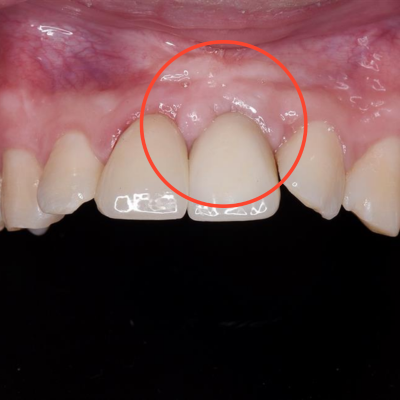 Post-treatment image of peri-implant soft tissue grafting.
When is a Peri-Implant Gum Graft Indicated?
A specialist will typically prescribe soft tissue grafting in the following clinical scenarios:
-
Thin tissue biotype or active gum recession around an implant.
-
Exposed implant threads causing aesthetic failure.
-
Ongoing difficulty maintaining oral hygiene around the restoration site.
-
Chronic, recurring episodes of peri-implant mucositis or peri-implantitis.
-
A total lack of protective keratinized tissue supporting the periapical zone.
Scheduling an early clinical evaluation is paramount to intercepting these defects before irreversible bone loss or complete implant failure occurs.
The Step-by-Step Clinical Procedure
Typically, a peri-implant soft tissue grafting protocol involves:
-
Clinical Examination & Evaluation: Assessing the structural stability and health of the existing implant.
-
Debridement & Infection Control: Thoroughly cleaning the site and eliminating any active peri-implant inflammation.
-
Graft Harvesting / Selection: Sourcing a small tissue graft from the patient’s palate or utilizing an advanced, biocompatible alternative matrix.
-
Micro-Surgical Grafting: Precisely placing and suturing the soft tissue graft around the implant neck.
-
Post-Operative Tracking: Monitoring tissue integration and healing through routine follow-up checkups.
This micro-surgical technique is performed gently under local anesthesia, ensuring maximum patient comfort and a relatively fast recovery timeline when proper care guidelines are followed.
Post-Operative Care Guide
To facilitate optimal tissue healing and secure long-term success, patients should strictly adhere to the following:
-
Practice meticulous oral hygiene exactly as directed by your surgeon.
-
Refrain entirely from smoking or using tobacco products.
-
Avoid chewing exceptionally hard, overly crunchy, spicy, or hot foods during the initial healing phase.
-
Attend all scheduled follow-up appointments to evaluate implant and tissue stability.
Gum Grafting: A Small Procedure with a Massive Impact on Implant Longevity
Many patients fixate exclusively on the titanium implant post itself, forgetting that a healthy, resilient band of gum tissue is the indispensable “shield” that keeps that implant secure for a lifetime.
If your dental implant shows signs of receding gums, red inflammation, or is constantly trapping food, do not brush it off. Intercepting the issue early with a soft tissue graft can successfully save your dental implant and beautifully revitalize your smile.
Nhu Ngoc Dental Clinic