

 10 June, 2026
What Is Bad Breath?
Bad breath (Halitosis) is a condition characterized by a persistent unpleasant odor in the breath, significantly affecting communication, psychological well-being, and self-confidence in daily life. It is one of the most common oral health concerns, affecting nearly 50% of the global population.
Notably, approximately 90% of bad breath cases originate from the oral cavity itself rather than from the stomach, contrary to what many people commonly believe.

The Mechanism Behind Bad Breath Formation in the Oral Cavity
The primary cause of bad breath is the activity of Gram-negative anaerobic bacteria in the mouth. These bacteria break down:
- Food debris remaining in the mouth
- Shed epithelial cells
- Blood and inflammatory exudates
This process produces Volatile Sulfur Compounds (VSCs), the most common of which include:
- Hydrogen Sulfide (H₂S)
- Methyl Mercaptan (CH₃SH)
These compounds are responsible for the characteristic unpleasant odor detected in the breath.
The Dorsal Surface of the Tongue – The Largest Reservoir of Bad Breath-Causing Bacteria
Many people brush their teeth diligently every day yet continue to experience persistent bad breath. One commonly overlooked cause is the dorsal surface of the tongue.
Due to its complex structure of grooves and papillae, it provides an ideal environment for:
- Plaque accumulation
- Retention of food particles
- Bacterial growth and proliferation
Studies have shown that the dorsal tongue surface may harbor up to 60–80% of all odor-producing bacteria within the oral cavity.
Factors That Can Worsen Bad Breath
In addition to bacteria on the tongue, several other factors can contribute to or aggravate bad breath:
Periodontal Disease
Gingivitis and periodontitis create periodontal pockets that harbor large numbers of anaerobic bacteria, significantly increasing the production of malodor-causing gases.
Dry Mouth (Xerostomia)
Saliva plays a vital role in naturally cleansing the mouth and controlling bacterial growth. When saliva production decreases, bacteria can multiply more rapidly, resulting in unpleasant breath odor.
Systemic Diseases
Certain medical conditions may also contribute to chronic bad breath, including:
- Gastroesophageal Reflux Disease (GERD)
- Chronic sinusitis
- Tonsillitis
- Certain metabolic disorders
Why Brushing Alone Is Not Enough
Many people believe that thorough tooth brushing is sufficient to eliminate bad breath. However, studies indicate that conventional brushing only cleans approximately 25–30% of the oral cavity.
Difficult-to-reach areas such as:
- The dorsal surface of the tongue
- Interdental spaces
- Periodontal pockets
- The throat and tonsillar region
can continue to harbor bacteria that produce odor-causing compounds.
This is why additional oral hygiene measures play an essential role in effective bad breath control.
Types of Mouthwashes That Help Control Bad Breath
Today, mouthwashes are developed based on several different mechanisms of action:
1. Eliminating Odor-Causing Bacteria
Helps reduce the population of anaerobic bacteria in the oral cavity.
2. Balancing the Oral Microbiome
Supports a healthy microbial environment and limits the growth of harmful bacteria.
3. Neutralizing Volatile Sulfur Compounds
Acts directly on odor-producing compounds rather than merely masking unpleasant smells.
4. Utilizing Metal Salts
Prevents the formation of volatile sulfur compounds.
In contrast, many conventional breath-freshening products only use flavoring agents to temporarily mask odor without addressing its underlying causes.
Chlorhexidine and Chlorine Dioxide (ClO₂): The Two Most Studied Active Ingredients
Chlorhexidine
Chlorhexidine is widely considered the gold standard in many studies evaluating antibacterial mouthwashes because of its strong effectiveness in controlling oral bacteria.
However, long-term use may be associated with certain side effects, including:
- Tooth staining
- Altered taste perception
- Increased tartar accumulation
Chlorine Dioxide (ClO₂)
In recent years, Chlorine Dioxide has gained increasing attention due to its scientifically supported mechanism for controlling bad breath and its relatively low incidence of side effects during long-term use.
ClO₂ works by:
✅ Directly neutralizing volatile sulfur compounds responsible for bad breath.
✅ Providing oxygen, thereby inhibiting the growth of anaerobic bacteria.
✅ Helping reduce plaque accumulation on teeth and the tongue surface.
Clinical studies have reported improvements after 12 hours of use and sustained benefits after 2 weeks, including:
- Significant reduction in odor-causing gases
- Noticeable improvement in breath odor assessment scores
- Reduction of bacterial species associated with halitosis, such as Fusobacterium nucleatum and Treponema denticola
A Scientific Oral Care Routine for Effective Bad Breath Control
For optimal results, maintain a consistent oral hygiene routine twice daily, in the morning and evening.
Step 1: Mechanical Cleaning
- Brush your teeth properly
- Clean the tongue surface
- Use dental floss to clean between teeth
Step 2: Mouth Rinsing
Use approximately 15 mL of a ClO₂-containing mouthwash for 30 seconds.
Then gargle for an additional 15–30 seconds to help cleanse the throat and tonsillar area.
Step 3: Allow the Active Ingredients to Work
Avoid eating or drinking for at least 5 minutes after rinsing.
Important Tips to Help Reduce Bad Breath
✔ Drink sufficient water daily to prevent dry mouth.
✔ Avoid excessive use of alcohol-based mouthwashes, as they may dry out the oral tissues.
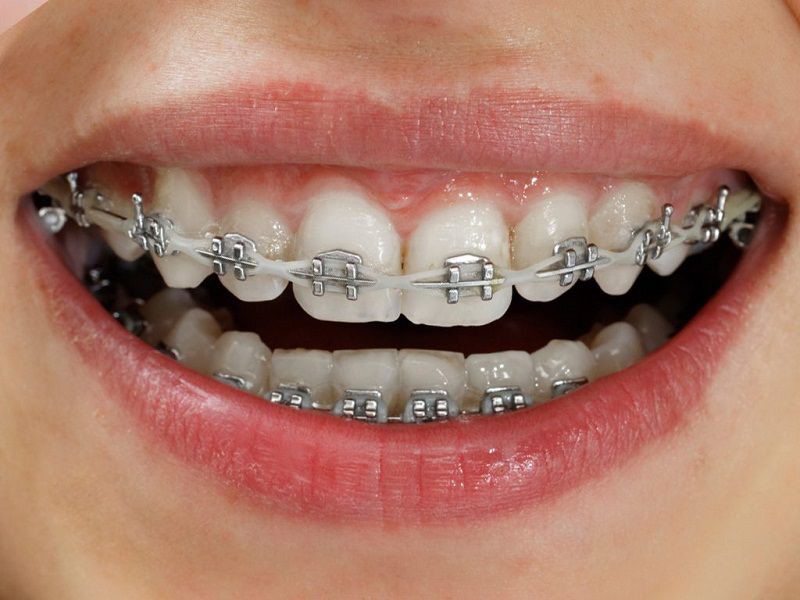
✔ Regularly clean orthodontic appliances, dentures, and retainers.
✔ Schedule routine dental checkups every 6 months to detect oral health issues early.
When Should You See a Dentist?
If you maintain proper oral hygiene but your bad breath:
- Persists for several weeks
- Recurs frequently
- Does not improve despite changes in oral care habits
you should consult a dental professional to determine the underlying cause.
Bad breath can result from a variety of factors, including both oral conditions and systemic diseases. Accurate diagnosis is essential for selecting the most appropriate treatment and achieving long-term results.
Conclusion
Bad breath is not merely a social concern—it may also serve as a warning sign of underlying oral or systemic health conditions. Understanding the mechanisms behind bad breath and adopting a science-based oral care routine are key to effectively controlling the condition.
In addition to brushing and flossing, tongue cleaning and the use of supportive products that target the root causes of malodor, such as Chlorine Dioxide (ClO₂), can significantly improve breath quality. However, if bad breath persists or frequently recurs, professional dental evaluation is recommended to identify the underlying cause and develop an appropriate treatment plan.