

 6 November, 2026
Braces help create a straighter, more beautiful smile, but maintaining oral hygiene during orthodontic treatment can be challenging. Food debris can easily get trapped around brackets and wires, leading to plaque buildup, tooth discoloration, gum inflammation, and bad breath.
So, how can you keep your teeth healthy and clean throughout your orthodontic journey?
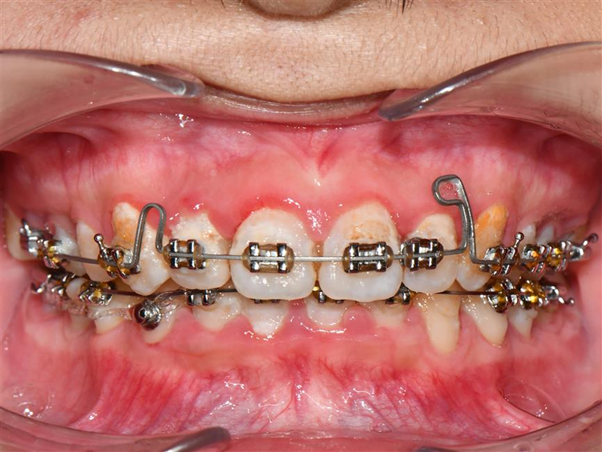
Tooth decay during orthodontic treatment with braces..
1. Brush Your Teeth Properly – The Essential First Step
- Choose the right toothbrush: Use an orthodontic toothbrush with V-shaped bristles or a soft-bristled electric toothbrush.
- Brush correctly: Hold your toothbrush at a 45-degree angle toward the gumline. Gently clean around brackets, wires, and gum margins.
- Brush regularly: Brush at least 2–3 times a day, especially after meals and before bedtime.
Tip: Carry a travel toothbrush and mini toothpaste for convenient cleaning throughout the day.
2. Dental Floss & Interdental Brushes – Essential Cleaning Tools
Braces make flossing more challenging, but it remains essential.
- Super Floss: Its stiff end helps thread floss beneath orthodontic wires and clean between teeth.
- Interdental brushes: Their small heads effectively remove food debris around brackets, wires, and between teeth.
With regular practice, these tools can become a quick and easy part of your daily routine.
3. Water Flossers – A Modern Cleaning Solution
Water flossers use pressurized water to remove food debris around brackets and between teeth. They are especially helpful for patients with crowded teeth or busy schedules.
However, they should complement, not replace, regular brushing and dental flossing.
4. Clean Your Tongue – The Key to Fresher Breath

Clean your tongue using a specialized tongue brush
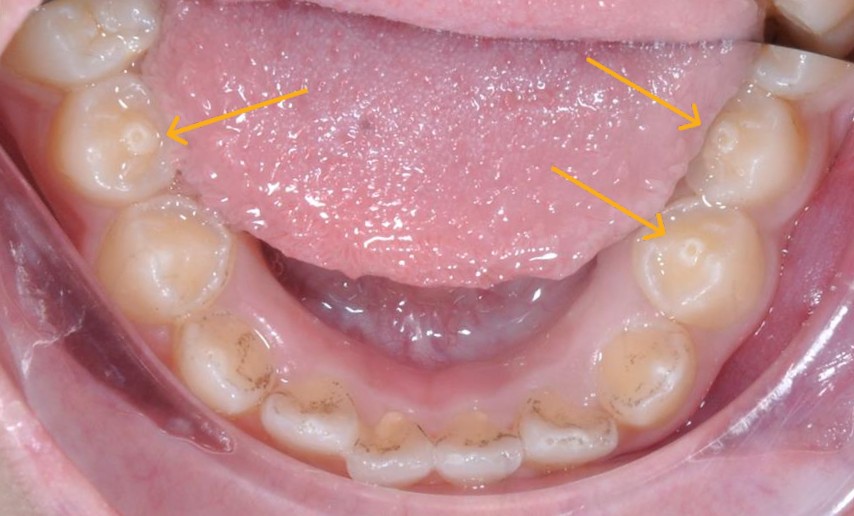
Image: Cleaning the tongue with a dedicated tongue scraper.
The tongue can harbor bacteria, food debris, and dead cells, contributing to bad breath.
- Tongue scraper: Helps remove buildup from the tongue’s surface.
- Toothbrush: Use its dedicated tongue-cleaning surface if available.
- When to clean: Gently brush or scrape from the back toward the tip after brushing your teeth.
5. Use an Antibacterial Mouthwash
Fluoride mouthwash helps strengthen enamel and prevent tooth decay. Choose an alcohol-free formula to avoid dry mouth and irritation.
Follow your dentist’s recommendations regarding frequency of use.
6. Maintain a Tooth-Friendly Diet
A balanced diet helps protect your teeth throughout orthodontic treatment.
- Avoid sugary, carbonated, and sticky foods that increase the risk of plaque buildup and tooth decay.
- Limit hard foods such as sugarcane, nuts, and popcorn. Cut apples and crusty bread into smaller pieces.
- Choose soft, fiber-rich foods, eat plenty of vegetables, and drink enough water.
7. Attend Regular Dental Check-ups and Professional Cleaning
Regular dental visits allow your orthodontist to adjust braces and monitor your overall oral health.
Professional scaling, when recommended by your dentist, helps remove plaque and tartar and reduce the risk of gum inflammation.
Wearing braces is not just about achieving straighter teeth; it also requires consistent oral hygiene. With proper daily care and regular dental check-ups, you can maintain healthy gums, fresh breath, and a beautiful smile throughout your orthodontic journey.