

 28 August, 2026
In restorative dentistry, adhesive systems play an important role in creating a bond between dental tissues and restorative materials. Selecting an appropriate adhesive system, combined with proper application techniques, helps improve bond strength and maintain long-term restorative performance.
G-Premio BOND – 8th-Generation Universal Adhesive
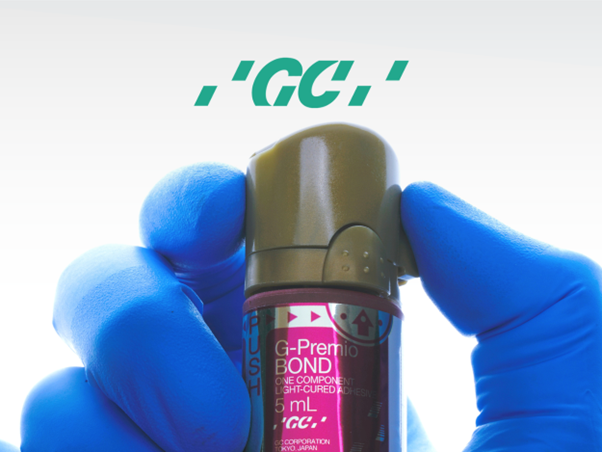
G-Premio BOND by GC is an 8th-generation Universal adhesive system, recognized for its versatility across different adhesive strategies.
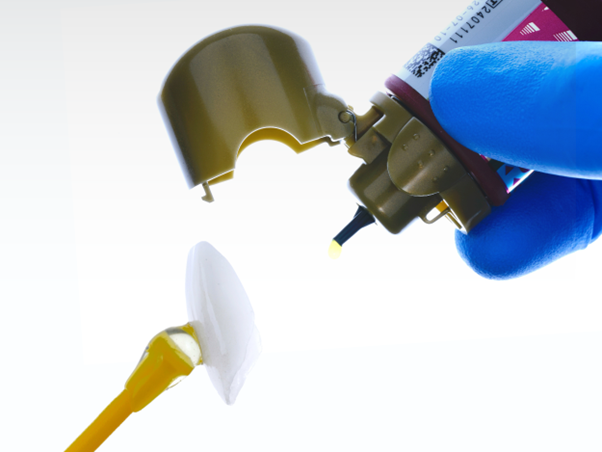
G-Premio BOND can be used with all three adhesive techniques:
- Total-etch
- Self-etch
- Selective-etch
In addition, the product can be combined with other GC materials, such as G-CEM LinkForce, for indirect restorative procedures.
10-MDP – Enhanced Interaction with Hydroxyapatite
One notable feature of G-Premio BOND is its inclusion of 10-MDP (10-methacryloyloxydecyl dihydrogen phosphate).
10-MDP can chemically interact with hydroxyapatite (HA) in dental tissues, thereby contributing to the formation and maintenance of a stable bond between the adhesive material and tooth structure.
HEMA-Free – Limiting the Effects of Water Absorption
G-Premio BOND is HEMA-free, unlike some previous-generation adhesive systems that commonly incorporated this hydrophilic monomer.
HEMA helps improve wettability and supports the formation of a polymer network. However, after polymerization, its hydrophilic nature may increase water absorption. Over time, this may contribute to hydrolytic degradation, microleakage, and reduced bond strength.
How Can the Effectiveness of G-Premio BOND Be Optimized?
According to a systematic review of G-Premio BOND, several application techniques may help optimize its adhesive performance.
1. Selecting an Appropriate Etching Technique
Selective dentin etching is considered a noteworthy adhesive strategy. This technique helps preserve hydroxyapatite around the collagen fibers in dentin, allowing 10-MDP to chemically interact with the tooth substrate and supporting long-term bond durability.
2. Active Scrubbing
Rather than simply applying the adhesive to the surface, the scrubbing technique involves active application and gentle rubbing of the adhesive.
This approach helps the monomers interact with and penetrate the dentin surface more effectively, while also supporting the interaction of 10-MDP with hydroxyapatite, thereby contributing to improved bond quality.
3. Allow Sufficient Solvent Evaporation and Light-Curing Time
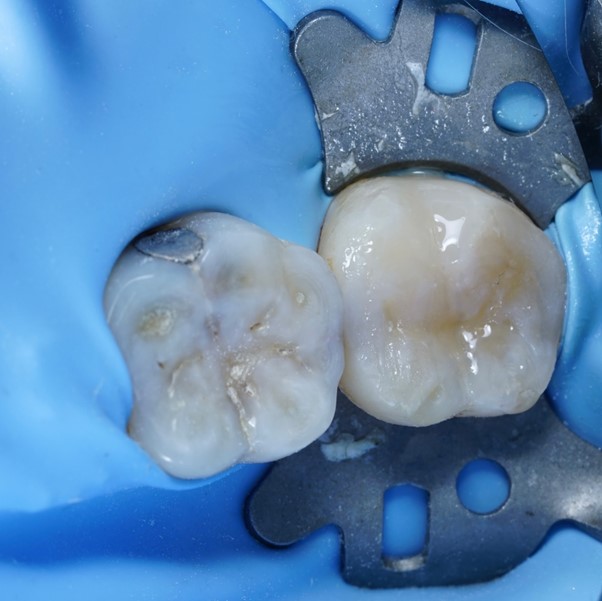
The adhesive application time should not be shortened. Adequate air-blowing to evaporate the solvent and ensuring an appropriate light-curing time help promote more complete polymerization.
According to the referenced study, the light-curing time may be extended to up to 40 seconds under appropriate conditions.
Note: Application and light-curing times should follow the manufacturer’s instructions and the specific clinical conditions.
4. Consider Using a Primer When Higher Bond Strength Is Required
In certain cases where enhanced bonding performance is required, a primer may be considered to support monomer penetration and saturation of the dentin surface.
GC currently offers a primer incorporated into the G-CEM LinkForce system. However, any combination or mixing of materials should be based on the manufacturer’s instructions and scientific evidence. The mixing ratio or application protocol should not be modified without appropriate supporting evidence.
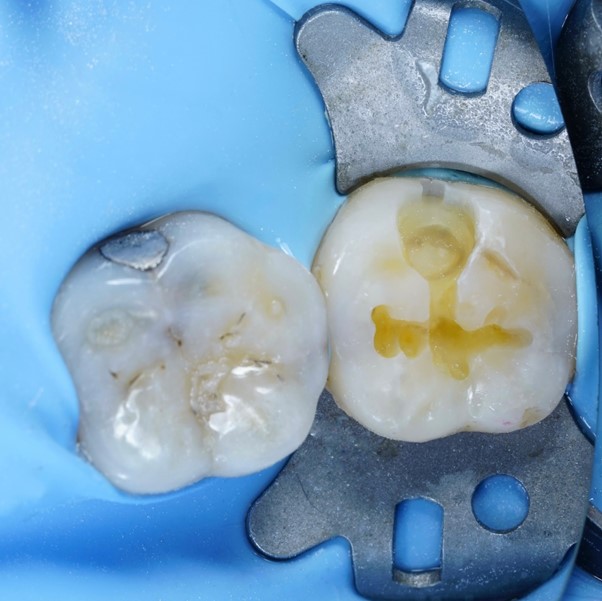
Important Considerations When Using Adhesive Systems
To ensure optimal adhesive performance, the following points should be considered:
- Do not shorten the adhesive application and scrubbing time.
- Follow the appropriate etching – scrubbing – air-blowing – light-curing protocol.
- Exercise caution when using dentin desensitizing agents before the bonding procedure, as some substances may affect bond strength.
- Always follow the manufacturer’s instructions for each material.
Conclusion
G-Premio BOND stands out for its versatility across different adhesive strategies, combined with 10-MDP and a HEMA-free formulation.
However, the effectiveness of an adhesive system depends not only on the material itself but also on proper clinical technique. Selecting an appropriate etching strategy, using active scrubbing, and carefully controlling solvent evaporation and light-curing time are important factors in optimizing bond quality in restorative dentistry.
References
[1] Research on the interaction mechanism between 10-MDP and hydroxyapatite.
[2] Systematic review of the effectiveness and factors influencing the adhesive performance of G-Premio BOND.