

 8 June, 2026
Many people believe that canker sores are just a minor problem and will heal on their own after a few days. However, if mouth sores appear frequently, cause prolonged pain, or recur repeatedly, it could be a sign of Recurrent Aphthous Stomatitis (RAS) – a fairly common oral mucosal disease that is often misunderstood.
So what is recurrent aphthous stomatitis? What are the causes, and when should you seek specialist medical attention? Let’s find out in the article below.
What is Recurrent Aphthous Stomatitis (RAS)?
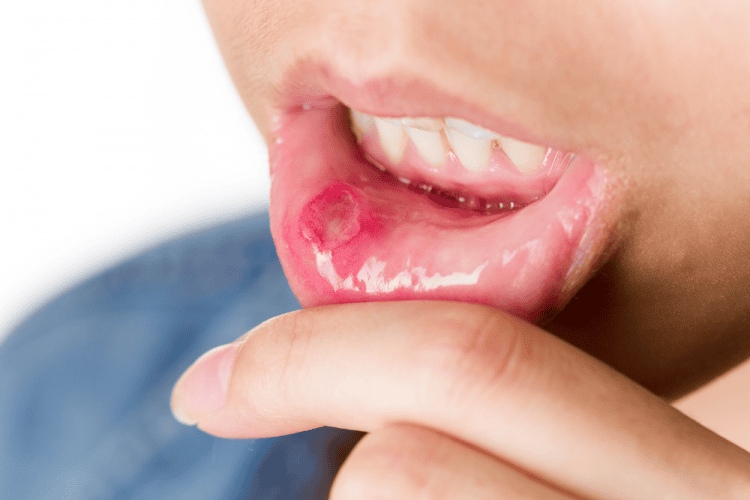
Recurrent Aphthous Stomatitis (RAS) is a condition characterized by the repeated appearance of painful ulcers in the oral mucosa. It typically occurs on non-keratinized mucosal areas such as the inner lips, cheeks, floor of the mouth, or tongue.
According to updated studies and treatment guidelines, RAS affects approximately 5–25% of the population and is most common in children, adolescents, and young adults.
Although it is not a life-threatening condition, it can cause:
-
Prolonged burning pain.
-
Difficulty eating, drinking, and communicating.
-
Reduced quality of life.
-
Frequent recurrences causing discomfort and psychological impact.
Causes of Recurrent Aphthous Stomatitis
Currently, the exact cause of RAS remains fully undetermined. Studies suggest that it is a multifactorial condition involving interactions between the immune system and various risk factors.
1. Genetic Factors
Individuals with a family history of RAS generally carry a higher risk.
2. Stress and Lack of Sleep
Prolonged stress, work pressure, or insomnia can disrupt immune regulation, triggering recurrent ulcer episodes.
3. Oral Mucosal Trauma
Mechanical injuries can act as a trigger for aphthous ulcers. These include:
-
Accidentally biting the cheek or lip.
-
Brushing teeth too aggressively.
-
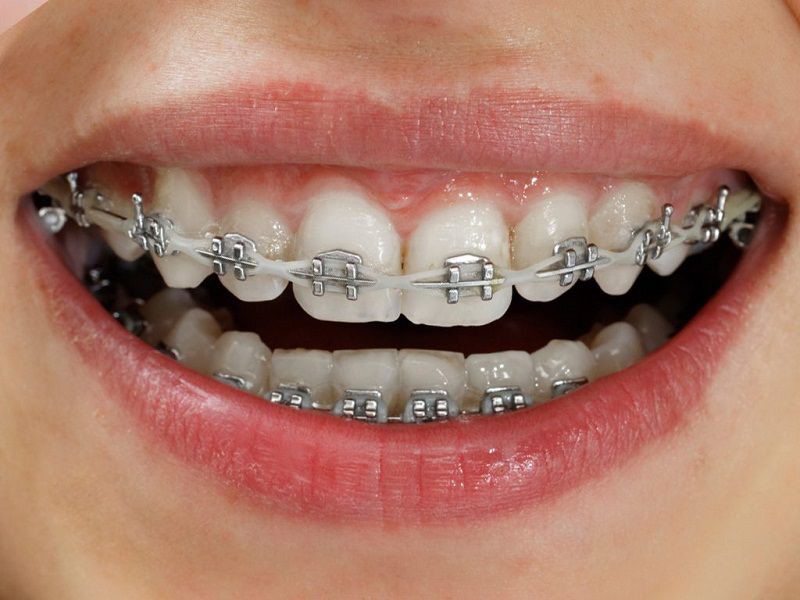
Friction caused by orthodontic appliances.
4. Nutritional Deficiencies
Several studies have noted a link between RAS and deficiencies in:
-
Iron
-
Vitamin B12
-
Folic acid
These micronutrients play an essential role in the regeneration of the oral mucosa.
5. Hormonal Changes
RAS is more common in women and may be linked to hormonal fluctuations during different phases of the physiological cycle.
6. Systemic Diseases
In some cases, recurrent mouth ulcers can be associated with:
-
Crohn’s disease
-
Celiac disease
-
Behçet’s disease
-
Autoimmune disorders
Therefore, a comprehensive medical evaluation is essential when lesions persist or recur frequently.
Symptoms of Recurrent Aphthous Stomatitis
Before an ulcer appears, patients often experience a prodromal sensation of:
-
Tingling
-
Burning
-
Discomfort at a specific spot in the oral cavity.
Subsequently, an ulcer develops with typical characteristics:
-
Round or oval shape.
-
A greyish-yellow ulcer base.
-
Surrounded by an erythematous (red) halo.
-
Severe pain when eating, talking, or performing oral hygiene.
Classification of Recurrent Aphthous Stomatitis
1. Minor RAS
This is the most common form, accounting for about 70–85% of cases.
-
Characteristics: Size under 1 cm; mild to moderate pain; typically appears on the lips, cheeks, or tongue; heals within 7–14 days without leaving a scar.
2. Major RAS
Accounts for about 10–15% of cases.
-
Characteristics: Size from 1–3 cm; deep lesions; severe pain; takes 2–6 weeks to heal; may leave scars after recovery.
3. Herpetiform RAS
This is the least common type.
-
Characteristics: Multiple tiny, pinhead-sized ulcers; 10–100 lesions can appear simultaneously and may coalesce into large plaques; not related to the Herpes simplex virus; causes widespread burning pain in the oral cavity.
How is Recurrent Aphthous Stomatitis Treated?
Currently, there is no specific treatment to completely cure RAS. The primary goals of management are to:
-
Alleviate pain.
-
Shorten healing time.
-
Reduce the frequency of recurrence.
-
Improve quality of life.
Recommended Supportive Measures
-
Avoid spicy, hot, acidic, or hard foods.
-
Limit carbonated drinks and alcohol.
-
Use a soft-bristled toothbrush.
-
Avoid toothpaste containing Sodium Lauryl Sulfate (SLS).
-
Rinse your mouth according to your dentist’s instructions.
-
Take micronutrient supplements if a deficiency is identified.
Low-Level Laser Therapy – A Promising Adjunctive Treatment
In recent years, Low-Level Laser Therapy (LLLT) has gained significant attention in managing RAS. This method helps to:
-
Provide rapid pain relief.
-
Accelerate wound healing.
-
Stimulate tissue regeneration.
-
Improve localized blood circulation.
-
Reduce local inflammatory responses.
Treatment efficacy is usually higher when performed during the early stages, just as the patient begins to feel a burning or tingling sensation.
How to Prevent Recurrent Aphthous Ulcers
To minimize the risk of recurrence, patients should:
Maintain a healthy lifestyle
-
Get enough sleep.
-
Manage and reduce stress.
-
Increase physical activity.
Maintain a balanced diet
-
Incorporate more green vegetables and fruits.
-
Ensure adequate intake of Vitamin B12, iron, and folic acid.
-
Drink plenty of water daily.
Practice proper oral care
-
Brush teeth gently.
-
Get regular dental check-ups.
-
Address and correct any factors causing mechanical trauma in the oral cavity.
When to See a Doctor?
Not every case of mouth sores is a standard canker sore. You should visit a dental clinic or an Oral and Maxillofacial specialist if you experience any of the following signs:
-
Ulcers lasting longer than 2 weeks.
-
Large-sized ulcers.
-
Excessively frequent recurrences.
-
Severe pain that interferes with eating.
-
Abnormal bleeding.
-
Unexplained weight loss.
-
Accompanied by a fever or swollen lymph nodes.
-
Lesions appearing concurrently on the eyes, skin, or genitals.
Important Note: Non-healing ulcers that persist, have indurated (hard) borders, or repeatedly recur at the exact same location require an in-depth examination to rule out premalignant lesions or oral cancer.
Conclusion
Recurrent Aphthous Stomatitis is a common oral mucosal condition, yet it can significantly disrupt daily activities and quality of life. Understanding its causes, recognizing early warning signs, and seeking timely specialist consultation will help manage the condition effectively and rule out underlying systemic diseases.
If you experience frequent recurrent mouth sores or have long-standing, non-healing lesions, take a proactive step and schedule a professional dental examination for an accurate diagnosis and an appropriate treatment plan.