

 11 June, 2026
Managing Class II Malocclusion with Invisalign: Efficacy, Mechanics, and Clinical Advantages
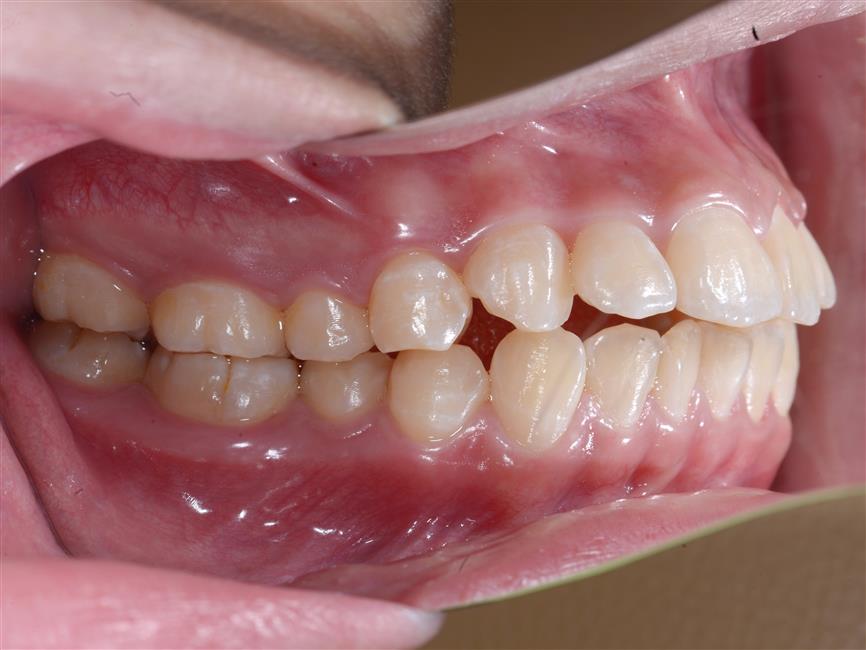
Class II malocclusion is one of the most prevalent types of orthodontic bite discrepancies, typically presenting as upper teeth protruding significantly ahead of the lower teeth (“buck teeth” or overjet) or a retrusive, backward-positioned lower jaw. Beyond compromising facial aesthetics, this condition impairs masticatory (chewing) function and can lead to Temporomandibular Joint (TMJ) disorders if left unmanaged.
With the continuously rising demand for aesthetic orthodontics, Invisalign has become a preferred treatment modality for both adult and adolescent patients.
What is Class II Malocclusion?
Class II malocclusion is clinically categorized into two main divisions:
-
Class II Division 1: Characterized by a significant forward flare (protrusion) of the maxillary central incisors, resulting in an increased overjet.
-
Class II Division 2: Characterized by lingually retroclined (tilted inward) maxillary central incisors, while the mandible (lower jaw) remains retrusive.
The underlying etiology (causes) can include:
-
Genetic Factors: Mandibular hypoplasia (underdeveloped lower jaw) or maxillary hyperplasia (overdeveloped upper jaw).
-
Deleterious Oral Habits: Long-term thumb sucking or tongue thrusting.
-
Premature Tooth Loss or developmental discrepancies of the jawbones.
What is Invisalign and How Does It Work?
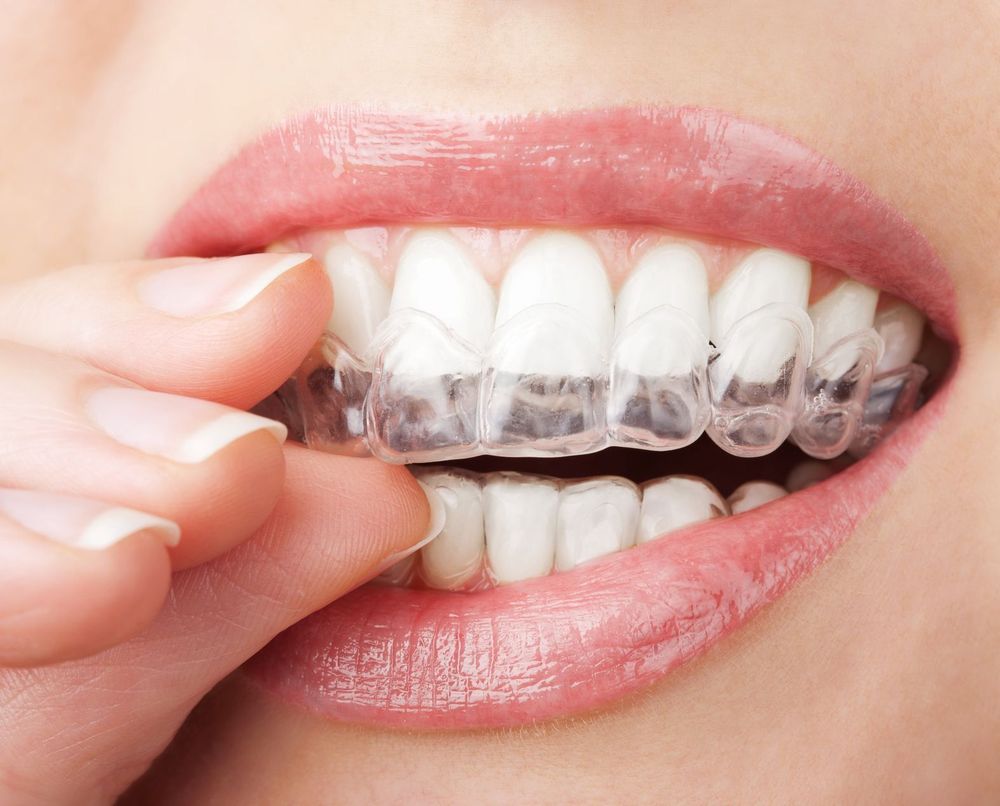
Invisalign is a system of clear, custom-engineered orthodontic aligners fabricated for each patient using advanced 3D digital imaging technology.
Mechanism of Action:
-
A sequential series of clear aligners moves the teeth incrementally into their ideal positions.
-
Each aligner stage is worn for approximately 1 to 2 weeks.
-
It delivers light, continuous, and highly controlled forces, which can offer superior biomechanical tracking compared to many traditional methods.
Is Invisalign Effective for Treating Class II Malocclusion?
The answer is yes, provided the treatment is properly indicated and meticulously managed by an experienced orthodontist.
In the correction of Class II malocclusion, the Invisalign system can incorporate multiple integrated biomechanical mechanisms:
-
Optimized Attachments: Placed on the tooth surfaces to achieve precise root torque control and predictable bodily movement of the tooth crown.
-
Class II Intermaxillary Elastics: Used to encourage forward mandibular positioning or to manage intermaxillary relationships.
-
Sequential Distalization: Moving the upper molars backward one by one into correct alignment in appropriate non-extraction cases.
-
Temporary Anchorage Devices (TADs / Mini-screws): Integrated into complex cases to maximize orthodontic anchorage control.
Mandibular Advancement (MA) Feature: A Game-Changer for Growing Patients
A major clinical advantage of the Invisalign system is its Mandibular Advancement (MA) feature, which is exceptionally effective for growing children and pre-adolescents:
-
The aligners are engineered with integrated precision wings on the sides that gently guide the lower jaw forward in structural increments.
-
It exerts a growth-modification effect on the mandible rather than merely moving dental structures.
-
It allows for simultaneous dental alignment and skeletal correction within a single, integrated system.
👉 Clinical Significance:
-
Highly effective for Class II malocclusion secondary to mandibular retrognathia (receding lower jaw).
-
Capitalizes beautifully on the pediatric “golden window” of skeletal growth.
-
Drastically reduces dependence on bulky, traditional functional appliances (e.g., Twin Block or Herbst appliances).
⚠️ Note: The MA feature can only achieve maximum orthopedic efficacy when the patient is in an active growth phase; severe skeletal discrepancies in adult patients will still require alternative treatment pathways.
Advantages of Treating Class II Malocclusion with Invisalign
-
Superior Aesthetics: Virtually invisible when worn, ensuring total discretion.
-
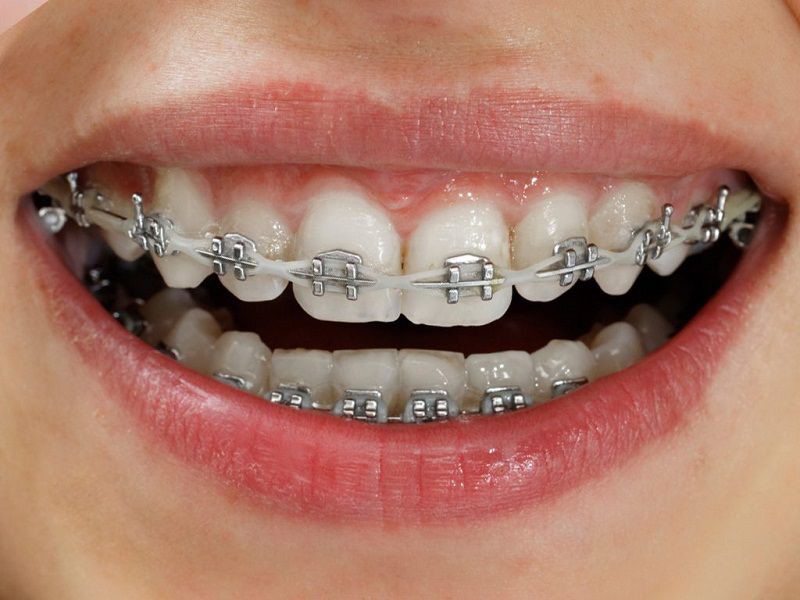
Enhanced Comfort: Smooth material eliminates the mucosal irritation, ulcerations, and abrasions common with metal brackets and wires.
-
Optimal Oral Hygiene: Aligners are completely removable, allowing for unhindered eating, brushing, and flossing.
-
ClinCheck Digital Planning: Allows patients and doctors to preview and predict the exact step-by-step treatment outcome before the first aligner is even printed.
Clinical Limitations and Considerations
Not every Class II case is instantly suited for stand-alone aligner therapy. Key limitations include:
-
Strict Reliance on Patient Compliance: Patients must be disciplined enough to wear the aligners for 20 to 22 hours per day.
-
Severe Skeletal Discrepancies: Massive jaw imbalances may require a combined approach using orthopedic functional appliances (in growing children) or orthognathic surgery (jaw surgery) in skeletally mature adults.
-
Technique Sensitivity: Precise force and torque control require an orthodontist with extensive clinical experience in Invisalign biomechanics.
Who is an Ideal Candidate?
-
Adults or teenagers with high aesthetic demands during treatment.
-
Individuals presenting with mild to moderate Class II malocclusion.
-
Highly self-disciplined patients committed to the required daily wear-time.
Conclusion
Treating Class II malocclusion with Invisalign is a highly effective, modern orthodontic solution when backed by proper case selection and experienced clinical management. This advanced technique does not just elevate the aesthetics of your smile and profile; it optimizes your long-term chewing dynamics, bite stability, and overall joint health.
If you are currently dealing with protruding upper teeth or a receding lower jaw, schedule an evaluation with an orthodontic specialist to receive an accurate diagnostic breakdown and a customized treatment plan.
Nhu Ngoc Dental Clinic