

 11 June, 2026
What is a Dental Filling? Why It Is Far More Than Just “Plugging a Cavity”
Many people still believe that getting a dental filling is simply a matter of patching up a decayed tooth. However, in modern dentistry, crown restoration via dental filling is a highly precise restorative technique aimed at reconstructing lost tooth anatomy, ensuring proper chewing function, maintaining aesthetics, and protecting the natural tooth over the long term.
When a tooth is decayed, chipped, fractured, or worn down, its crown structure becomes compromised. If left untreated, bacteria can penetrate deeper into the dentin, causing pulpitis (root canal infection), chronic pain, and eventually leading to tooth loss.
A high-quality filling does more than just eliminate sensitivity or stop food from getting trapped; it acts as a protective shield, allowing the tooth to function healthily for many years to come.
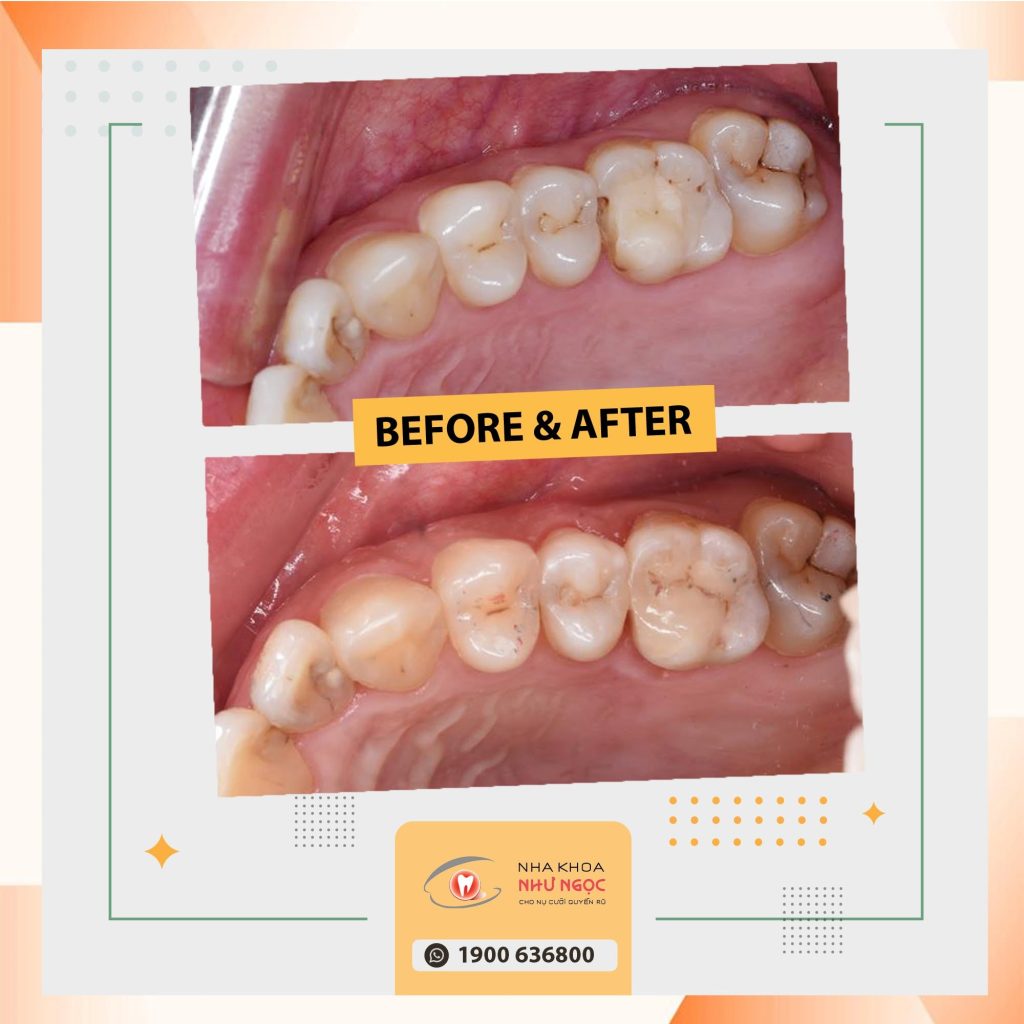
Objectives of Dental Crown Restoration
Eliminating Damage and Preventing Secondary Decay
The primary goal of a dental filling is to completely remove decayed, infected, or weakened tooth structure while re-establishing a hermetic seal over the dental crown.
When performed correctly, the filling material bonds securely to the tooth tissue, blocking out saliva, food debris, and bacteria. This is a critical factor in minimizing the risk of secondary decay (cavities forming underneath the filling).
Restoring Chewing Function
A restored tooth must be able to withstand daily biting forces and function naturally.
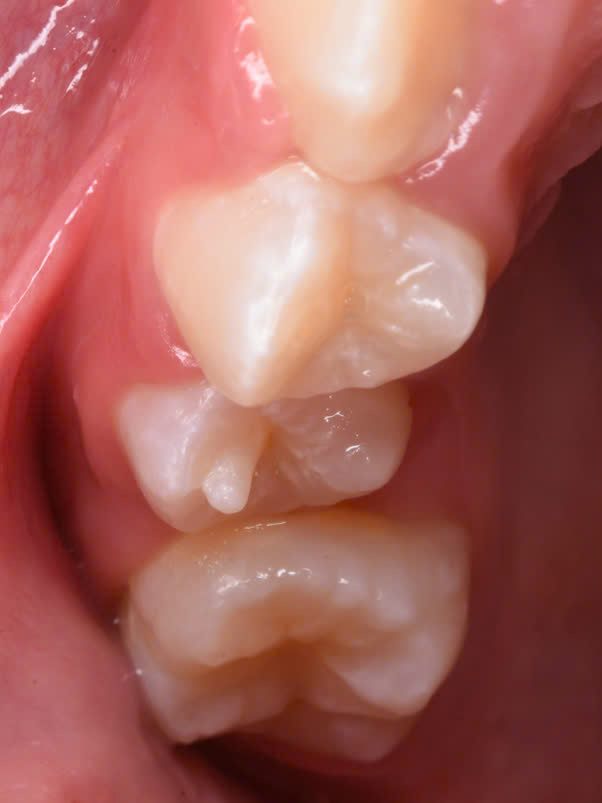
Particularly for molars, the dentist must precisely replicate the cusps, grooves, and contact points with neighboring teeth. If the restored anatomy is inaccurate, the patient may experience:
-
A high bite (occlusal high spots)
-
Chronic food impaction
-
Pain or discomfort while chewing
-
Gum inflammation in the interdental spaces
Ensuring Natural Aesthetics
With the advancement of modern dental materials—especially cosmetic composite resins—dentists can restore the color, translucency, and anatomy of a tooth to look almost identical to real enamel.
This is particularly crucial for front teeth (anterior teeth), where the restoration directly impacts the patient’s smile and self-confidence.
Modern Dental Restoration Methods
Composite Fillings
This is currently the most popular restorative method.
-
Advantages:
-
Matches natural tooth color seamlessly
-
Maximizes preservation of healthy tooth structure
-
Completed quickly in a single appointment
-
Highly aesthetic
-
Easily repairable if needed
-
Composite resin is highly versatile and suitable for both front and back teeth.
Glass Ionomer Cement (GIC) Fillings
This material is typically indicated for specific clinical scenarios, such as:
-
Pediatric dental treatments (baby teeth)
-
Areas where moisture and saliva are difficult to control
-
Patients with a high risk of cavities
The standout advantage of GIC is its ability to continuously release fluoride, which helps fortify the tooth and prevent recurrent decay.
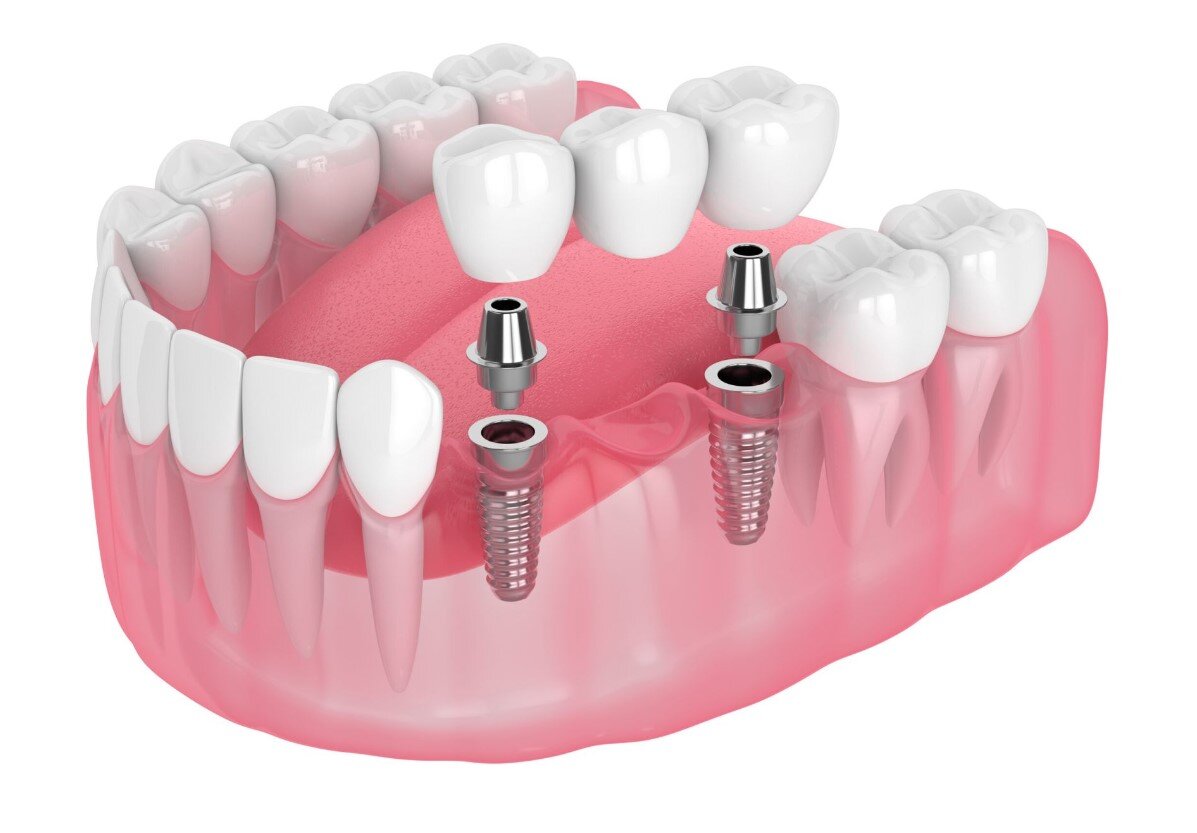
Inlays, Onlays, Overlays, and Porcelain Crowns
When a tooth has lost too much structural integrity or the remaining walls are too weak, a direct filling may no longer be the optimal choice.
In these cases, a dentist may recommend:
-
Inlays
-
Onlays
-
Overlays
-
Porcelain Crowns
These lab-fabricated restorations offer much higher durability and are ideal for teeth that bear heavy chewing loads.
Key Factors Governing the Longevity of a Filling
Precise Removal of Decayed Tissue
The removal of decay must be incredibly precise. If any decayed tissue is left behind, bacteria will continue to thrive beneath the filling. Conversely, removing too much healthy tooth structure needlessly weakens the tooth.
Absolute Moisture Control
Composite resin is an incredibly moisture-sensitive material. If saliva or blood contaminates the tooth surface during the bonding process, the adhesion will fail, drastically increasing the risk of:
-
Filling debonding (falling out)
-
Post-operative sensitivity
-
Microleakage along the margins
-
Marginal discoloration
This is why the rubber dam is considered the gold standard for isolation in modern restorative dentistry.
Exact Bonding Protocol
The adhesive protocol consists of several technique-sensitive steps:
-
Etching the tooth surface
-
Applying the bonding agent
-
Proper air-drying
-
Incremental light-curing
Every single step directly dictates the lifespan of the restoration.
Incremental Layering Technique
For large cavities, composite resin must be placed in thin, incremental layers rather than one massive bulk. This technique effectively:
-
Reduces polymerization shrinkage (material shrinking as it cures)
-
Minimizes post-operative sensitivity
-
Enhances bond strength
-
Extends the overall lifespan of the restoration
Why Do Some Teeth Feel Sensitive After a Filling?
Mild sensitivity during the first few days can be a normal post-operative reaction, especially if the cavity was deep and close to the nerve (pulp).
However, patients should return for a checkup if they experience:
-
Prolonged or throbbing pain
-
Pain when biting down
-
Spontaneous pain (pain without a trigger)
-
A persistent “high” feeling when closing the mouth
Common causes behind these symptoms include an unaligned bite (high spot), a compromised adhesive seal, residual decay, pre-existing irreversible pulpitis, or a cavity that was simply too close to the pulp chamber.
Cosmetic Fillings: An Artistic Touch
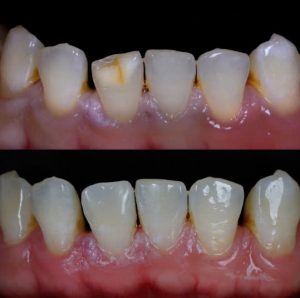
For front teeth, cosmetic filling is not just about replacing lost tissue—it is the art of recreating a smile.
A flawless aesthetic filling requires:
-
Perfect color matching with the surrounding enamel
-
Replication of natural tooth translucency
-
Meticulous anatomical shaping
-
A smooth, high-gloss polish
Once completed, the transition line between the filling material and the natural tooth should be virtually invisible to the naked eye.
When is a Dental Filling Recommended?
Fillings are the ideal choice for:
-
Mild to moderate tooth decay
-
Chipped teeth
-
Fractured incisal corners
-
Cervical wear (abrasion/abfraction at the gumline)
-
Small gaps between teeth (diastema closure)
-
Replacing old, leaking, or discolored fillings
Note: For teeth with massive structural loss, teeth that have undergone root canal therapy, or those subjected to heavy occlusal forces, alternate restorations may be advised to ensure long-term durability.
Post-Filling Care Guide
To maximize the lifespan of your dental filling, it is recommended to:
-
✅ Brush your teeth thoroughly twice a day.
-
✅ Incorporate dental floss or an oral irrigator (water flosser) into your routine.
-
✅ Avoid biting down directly on exceptionally hard objects or foods.
-
✅ Schedule professional dental checkups every 6 months.
-
✅ Visit your dentist immediately if you notice a high spot, pain, or a cracked/chipped filling.
Conclusion
Restoring a dental crown with a filling is a vital treatment that preserves natural teeth, reinstates proper chewing mechanics, and maintains a beautiful smile. A standard-setting filling must not only be perfectly sealed and durable but must also harmonize flawlessly with your bite and natural tooth anatomy.
If you spot a cavity, a chip, experience tooth sensitivity, or notice an old filling deteriorating, an early visit to the dentist is key. Prompt intervention ensures maximum preservation of your natural tooth and saves you from complex, costly treatments down the road.
Nhu Ngoc Dental Clinic