

 16 July, 2026
Composite Strip Crowns – An Esthetic and Durable Restoration for Primary Teeth
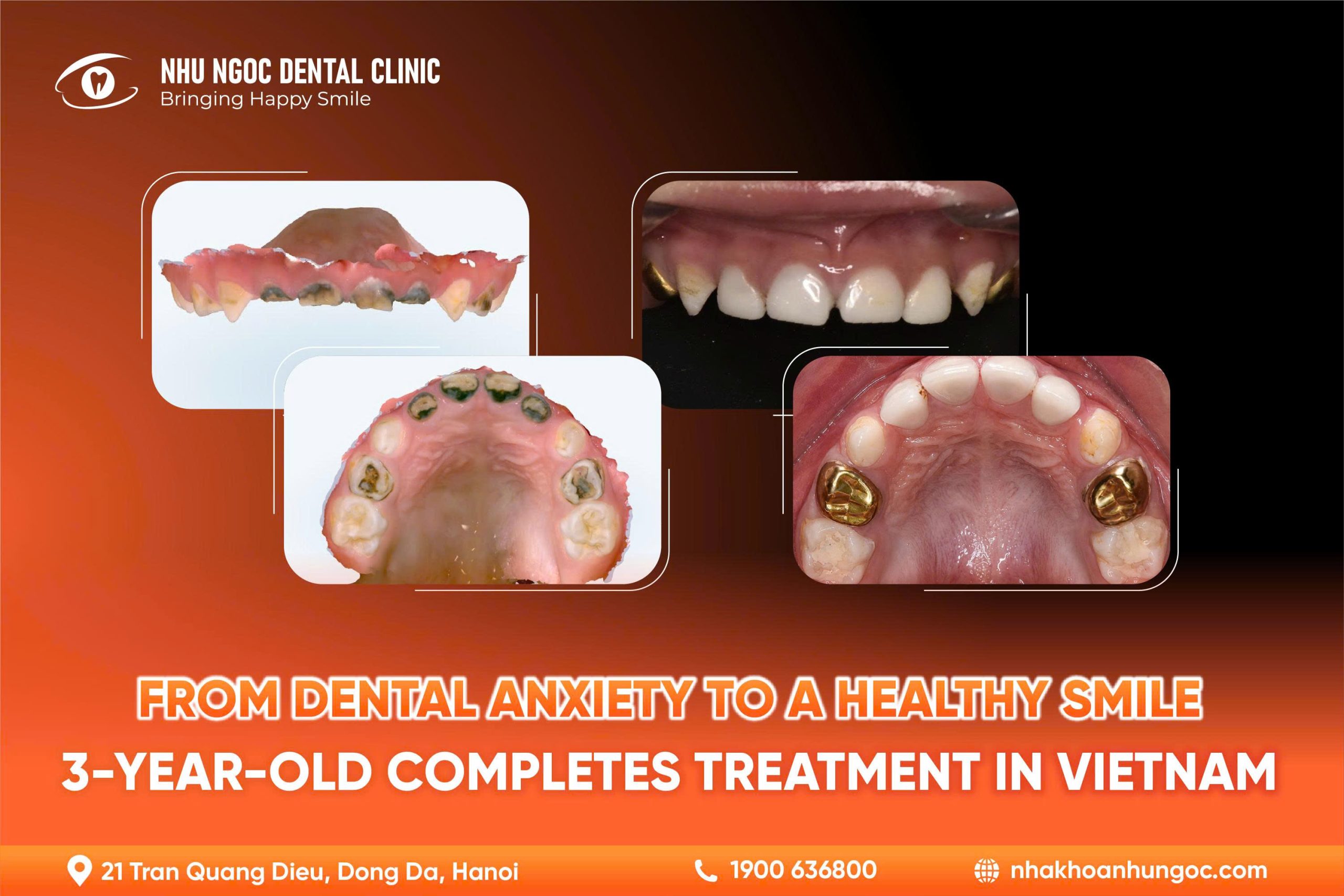
Primary teeth play an essential role in chewing, speech development, facial growth, and maintaining space for permanent teeth. When a primary tooth loses a significant amount of tooth structure due to dental caries or trauma, conventional composite fillings may no longer provide sufficient strength or longevity.
Composite Strip Crowns offer an esthetic and minimally invasive solution for restoring severely damaged primary teeth. This technique rebuilds the tooth’s natural shape, function, and appearance while preserving the remaining healthy tooth structure.
What Are Composite Strip Crowns?
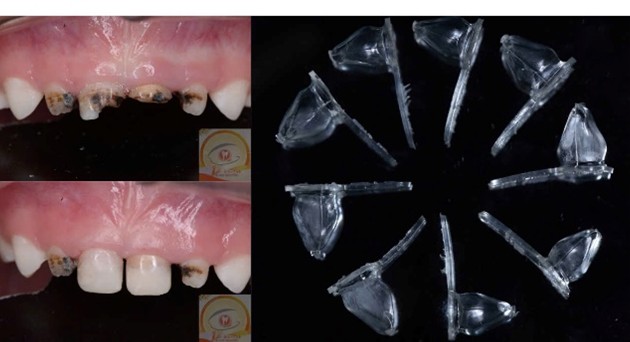
Composite Strip Crowns are esthetic full-coronal restorations designed specifically for primary anterior teeth. A transparent crown form (strip crown) is filled with light-cured composite resin and placed over the prepared tooth. After polymerization, the plastic crown form is removed, leaving behind a highly esthetic composite crown.
Compared with conventional composite fillings, Strip Crowns provide greater strength because the restoration is fabricated as a single unified structure, resulting in improved durability and superior esthetics.
This technique is commonly indicated for:
- Extensive carious lesions affecting primary teeth
- Primary teeth following pulp therapy
- Fractured or chipped primary anterior teeth
- Teeth requiring both functional and esthetic rehabilitation
Advantages of Composite Strip Crowns
Composite Strip Crowns offer several important clinical benefits:
- Natural-looking appearance that closely matches adjacent teeth
- Excellent esthetic outcomes
- Greater durability than conventional composite restorations
- Restores normal chewing and speech function
- Preserves primary teeth until their natural exfoliation
- Helps children smile and interact with greater confidence
Clinical Procedure for Composite Strip Crowns
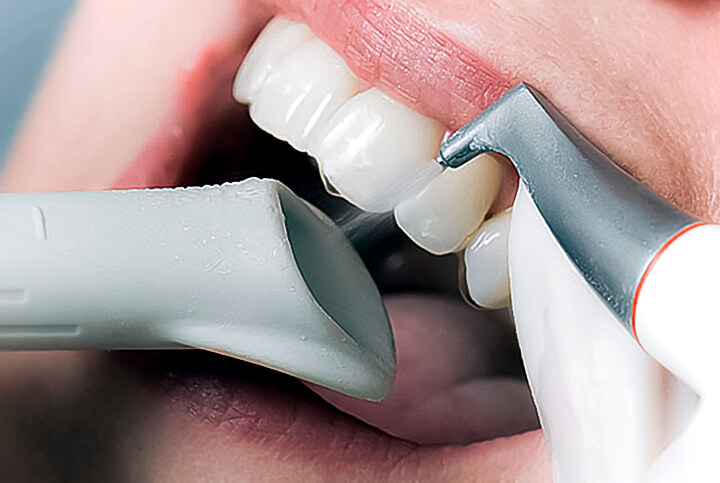
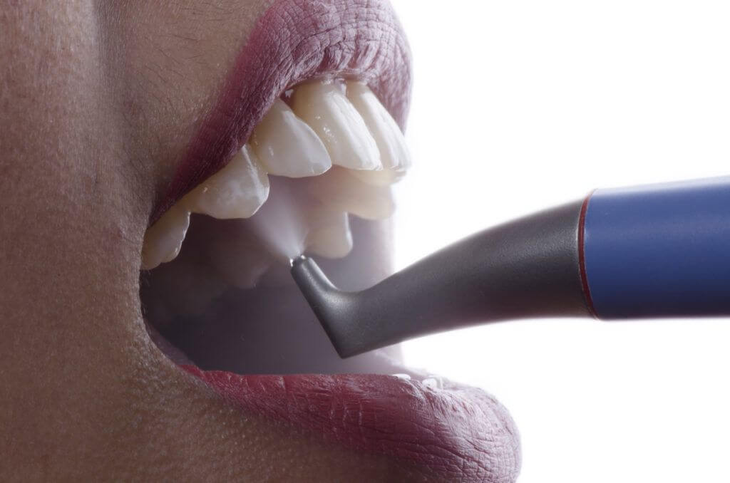
1. Oral Examination and Professional Cleaning
Before treatment, the dentist evaluates the child’s oral condition and provides oral hygiene instructions to parents.
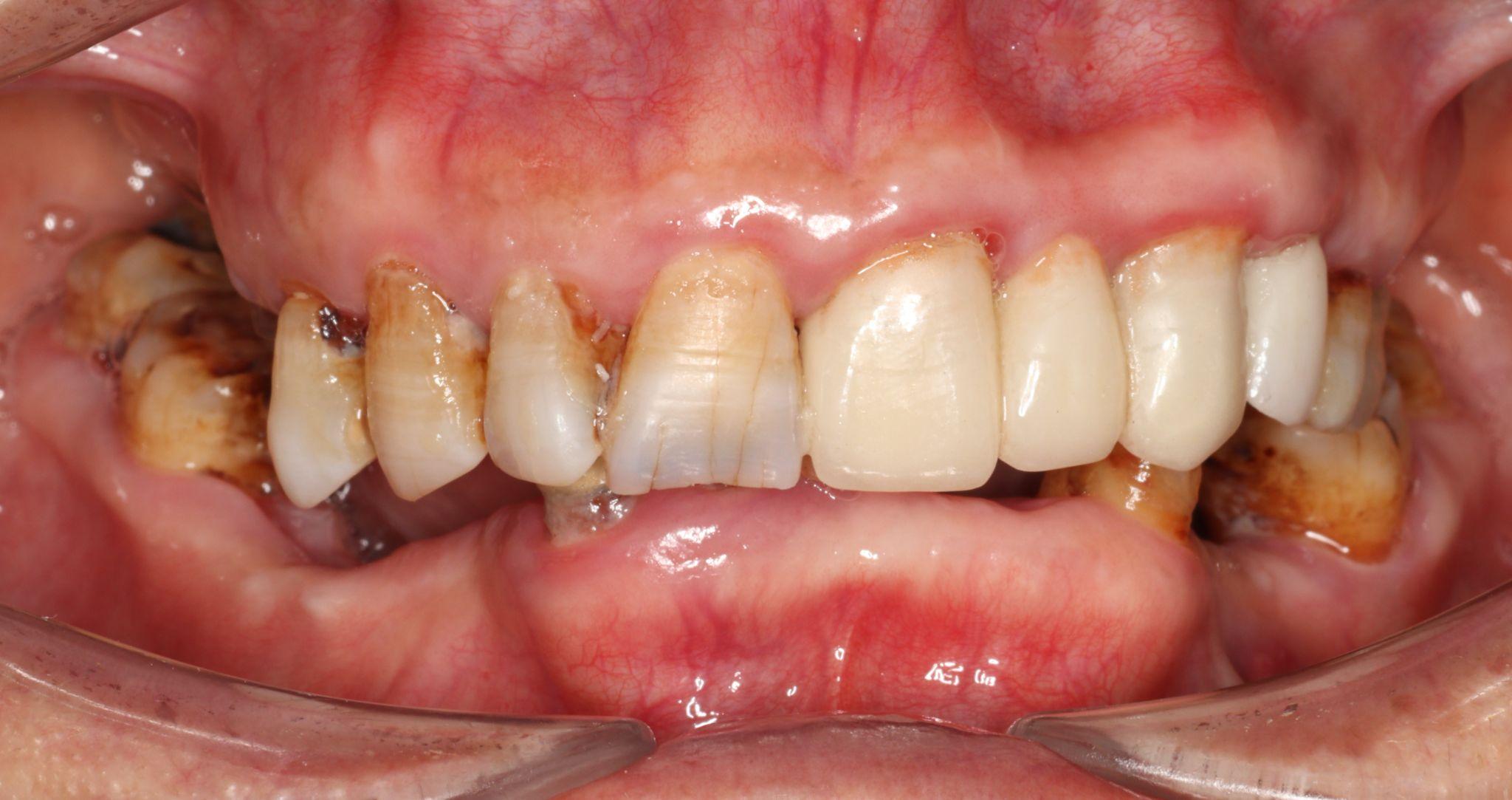
Healthy gingival tissue is essential because gingival inflammation and bleeding may interfere with bonding procedures, leading to marginal leakage or discoloration of the restoration.
Figure 1. Healthy gingival tissue prior to Strip Crown restoration.
2. Pre-Treatment Clinical Photography
Intraoral and extraoral photographs are taken to document the initial condition and evaluate treatment outcomes.
3. Composite Shade Selection
To achieve optimal esthetics, the composite resin shade is selected to match the natural tooth color.
For primary teeth, lighter shades such as A1 or A2 are commonly used.
Figure 2. Composite shade guide.
4. Tooth Measurement and Crown Selection
The mesiodistal width of the tooth is measured to select the appropriately sized Strip Crown form, ensuring proper adaptation and contour.
5. Tooth Isolation
A rubber dam is placed to isolate the treatment area from saliva and moisture.
Proper isolation is critical for achieving reliable adhesive bonding and long-term restoration success.
6. Caries Removal
All infected and softened dentin is carefully removed.
If pulp capping or pulp therapy is indicated, it is completed before proceeding with the crown restoration.
7. Strip Crown Preparation
Once the correct crown size is selected:
- Vent holes are created to prevent air entrapment.
- The cervical margin is trimmed to fit the tooth anatomy.
- The crown form is tried in to confirm proper adaptation.
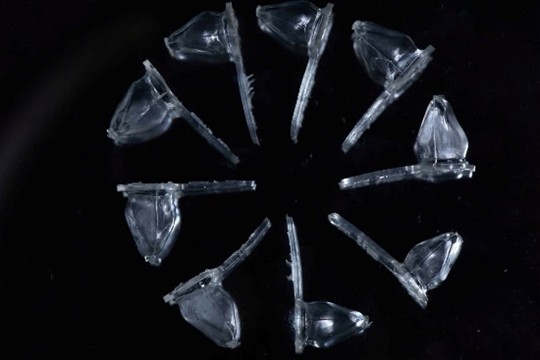
Strip Crown prepared before restoration.
8. Acid Etching and Bonding
The enamel and dentin surfaces are conditioned using the appropriate etching and bonding system recommended for the selected composite material.
The bonding agent is then light-cured according to the manufacturer’s instructions.
9. Composite Placement
The Strip Crown is filled with composite resin and carefully seated onto the prepared tooth.
After light curing, the transparent crown form is removed, and excess composite material is trimmed to reproduce the natural tooth morphology.
10. Finishing and Polishing
The final restoration is carefully adjusted and polished to ensure:
- Proper occlusion
- Smooth surface texture
- Optimal marginal adaptation
- Excellent esthetics
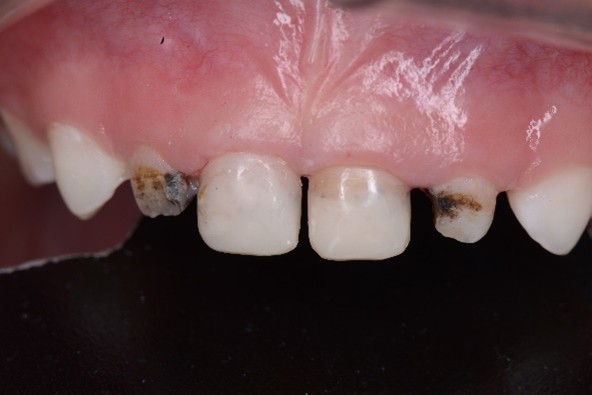
Final restoration after completion.
Post-treatment photographs are then taken to document the clinical result.
Post-Treatment Care
To maximize the longevity of Composite Strip Crowns, parents should encourage children to:
- Brush twice daily with fluoride toothpaste.
- Limit sugary foods and beverages.
- Avoid biting hard objects.
- Attend regular dental check-ups.
- Visit the dentist promptly if the restoration becomes loose, fractured, or discolored.
Why Is Early Restoration of Primary Teeth Important?
Many parents believe that primary teeth do not require treatment because they will eventually fall out. However, premature loss of primary teeth can lead to significant oral health problems, including:
- Reduced chewing efficiency
- Speech development difficulties
- Loss of space for permanent teeth
- Increased risk of malocclusion
- Negative effects on a child’s confidence and social interactions
Timely restorative treatment helps maintain healthy oral development and supports the proper eruption of permanent teeth.
Conclusion
Composite Strip Crowns are an effective esthetic restorative option for primary teeth with extensive structural damage. They restore function, preserve remaining tooth structure, and provide a natural appearance that blends seamlessly with adjacent teeth.
At Nhu Ngoc Dental Clinic, Composite Strip Crowns are performed using evidence-based clinical protocols by experienced pediatric dentists, ensuring safe, comfortable, and predictable treatment outcomes for every child.