

 16 July, 2026
Bad Breath: Don’t Just Mask the Odor—Treat the Root Cause
Have you ever felt embarrassed by unpleasant breath despite brushing your teeth every day?
You are not alone. According to numerous studies, nearly half of the world’s population experiences halitosis (bad breath) at varying levels. Beyond affecting social interactions and professional communication, persistent bad breath may also indicate underlying oral health conditions that require professional attention.
At Nhu Ngoc Dental Clinic, we encourage patients to understand bad breath from a scientific perspective rather than relying solely on products that temporarily mask unpleasant odors.
How Does Bad Breath Develop?
Approximately 90% of bad breath cases originate within the oral cavity. The primary cause is the activity of Gram-negative anaerobic bacteria.
These bacteria break down proteins from:
- Food debris
- Dead epithelial cells
- Blood and inflammatory fluids
During this process, they produce Volatile Sulfur Compounds (VSCs), particularly:
- Hydrogen Sulfide (H₂S)
- Methyl Mercaptan (CH₃SH)
These sulfur compounds are the main contributors to the characteristic unpleasant odor associated with bad breath.
Why Is the Tongue the Main Source of Bad Breath?
Contrary to popular belief, the dorsum (back surface) of the tongue harbors the highest concentration of odor-causing bacteria.
Its rough surface, filled with papillae and grooves, creates an ideal environment for:
- Plaque accumulation
- Food debris retention
- Bacterial growth
Research suggests that this area alone can contain 60–80% of the bacteria responsible for oral malodor.
This explains why many people continue to experience bad breath even after brushing their teeth thoroughly.
Factors That Can Worsen Bad Breath
In addition to bacterial accumulation, several other factors may contribute to persistent halitosis, including:
- Periodontal (gum) disease
- Dry mouth (xerostomia)
- Gastroesophageal reflux disease (GERD)
- Poor oral hygiene habits
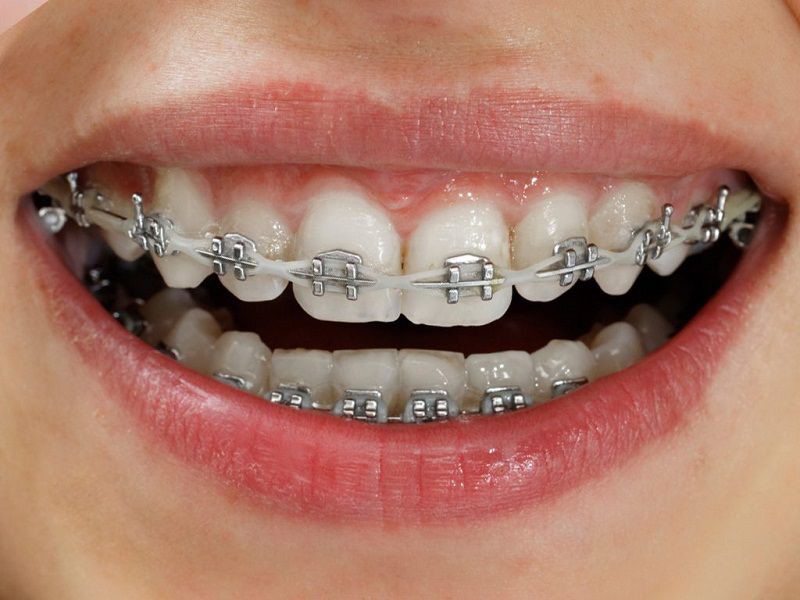
- Orthodontic appliances or dentures that are not cleaned properly
Without addressing the underlying cause, bad breath is likely to recur regardless of how often breath-freshening products are used.
Is Brushing Alone Enough?
The answer is no.
Even when performed correctly, tooth brushing only cleans approximately 25–30% of the total oral cavity.
Meanwhile, odor-causing bacteria continue to accumulate on:
- The tongue surface
- Between teeth
- Periodontal pockets
- The throat
- The tonsillar area
For this reason, a comprehensive oral hygiene routine is essential for effective long-term control of bad breath.
How Does Mouthwash Help Control Bad Breath?
Modern therapeutic mouthwashes work through different mechanisms, including:
- Reducing odor-causing bacteria
- Supporting a balanced oral microbiome
- Neutralizing volatile sulfur compounds directly
- Preventing the formation of sulfur compounds through active ingredients
In contrast, many conventional breath-freshening products rely primarily on flavoring agents that temporarily cover unpleasant odors without addressing their biological source.
Chlorhexidine vs. Chlorine Dioxide: Which Is Better?
Among the active ingredients studied for halitosis management, Chlorhexidine and Chlorine Dioxide (ClO₂) have received the greatest scientific attention.
Chlorhexidine
Chlorhexidine is recognized for its strong antimicrobial properties and has long been considered the gold standard in antibacterial mouthwash research.
However, prolonged use may lead to several side effects, including:
- Tooth staining
- Altered taste sensation
- Increased tartar accumulation
Chlorine Dioxide (ClO₂)
Today, Chlorine Dioxide (ClO₂) has become increasingly popular for bad breath management due to its effective deodorizing properties and a lower incidence of long-term side effects.
Unlike products that simply mask odors, ClO₂ works by targeting the underlying cause of halitosis through several mechanisms:
- Neutralizing volatile sulfur compounds directly
- Releasing oxygen that inhibits anaerobic bacteria
- Helping reduce dental plaque and tongue coating
Clinical studies have demonstrated that consistent use of ClO₂ may result in:
- Significant reduction in odor-causing gases
- Noticeable improvement in breath quality
- Reduced levels of bacteria associated with halitosis, including Fusobacterium nucleatum and Treponema denticola
A Science-Based Daily Routine for Managing Bad Breath
To maintain fresh breath and reduce the risk of recurring halitosis, dental professionals recommend following this routine twice daily, in the morning and before bedtime.
Step 1: Clean Thoroughly
- Brush your teeth using the correct technique.
- Clean the tongue surface.
- Floss between teeth to remove trapped food particles.
Step 2: Rinse Properly
Rinse with 15 ml of a Chlorine Dioxide (ClO₂)-based mouthwash for approximately 30 seconds, then gargle for an additional 15–30 seconds to help cleanse the throat and tonsillar region.
Step 3: Avoid Eating or Drinking Immediately
Wait at least five minutes after rinsing to allow the active ingredients to achieve maximum effectiveness.
Additional Tips for Maintaining Fresh Breath
Alongside your daily oral hygiene routine, consider the following habits:
- Drink enough water throughout the day to prevent dry mouth.
- Limit alcohol-based mouthwashes, as they may dry the oral tissues.
- Clean orthodontic appliances, retainers, and dentures regularly.
- Schedule professional dental check-ups and scaling as recommended by your dentist.
These simple habits help maintain a healthier oral environment and reduce bacterial growth over time.
When Should You Visit a Dentist?
If you have already:
- Brushed your teeth regularly
- Cleaned your tongue properly
- Used dental floss consistently
- Maintained good oral hygiene
yet your bad breath persists or frequently returns, it may be a sign of periodontal disease, tooth decay, dry mouth, or even certain systemic health conditions.
A professional dental examination can identify the underlying cause and provide an individualized treatment plan rather than simply masking the symptoms.
Nhu Ngoc Dental Clinic – Helping You Regain Fresh Breath with Confidence
Fresh breath is more than a matter of confidence—it reflects the overall health of your oral cavity.
At Nhu Ngoc Dental Clinic, our experienced dental professionals take a comprehensive approach to diagnosing the causes of halitosis and recommending personalized treatment and preventive care. We believe that lasting fresh breath begins with scientific knowledge and a consistent oral care routine.
If you have been struggling with persistent bad breath, schedule a consultation with our dental team to receive a comprehensive evaluation and professional guidance tailored to your needs.
Frequently Asked Questions (FAQ)
1. Can bad breath go away on its own?
If poor oral hygiene is the cause, improving your daily oral care routine may resolve the problem. However, bad breath related to periodontal disease or systemic health conditions requires professional diagnosis and treatment.
2. Why do I still have bad breath even though I brush my teeth?
Brushing alone cannot clean every part of the mouth. Odor-causing bacteria often remain on the tongue, between teeth, inside periodontal pockets, and at the back of the throat.
3. Should I use mouthwash every day?
Yes. Using an appropriate therapeutic mouthwash as recommended by your dentist can help reduce bacterial growth and effectively control oral malodor.
4. Can bad breath indicate an underlying health problem?
Yes. While most cases originate from the oral cavity, persistent bad breath may also be associated with conditions such as periodontal disease, dry mouth, gastroesophageal reflux disease (GERD), or other systemic disorders.