

 11 June, 2026
What is Bad Breath? Understanding Halitosis, Its Causes, and Scientific Solutions
Bad breath, clinically known as halitosis, is a condition characterized by a persistent, unpleasant breath odor that significantly impacts social interactions, psychological well-being, and daily self-confidence. It is an incredibly common oral health issue, affecting nearly 50% of the population worldwide.
Notably, approximately 90% of all halitosis cases originate directly within the oral cavity, rather than from the stomach as many commonly assume.

The Mechanism Behind Oral Malodor
The primary cause of bad breath is the activity of anaerobic Gram-negative bacteria residing in the mouth. These bacteria break down organic substrates, including:
-
Residual food particles
-
Desquamated (shed) epithelial mucosal cells
-
Blood and inflammatory exudates
This metabolic process produces Volatile Sulfur Compounds (VSCs), the most common of which are:
-
Hydrogen Sulfide ()
-
Methyl Mercaptan ()
These compounds are the actual culprits behind the distinct, unpleasant odor detected in the breath.
The Dorsum of the Tongue – The Largest Reservoir for Odor-Causing Bacteria
Many people meticulously brush their teeth every day yet still struggle with persistent bad breath. One of the most frequently overlooked causes is the dorsum (back surface) of the tongue.
With its complex anatomy of deep fissures and specialized papillae, the tongue surface serves as an ideal environment for:
-
Plaque accumulation
-
Food debris entrapment
-
Bacterial proliferation
Clinical studies demonstrate that the dorsum of the tongue can harbor between 60% to 80% of the total odor-producing bacteria found in the entire oral cavity.
Factors That Aggravate Halitosis
Beyond tongue-dwelling bacteria, several other factors contribute to or worsen bad breath:
Periodontal Disease
Gingivitis and periodontitis lead to the formation of periodontal pockets. These pockets are deep, low-oxygen spaces heavily colonized by anaerobic bacteria, drastically increasing the output of foul-smelling VSCs.
Xerostomia (Dry Mouth)
Saliva acts as a natural cleansing agent and bacterial regulator. When salivary flow decreases, bacteria multiply exponentially, leading to severe breath malodor.
Systemic Diseases
Certain underlying medical conditions can also contribute to chronic halitosis, including:
-
Gastroesophageal Reflux Disease (GERD)
-
Chronic sinusitis
-
Tonsillitis
-
Specific metabolic disorders
Why Brushing Alone is Simply Not Enough
It is a common misconception that thorough toothbrushing alone can completely eradicate bad breath. In reality, traditional brushing only cleans about 25% to 30% of the total surface area of the oral cavity.
Hard-to-reach areas remain breeding grounds where bacteria continuously produce malodorous compounds:
-
The dorsum of the tongue
-
Interdental spaces (between the teeth)
-
Periodontal pockets
-
The pharynx and tonsillar region
This is why incorporating complementary hygiene practices is vital to effectively controlling halitosis.
Categories of Antimicrobial Mouthwashes for Halitosis
Modern therapeutic mouthwashes are engineered with distinct mechanism-based approaches:
-
Eradicating Odor-Causing Bacteria: Directly reducing the absolute load of anaerobic bacteria in the oral cavity.
-
Balancing the Oral Microbiome: Supporting a stable microbial environment to suppress the overgrowth of pathogenic bacteria.
-
Neutralizing Volatile Sulfur Compounds: Chemically targeting and breaking down existing odor compounds rather than merely masking them.
-
Utilizing Metal Salts: Inhibiting the chemical pathway that forms volatile sulfur gases in the first place.
Conversely, mass-market cosmetic mouthwashes rely heavily on strong flavorings to temporarily mask odors, failing to address the root biological cause.
Chlorhexidine vs. Chlorine Dioxide (): The Two Most Researched Active Ingredients
Chlorhexidine (CHX)
Chlorhexidine is widely regarded as the historical gold standard reference in antimicrobial mouthwash research due to its powerful bacterial control. However, prolonged use can result in undesirable side effects, including:
-
Extrinsic tooth staining
-
Alterations in taste perception (dysgeusia)
-
Accelerated calculus (tartar) accumulation
Chlorine Dioxide ()
In recent years, Chlorine Dioxide has gained substantial scientific interest for managing halitosis via a highly effective chemical pathway, showing fewer reported long-term side effects.
operates by:
-
✅ Directly neutralizing foul-smelling volatile sulfur compounds through oxidation.
-
✅ Introducing oxygen to the environment, which inhibits the growth of strict anaerobic bacteria.
-
✅ Assisting in the reduction of plaque biofilm on teeth and the tongue surface.
Clinical studies show that within 12 hours of use—and maintained over a 2-week period— achieves:
-
A measurable reduction in the concentration of VSC gases.
-
Significant improvement in objective breath odor assessment scores.
-
A reduction in key halitosis-associated bacterial strains, such as Fusobacterium nucleatum and Treponema denticola.
A Scientific Oral Care Routine to Control Bad Breath
For optimal results, establish a structured oral hygiene routine twice daily, in the morning and at night.
-
Step 1: Mechanical Cleansing
-
Brush teeth using proper technique.
-
Clean the tongue surface thoroughly using a tongue scraper.
-
Floss or use an oral irrigator to clear the interdental spaces.
-
-
Step 2: Rinsing and Gargling
-
Rinse with approximately 15ml of a -based mouthwash for 30 seconds.
-
Gargle at the back of the throat for an additional 15 to 30 seconds to clean the pharyngeal and tonsillar areas.
-
-
Step 3: Post-Rinse Window
-
Avoid eating or drinking for at least 5 minutes after rinsing to allow the active ingredients to work effectively.
-
Crucial Practical Tips to Prevent Halitosis
-
✔ Maintain optimal hydration throughout the day to prevent dry mouth.
-
✔ Avoid overusing alcohol-based mouthwashes, as alcohol can dehydrate the oral mucosa.
-
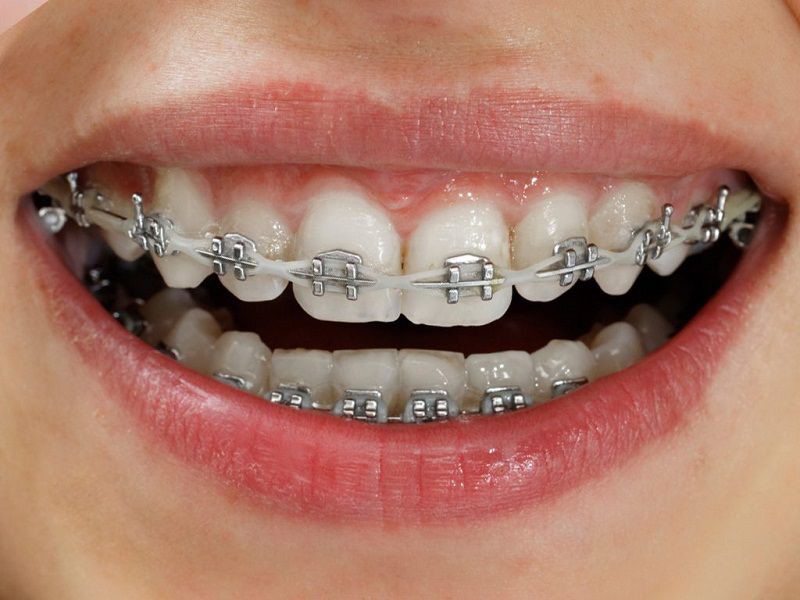
✔ Regularly clean orthodontic appliances, dentures, or clear retainers.
-
✔ Schedule professional dental checkups every 6 months to detect and treat oral diseases early.
When to Consult a Dentist
If you practice rigorous oral hygiene but your bad breath still lasts for several weeks, recurs frequently, or shows no improvement after changing your care habits, it is time to see a professional.
Halitosis is multifactorial, spanning intraoral causes and systemic diseases. A precise diagnosis by a dental specialist is key to securing an effective, long-term solution.
Conclusion
Halitosis is not merely a social inconvenience; it can be an indicator of underlying oral or systemic pathology. Understanding the biological mechanisms of breath malodor and implementing a scientifically backed hygiene regimen is the absolute key to successful management.
Beyond standard brushing and flossing, dedicated tongue cleaning and the use of targeted agents like Chlorine Dioxide () can vastly improve breath quality. However, for chronic or stubborn cases, a thorough clinical evaluation remains necessary to target the root cause.
Nhu Ngoc Dental Clinic