

 25 July, 2026
Fruits are an important source of vitamins, minerals, and dietary fiber that support overall health. However, not every fruit is equally beneficial for your teeth when consumed improperly. Some fruits contain natural sugars and organic acids that may increase the risk of tooth decay and enamel erosion.
So, which fruits should you choose to promote both your overall health and your oral health? Let’s explore the recommendations from the dental professionals at Nhu Ngoc Dental Clinic.
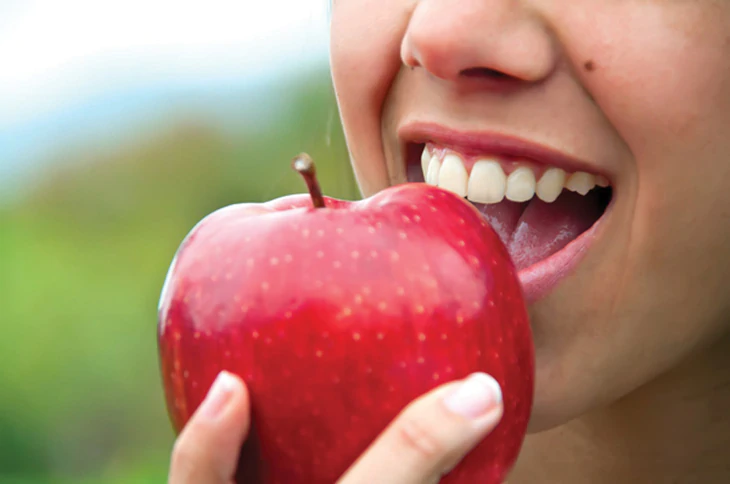
Choosing the right fruits to prevent tooth decay – Advice from Dentist Nhu Ngoc. Photo: Internet.
Why Can Fruits Affect Oral Health?
Although fruits are natural foods, many varieties contain:
- Natural sugars (fructose and glucose).
- Organic acids such as citric acid and malic acid.
When sugar remains on the tooth surface, bacteria in dental plaque convert it into acids. These acids gradually demineralize tooth enamel, creating favorable conditions for tooth decay. Meanwhile, highly acidic fruits can temporarily soften enamel if consumed frequently.
The key is not to avoid fruits, but to choose the right types and consume them properly.
Fruits That Are Good for Your Teeth
Apples
Apples are rich in dietary fiber, and their crisp texture helps clean the tooth surface while chewing. They also stimulate saliva production, which helps neutralize acids in the mouth.
In addition, vitamin C and antioxidants found in apples contribute to healthier gums.
Tip: Drink a glass of water after eating an apple to help rinse away residual natural sugars.
Pears
Pears have a high water content, low acidity, and are less likely to erode tooth enamel than many other fruits.
They are an excellent choice for people with sensitive teeth or enamel sensitivity.
Strawberries, Blueberries, and Black Grapes
Berries are rich in polyphenols and anthocyanins, which may help inhibit the growth of bacteria responsible for tooth decay.
For better enamel protection, enjoy them with plain yogurt or cheese to provide calcium and help neutralize acidity.
Bananas and Cantaloupe
These fruits are naturally low in acidity, non-sticky, and rich in potassium and magnesium.
If you need a healthy energy boost while protecting your teeth, bananas and cantaloupe are excellent choices.
Fruits That Should Be Consumed in Moderation
Acidic Fruits
Oranges, lemons, grapefruits, pineapples, and grapes contain high levels of citric acid, which may temporarily soften tooth enamel.
To minimize their effects:
- Eat them as part of your main meals.
- Drink water afterward.
- Wait approximately 30–60 minutes before brushing your teeth.
Dried Fruits
Raisins, dried mangoes, dried bananas, and fruit preserves contain concentrated natural sugars and tend to stick to the spaces between teeth.
If you consume dried fruits, rinse your mouth or clean your teeth afterward to reduce the risk of cavities.
Fruit Juice
Compared with whole fruits, fruit juice contains more readily available natural sugars and less dietary fiber.
For better oral health:
- Choose fresh whole fruits whenever possible.
- If drinking fruit juice, consume it in one sitting rather than sipping throughout the day.
- Consider using a straw to minimize contact with your teeth.
How to Eat Fruits to Help Prevent Tooth Decay
Simple daily habits can effectively protect your tooth enamel:
- Eat fruits as part of your main meals rather than frequent snacks.
- Drink water after eating fruit to rinse away residual sugars and acids.
- Avoid brushing your teeth immediately after eating acidic fruits.
- Brush twice daily using fluoride toothpaste.
- Clean between your teeth with dental floss.
- Schedule a dental check-up every six months.
Beneficial Nutrients in Fruits for Oral Health
| Nutrient | Food Sources | Benefits |
|---|---|---|
| Polyphenols | Grapes, pomegranates, blueberries | Help inhibit cavity-causing bacteria |
| Proanthocyanidins | Grape seeds, blueberries | Support enamel remineralization |
| Catechins | Apples, green tea | Antioxidant and antibacterial properties |
| Vitamin C | Oranges, kiwis, strawberries | Promote healthy gums |
| Potassium & Magnesium | Bananas, cantaloupe | Support healthy teeth and jawbone |
Frequently Asked Questions
Is it okay to eat fruit after brushing my teeth?
Yes. However, if you’re eating highly acidic fruits such as oranges or pineapples, it’s better to eat them before brushing your teeth to help minimize enamel erosion.
Should children drink fruit juice?
Yes, but only in moderation. Children should avoid drinking excessive amounts of fruit juice or sipping it over long periods. Fresh whole fruits remain the healthier option.
Can fruits naturally whiten teeth?
Certain fruits such as apples, strawberries, and pineapples may help remove minor surface stains. However, they cannot replace professional teeth whitening treatments provided by a dentist.
Advice from Nhu Ngoc Dental Clinic
Fruits are an essential part of a healthy diet. To effectively reduce the risk of tooth decay, we recommend:
- Choose fresh fruits that are high in fiber and low in acidity.
- Limit dried fruits and sugary fruit juices.
- Drink water after eating fruit.
- Avoid brushing immediately after consuming acidic fruits.
- Visit your dentist regularly to detect early signs of tooth decay or enamel erosion.
If you frequently experience cavities, tooth sensitivity, or signs of enamel wear, visit Nhu Ngoc Dental Clinic for a comprehensive examination and personalized oral health recommendations.
Conclusion
Fruits provide numerous health benefits, but choosing the right varieties and consuming them properly can also help protect your teeth. A balanced diet, good oral hygiene habits, and regular dental check-ups are the keys to maintaining strong, healthy teeth and a confident smile.