

 22 July, 2026
I. Why is Proper Aftercare Necessary Following Wisdom Tooth Extraction?
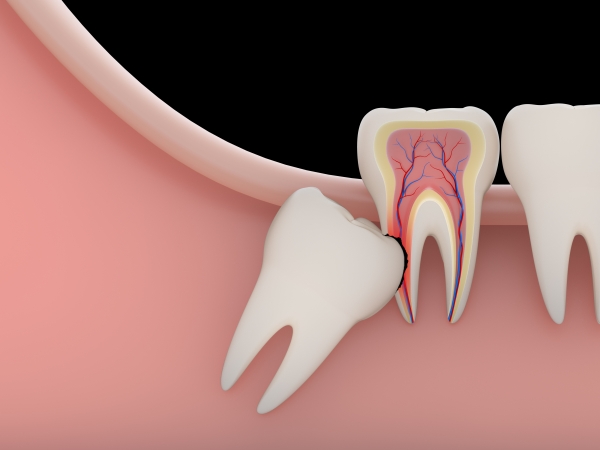
Impacted wisdom teeth
Wisdom teeth are the last teeth to erupt in the jaw arch and often lack sufficient space to emerge in the correct position. Therefore, wisdom teeth are prone to becoming misaligned, impacted, or only partially erupted, causing pain, gingivitis, adjacent tooth decay, and many other complications. In these cases, wisdom tooth extraction is a common treatment indication.
However, extracting a wisdom tooth is not merely a standard tooth extraction but a minor dental surgery. After the surgery, patients may experience mild swelling, pain, and bleeding. If not cared for properly, the risk of dry socket, infection, or delayed wound healing will increase significantly.
Therefore, the outcome of the extraction depends not only on the dentist’s technique but also heavily on home care during the first few days post-surgery.
II. Important Principles After Wisdom Tooth Extraction
1. Do not rinse forcefully or spit during the first 24 hours After tooth extraction, the body will form a blood clot at the extraction site. This is a natural protective layer that helps stop bleeding, prevents bacterial invasion, and creates conditions for new tissue to develop. If you rinse too forcefully, spit continuously, or use a straw during this stage, the blood clot can become dislodged, increasing the risk of bleeding, causing more pain, and leading to dry socket.
2. Apply cold and warm compresses at the right time During the first 24 hours, you should apply a cold compress to the outside of the cheek for about 15–20 minutes at a time, rest for 15–20 minutes, and then continue if necessary. Cold compresses help constrict blood vessels, effectively reducing swelling and pain. After about 48 hours, if there is still a feeling of tightness or a dull ache, you can switch to a warm compress to increase blood circulation, helping the soft tissue recover faster.
3. Eat properly to protect the wound In the first few days after extraction, prioritize soft, cool, or slightly warm foods such as:
-
Porridge
-
Soup
-
Milk
-
Yogurt
-
Smoothies (do not use a straw)
At the same time, you must avoid:
-
Foods that are too hot
-
Spicy foods
-
Hard or crunchy foods
-
Foods that can easily get stuck in the tooth socket
Especially, do not use a straw because the suction force can dislodge the blood clot in the tooth socket.
4. Limit strenuous physical activity, no smoking, and no alcohol consumption In the first few days post-surgery, you should rest appropriately and avoid strenuous activities like jogging, lifting weights, or carrying heavy objects because they can increase blood pressure, causing the wound to bleed again. In addition, smoking and alcohol are also factors that slow down the healing process by:
-
Reducing blood circulation.
-
Drying the oral cavity.
-
Increasing the risk of infection and dry socket.
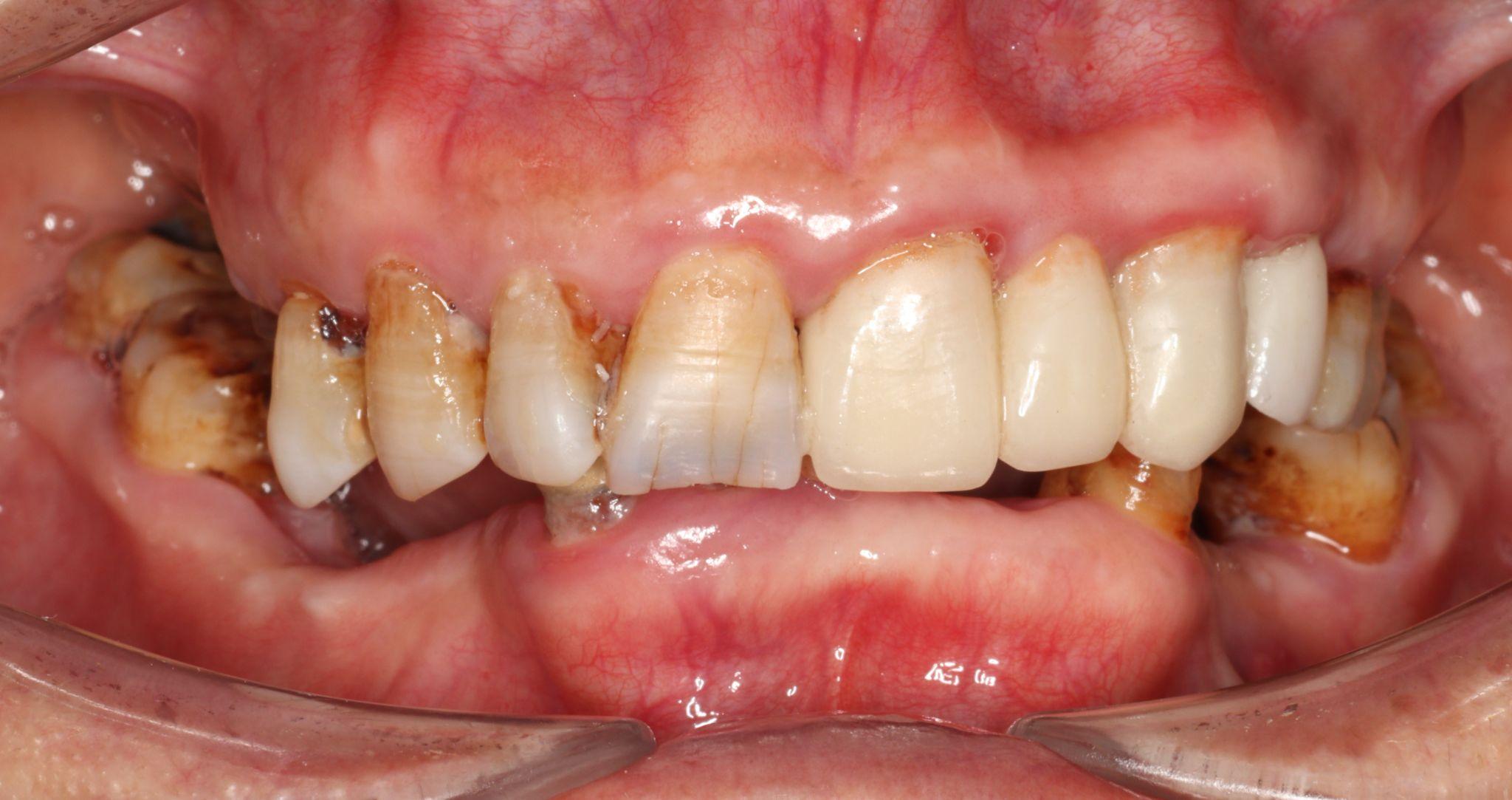
5. Maintain proper oral hygiene Keeping the oral cavity clean is a crucial factor in preventing infection after tooth extraction. Patients should still brush their teeth daily but must do so gently, avoiding direct contact with the newly operated area. Besides, using a suitable mouthwash also contributes to reducing the amount of bacteria in the oral cavity and supports the healing process.
III. The Role of Alcohol-Free Mouthwash Containing Chlorhexidine
1. Chlorhexidine effectively controls bacteria Chlorhexidine is a broad-spectrum antibacterial agent capable of destroying both Gram-positive and Gram-negative bacteria—the common agents causing infections in the oral cavity. After wisdom tooth extraction, using a mouthwash containing chlorhexidine exactly as directed helps reduce the amount of bacteria around the tooth socket, thereby limiting the risk of infection and supporting healing.
2. Why choose an alcohol-free type? Many mouthwashes contain alcohol which can cause a burning sensation, dry the oral mucosa, and make the surgical area more uncomfortable. Conversely, alcohol-free mouthwashes are gentler, do not damage soft tissues, yet maintain the antibacterial efficacy of chlorhexidine, making them suitable for people who have just undergone minor dental surgery.
3. Proper usage instructions To achieve optimal results, it should be used according to the following principles:
-
Only start rinsing at least 24 hours after the tooth extraction.
-
Rinse 2–3 times a day, after eating and after brushing your teeth.
-
Rinse for about 30 seconds each time, do not swallow the solution.
-
Do not eat or drink for 30 minutes after rinsing.
4. Precautions when using
-
Do not use chlorhexidine continuously for more than 14 days unless directed by a doctor.
-
During use, the teeth or tongue may be slightly stained. This is a temporary phenomenon and will improve after stopping use or being cleaned at the dental clinic.
-
If irritation or abnormal reactions occur, discontinue use and consult a doctor.
IV. Modern Technologies Assisting in Pain Relief and Healing After Wisdom Tooth Extraction
Besides proper home care, many modern technologies also help reduce postoperative discomfort and accelerate the recovery process.
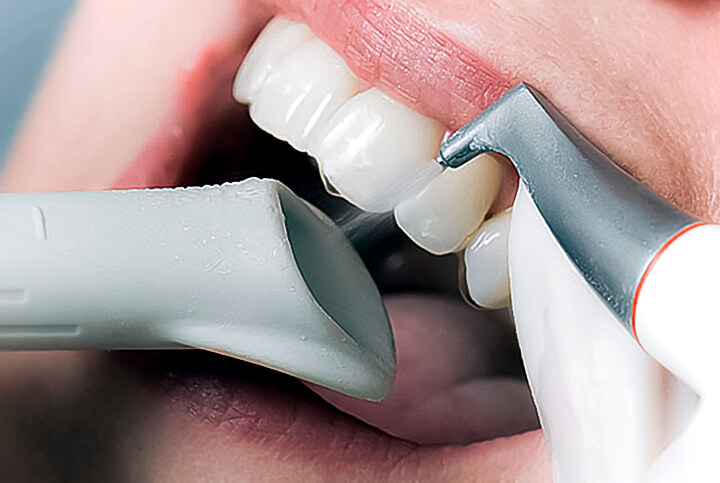
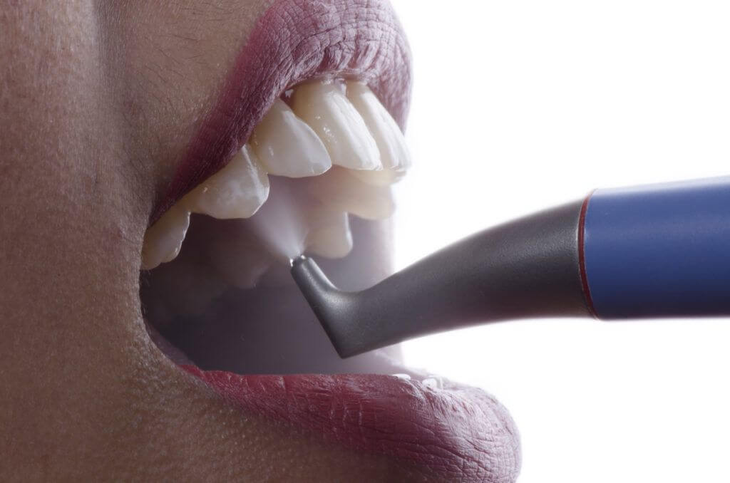
1. Low-Level Laser Therapy (LLLT) Low-level laser operates on the mechanism of photobiological stimulation, helping to:
-
Reduce pain.
-
Reduce inflammation.
-
Reduce swelling and edema.
-
Increase blood circulation.
-
Promote tissue regeneration and wound healing.
Many studies show that patients who receive laser therapy after wisdom tooth extraction often experience lower levels of pain and swelling compared to conventional care methods.
2. Platelet-Rich Fibrin (PRF) Grafting PRF is a biological preparation created from the patient’s own blood, containing a high concentration of platelets and essential growth factors. Once placed in the tooth socket, PRF helps:
-
Protect the alveolar socket.
-
Reduce pain and swelling.
-
Stimulate soft tissue and bone regeneration.
-
Reduce the risk of dry socket.
-
Shorten recovery time.
This is a safe biological method, especially useful in complex wisdom tooth extractions or those with a high risk of complications.
3. Piezotome Ultrasonic Machine Piezotome uses ultrasonic waves to cut bone precisely with virtually no damage to surrounding soft tissues. Compared to traditional bone drilling techniques, Piezotome offers many advantages:
-
Less trauma.
-
Reduced bleeding.
-
Decreased postoperative pain and swelling.
-
Minimized risk of nerve and blood vessel damage.
-
Helps patients recover faster.
This technology is particularly suitable for cases of impacted or complexly misaligned wisdom teeth.
V. When Do You Need to Return to the Dentist?
After tooth extraction, mild pain and swelling in the first few days are normal. However, you should visit the dental clinic immediately if the following signs appear:
-
Severe pain or pain that increases after 3–5 days.
-
Prolonged bleeding that does not stop.
-
Increasing swelling, accompanied by a fever.
-
Pus or abnormal fluid draining from the tooth socket.
-
Persistent bad breath despite proper oral hygiene.
-
Difficulty opening the mouth or increasingly severe difficulty swallowing.
These could be signs of a dry socket or infection that needs early treatment.
VI. Conclusion
Wisdom tooth extraction is a common minor surgery, and the recovery process will go smoothly if the patient strictly follows postoperative care instructions.
In the first few days, pay attention to proper rest, an appropriate diet, gentle oral hygiene, and use an alcohol-free mouthwash containing chlorhexidine exactly as directed by your doctor to reduce the risk of infection and support wound healing.
In addition, modern technologies such as low-level laser therapy (LLLT), PRF, and Piezotome also contribute to reducing pain, decreasing swelling, and shortening the recovery time in suitable cases.
A little carefulness after extracting your tooth today will help you have a fast recovery process and a healthy smile in the future.