

 12 June, 2026
Have you ever woken up with a sore jaw or a tension headache around your temples without knowing why? Or perhaps one day you noticed your teeth were significantly worn down, even though you hadn’t been chewing excessively? The “culprit” is highly likely to be bruxism (teeth grinding)—an involuntary habit that can cause long-term damage if not detected and managed in time.
1. What is Bruxism?
Bruxism is the involuntary clenching or grinding of the teeth. This condition is categorized into two main types:
-
Sleep bruxism: Occurs during sleep, is often associated with sleep disorders, and is difficult for the individual to self-detect.
-
Awake bruxism: Typically manifests as teeth clenching due to stress, high concentration, or anxiety.
Bruxism is a disorder with a complex mechanism. Its etiology can involve multiple factors, including psychological issues (stress, anxiety), sleep disorders, malocclusion, stimulant use (caffeine, alcohol, tobacco), or the side effects of certain medications.
Epidemiological studies indicate that bruxism is a relatively common condition within the community, affecting both adults and children. According to statistics, awake bruxism occurs in approximately 20–30% of the adult population, while sleep bruxism is recorded in about 8–16%. The actual prevalence may be even higher, as most patients are unaware of their grinding behavior, particularly when it occurs during sleep.

Consequences of the teeth grinding habit
2. How is Bruxism Diagnosed?
The majority of patients do not realize they grind their teeth. The habit is usually detected late, when patients visit a doctor for conditions such as jaw fatigue, chipped teeth, or tooth wear, and the disorder is discovered incidentally.
Suggestive Signs
Several symptoms indicate that you might be experiencing bruxism. Please visit a doctor immediately for clinical support if you experience any of the following signs:
-
Audibly loud grinding sounds during sleep (reported by family members)
-
Jaw muscle pain or fatigue upon waking up
-
Headaches in the temporal region
-
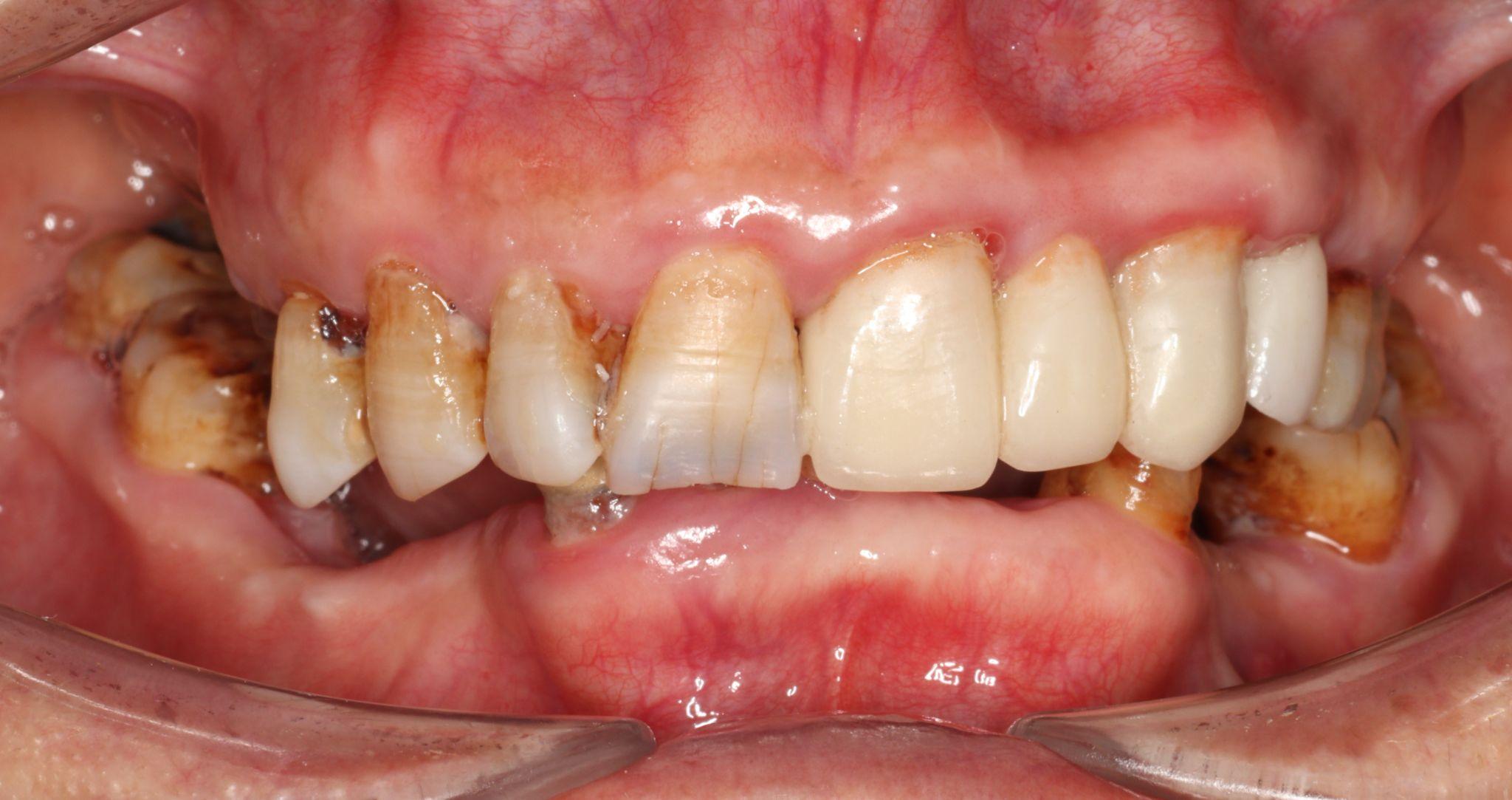
Worn occlusal (chewing) surfaces, exposing the dentin
-
Unexplained cracked or fractured teeth
-
Pain or clicking sounds in the temporomandibular joint (TMJ)
Figure 1: Severe tooth wear caused by bruxism
Specialized Diagnosis
During an Odonto-Stomatology (Dental) specialty examination, the doctor will diagnose bruxism through medical history taking and a clinical evaluation:
-
Medical history taking: Inquiring about clenching habits, stress levels, and sleep quality.
-
Clinical examination: Checking the occlusal wear of the teeth, indentations (linea alba) on the buccal mucosa, detecting cracks or damaged prostheses, tenderness upon palpation of the masticatory muscles, masseter hypertrophy, and other abnormalities of the temporomandibular joint.
-
Paraclinical testing (when necessary): Polysomnography (PSG) is the gold standard for confirming sleep bruxism in complex cases, such as when concurrent sleep apnea is suspected or when atypical clinical symptoms complicate the diagnosis. However, due to its high cost and complex procedure, PSG is an advanced diagnostic tool indicated only when necessary and is not a routine test.
3. Harmful Effects of Bruxism
The biting force exerted during bruxism is often many times greater than normal. When this harmful habit is repeated frequently throughout the day and over a long period, numerous undesirable consequences will ensue.
Tooth Damage
Excessive occlusal loading can cause progressively severe damage to the teeth, including:
-
Enamel wear and dentin exposure; in severe cases, the dental pulp may become exposed, leading to pulpitis or pulp necrosis.
-
Prolonged tooth sensitivity and discomfort.
-
Chipping, fracturing, or cracking of teeth.
-
Damage to dental restorations, such as chipping or debonding of fillings, porcelain veneers, and crowns.
If bruxism is left uncontrolled, dental injuries can become severe, causing damage to the entire dentition, leading to tooth loss, and significantly affecting both function and aesthetics.
Temporomandibular Disorders (TMD)
Bruxism can cause overloading within the masticatory muscle system and the temporomandibular joint, leading to joint dysfunction symptoms:
-
Pain and fatigue in the jaw muscles and joints
-
Restricted mouth opening (limited range of motion)
-
Clicking or popping sounds during jaw movement
Systemic Effects
In addition to localized impacts, prolonged bruxism can cause systemic manifestations, primarily related to muscle hyperactivity and sleep disruption.
-
Chronic headaches: Particularly in the temporal region, due to prolonged hyperactivity of the masticatory muscles.
-
Neck, shoulder, and nape tension: Originating from the propagation of muscle spasms from the jaw area to adjacent muscle groups.
-
Reduced sleep quality: Because bruxism is often accompanied by micro-arousals during the night, making sleep fragmented and less restorative.
4. Treatment of Bruxism
Not every case of bruxism requires active treatment. For instance, some occurrences in children may resolve spontaneously as they grow, or mild, low-frequency bruxism in adults may not cause physical damage. However, in many cases where bruxism is severe, causing damage to the teeth and joints, or impairing function and aesthetics, intervention and management are absolutely essential.
Tooth Protection
-
Night guards (occlusal splints): This is the most commonly used method. The appliance prevents direct interdental contact, redistributes clenching forces, and limits further dental damage.
-
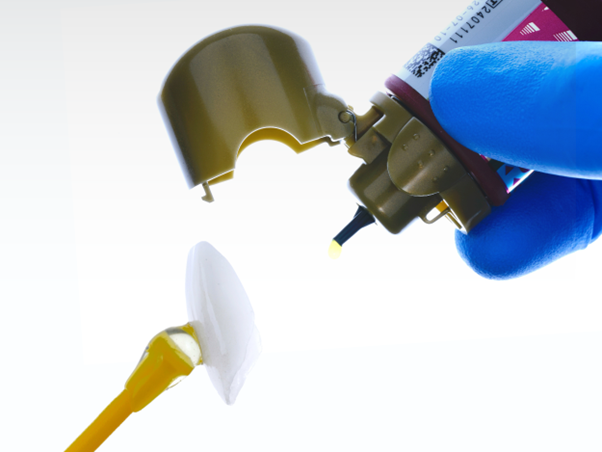
Restorative treatment: In cases where teeth are severely worn down, restorations using fillings, porcelain crowns/veneers, or other rehabilitative methods may be required to re-establish function and aesthetics.
Figure 2: Functional and aesthetic restorative treatment for dentition
Risk Factor Management
Improving sleep hygiene, limiting stimulants, managing stress, and recognizing daytime clenching habits play a crucial role in managing bruxism.
Symptomatic Muscle and Joint Treatment
When muscle pain or TMD is present, doctors may consider combining short-term muscle relaxants, physical therapy, Transcutaneous Electrical Nerve Stimulation (TENS), low-level laser therapy, or muscle stretching exercises. In certain severe cases, botulinum toxin (Botox) injections may be utilized to reduce excessive muscle contraction forces.

Dental treatment and aesthetic functional rehabilitation at Nhu Ngoc Dental Clinic
Conclusion
Bruxism is a “silent destroyer”—quietly eroding teeth, causing muscle pain, and affecting the overall quality of life. However, if detected early and treated correctly, we can completely manage this condition effectively.
Do not ignore minor signs like morning jaw fatigue or unusually worn teeth. A dental check-up can help protect your smile for many years to come.