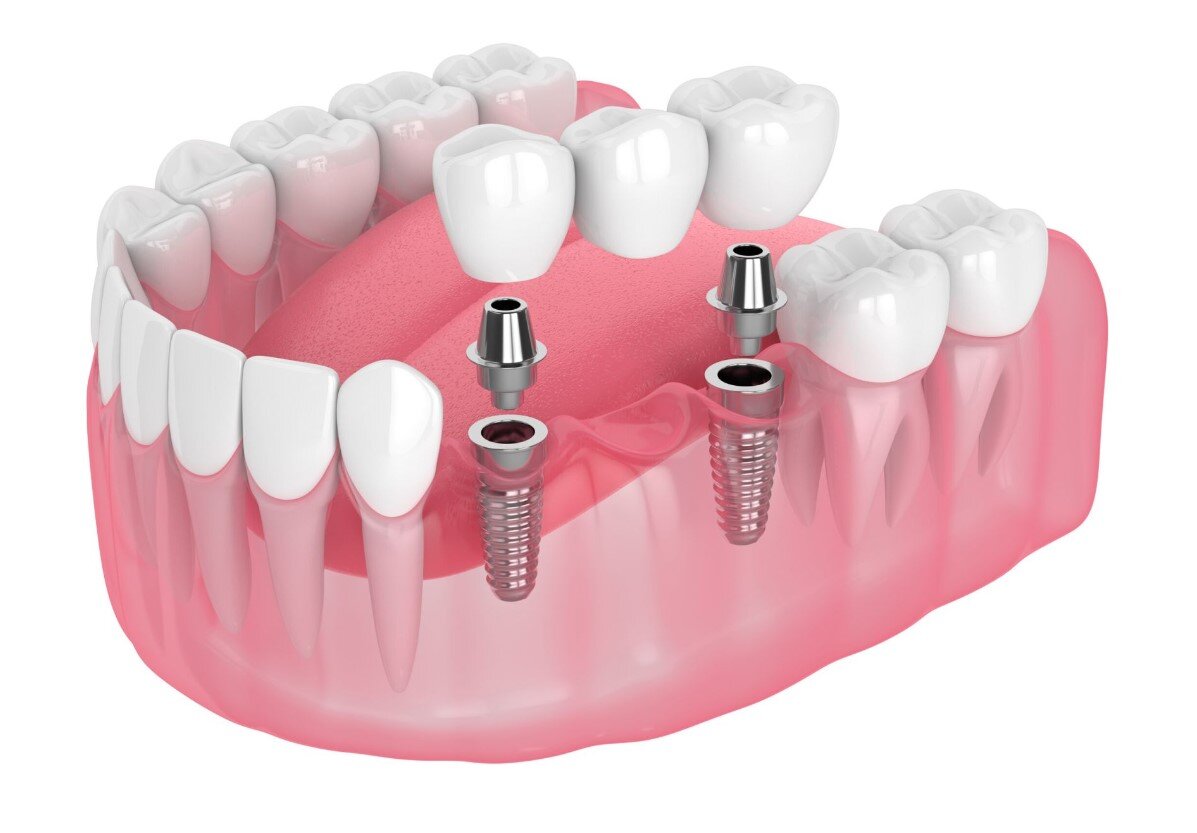


 11 June, 2026
When Do Dental Crowns Need a Checkup? 5 Warning Signs of Failing Dental Work
In recent years, cosmetic dental crowns have become a highly sought-after restorative solution, renowned for their ability to enhance both chewing function and smile aesthetics.
However, many patients mistakenly believe that once a dental crown is placed, it will remain permanently durable and beautiful without needing any further evaluation. In reality, just like any other dental restoration, porcelain crowns require routine checkups to ensure optimal functionality and to protect the health of the underlying natural tooth structure.
So, when should a dental crown be re-examined? What are the warning signs indicating your crown might be failing? Let’s explore this topic with Nhu Ngoc Dental Clinic in the article below.
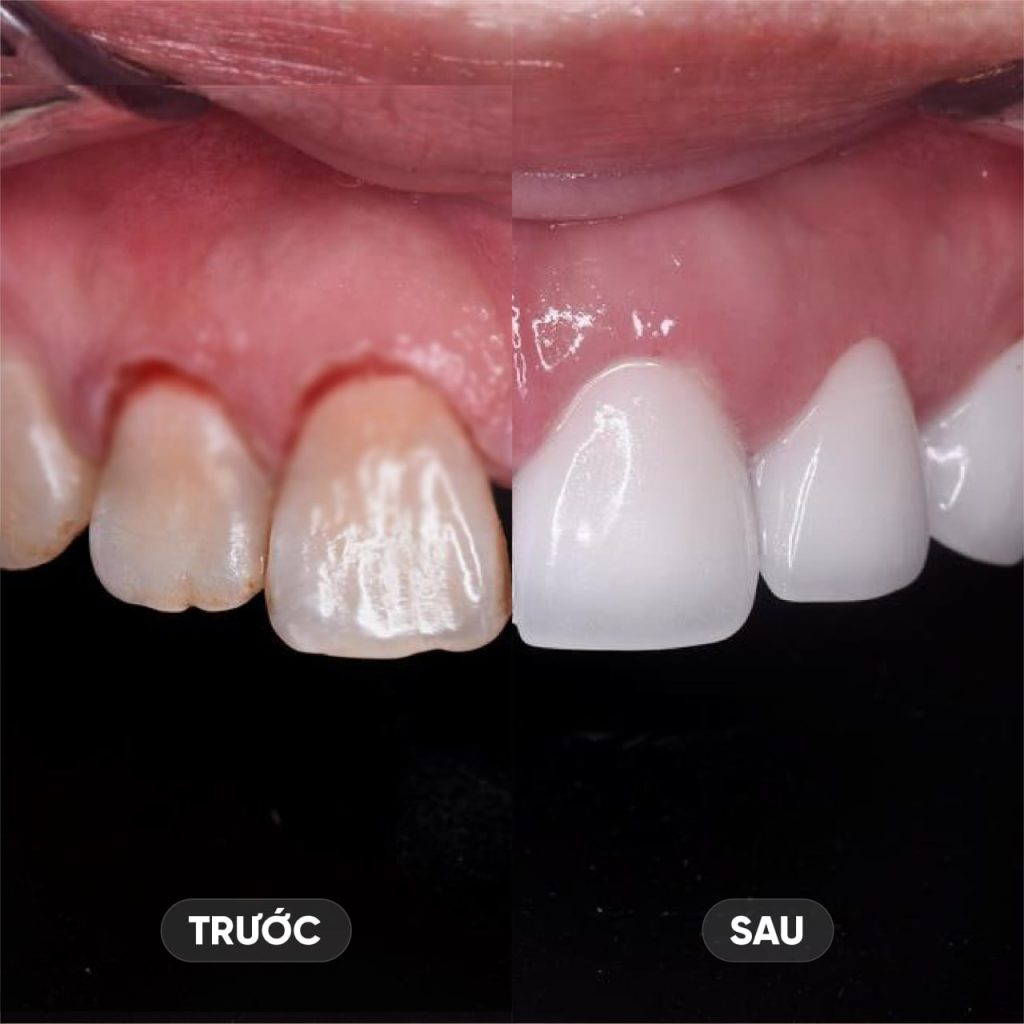
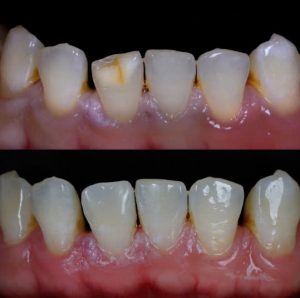
What is a Dental Crown?
A dental crown or restoration utilizes:
-
Full-coverage Crowns
-
Porcelain Veneers
to reconstruct the anatomy, functionality, and shade of a tooth.
This method is typically indicated for:
-
✔ Large cavities
-
✔ Chipped or fractured teeth
-
✔ Severely discolored or tetracycline-stained teeth
-
✔ Gapped teeth (diastema) or mild misalignment
-
✔ Malformed or asymmetrical teeth
It is vital to understand that in the vast majority of cases, the natural tooth is preserved and serves as the supporting abutment core for the prosthetic crown covering it. Therefore, routine maintenance and professional tracking are the deciding factors governing the lifespan of your dental work.
Why Do Dental Crowns Require Routine Checkups?
1. Gum Tissue Changes Over Time
Following a crown placement, your gingival (gum) tissue continues to shift as part of the natural aging process.
Patients may experience:
-
Mild gum recession
-
Exposure of the tooth neck (cervical margin)
-
Marginal gaps along the restoration
When a gap forms between the gumline and the dental crown, bacteria accumulate much more easily, drastically increasing the risk of gingivitis, periodontal disease, and chronic halitosis (bad breath).
2. Continuous Chewing Forces
Every day, your teeth undergo thousands of occlusal impacts during eating and daily activities.
Over time, this mechanical wear and tear can cause:
-
Surface wear on the porcelain
-
Micro-fractures or crazing
-
A compromise in the marginal seal
Even though these microscopic changes seem minor, they can create micro-leakage pathways for bacteria to invade the underlying natural tooth structure.
3. Inadequate Oral Hygiene Habits
Many patients assume that because porcelain cannot decay, they can relax their hygiene routine.
In reality:
-
Plaque still accumulates around the collar of the crown
-
The surrounding gums can still become severely inflamed
-
The natural tooth structure underneath remains susceptible to secondary decay
This false sense of security is a leading cause of premature restorative failure.
4. Sub-Optimal Bite Alignment
If a restoration does not harmonize flawlessly with your natural bite (occlusion), biting forces will distribute unevenly.
This imbalance can result in:
-
High spots and a “cặn” or uncomfortable biting sensation
-
Temporomandibular Joint (TMJ) discomfort or pain
-
Porcelain fracturing or chipping
-
Mobility of the restoration
5 Warning Signs Your Dental Crown Needs an Immediate Checkup
1. Persistent Bad Breath (Halitosis)
If you practice rigorous oral hygiene but still suffer from chronic bad breath, it could be a sign of:
-
Heavy calculus buildup around the crown margins
-
Localized gingivitis around the restored tooth
-
Gaps or micro-leakage between the crown and gum tissue
Catching this early prevents severe sub-marginal infections from developing.
2. Pain or Discomfort While Chewing
A properly fitted restoration should feel completely natural, just like a real tooth.
If you notice:
-
A high spot or premature contact when biting
-
Temperature sensitivity
-
Sharp or dull pain upon biting
-
General chewing discomfort
you should visit your dentist immediately to check the bite alignment and structural stability of the crown.
3. A Loose Dental Crown
Under normal physiological conditions, a dental crown should never feel mobile.
A loose crown could be triggered by:
-
Degraded or washed-out dental cement
-
Structural fracture of the underlying natural tooth core
-
Periapical inflammation or root-end infection
This is a critical sign that demands prompt intervention to avoid losing the natural tooth entirely.
4. Marginal Discoloration
Many patients start noticing:
-
A black line along the gumline
-
A gray shadow at the margin
-
A darkened or bruised appearance of the tooth neck
This is commonly caused by gum recession exposing the metal framework of an old PFM (Porcelain-Fused-to-Metal) crown, long-term plaque retention, or sub-optimal marginal adaptation from the original placement. An evaluation will isolate the exact cause and determine the best cosmetic fix.
5. Red, Swollen, or Bleeding Gums
These are classic clinical symptoms of gingivitis or localized periodontitis around the dental crown.
Left untreated, this localized inflammation can progress to:
-
Advanced periodontal disease
-
Alveolar bone resorption (bone loss)
-
Structural mobility of the natural tooth core
How Often Should You Have Your Dental Crowns Checked?
Dental specialists strongly recommend: 👉 Scheduling a routine evaluation every 3 to 6 months.
During these periodic checkups, your dentist will:
-
Evaluate the marginal integrity and fit of the crown
-
Verify proper bite alignment and eliminate high spots
-
Remove localized plaque and calculus deposits
-
Monitor the health of the surrounding gum tissue
-
Screen for and intercept potential complications early
Routine checkups are the absolute key to maximizing the longevity of your restorations and preserving your natural smile.
Conclusion
Dental crowns are an outstanding modern solution to reinstate chewing dynamics and elevate your smile’s beauty. However, no dental work lasts forever without proper care and professional monitoring.
If you experience warning signs like chronic bad breath, discomfort while chewing, marginal discoloration, bleeding gums, or a mobile crown, do not wait. Early preventative evaluations not only protect your investment in your dental work but are paramount to securing your long-term oral health.
Nhu Ngoc Dental Clinic