

 10 June, 2026
Root canal treatment of primary teeth plays a vital role in preserving children’s oral health and maintaining proper arch development until the natural exfoliation of the primary dentition. One of the most important factors determining treatment success is the selection of an appropriate root canal filling material.
Although gutta-percha is considered the gold standard for root canal obturation in permanent teeth, it is generally not recommended for routine use in primary teeth. Understanding the biological differences between primary and permanent teeth helps explain why.
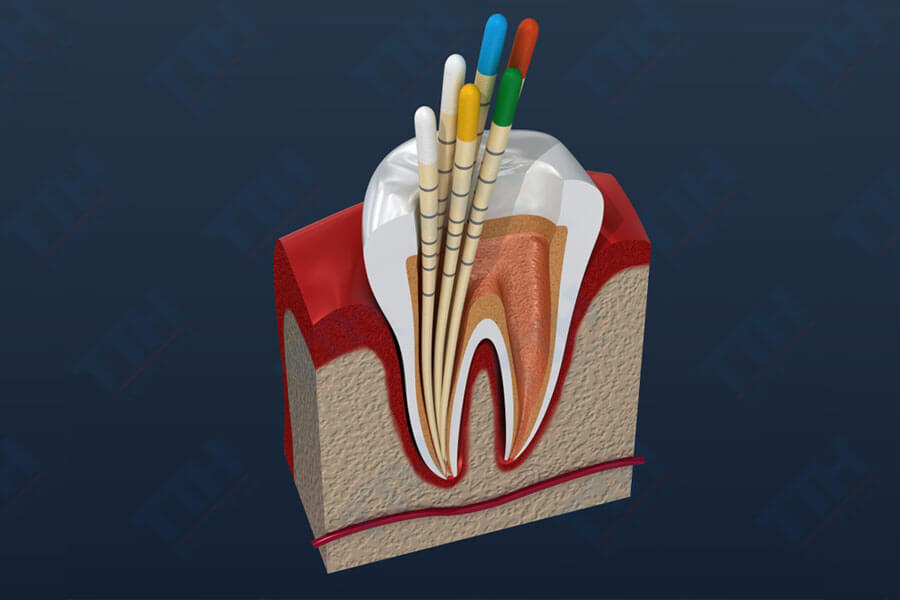
Why Is Gutta-Percha Not Ideal for Primary Teeth?
Primary teeth possess a unique biological characteristic: their roots gradually resorb as part of the natural tooth replacement process. Therefore, the ideal root canal filling material for primary teeth should either resorb at a rate similar to root resorption or, at minimum, not interfere with this physiological process.
Gutta-percha, however, is a stable and non-resorbable material. This mismatch between the material and the biological behavior of primary teeth can lead to several potential complications.
1. Interference with Physiological Root Resorption
One of the primary concerns associated with using gutta-percha in primary teeth is its inability to resorb alongside the roots.
As the roots of primary teeth naturally resorb to make way for the eruption of permanent successors, gutta-percha may remain within the root canal system or periapical tissues. This lack of synchronization can disrupt the normal exfoliation process.
Potential consequences include:
- Delayed root resorption
- Uneven or incomplete root resorption
- Prolonged retention of primary teeth
Such complications may ultimately affect the timing and pattern of permanent tooth eruption.
2. Potential Impact on the Eruption of Permanent Teeth
The objective of pulpectomy in primary teeth is not only to eliminate infection but also to preserve a healthy environment for the eruption of permanent successors.
When gutta-percha extends beyond the apex or remains in the periapical region for an extended period, it may:
- Create a mechanical barrier to tooth eruption
- Irritate surrounding tissues
- Interfere with the developing permanent tooth germ
As a result, the eruption path of the permanent tooth may be altered, increasing the risk of delayed or ectopic eruption.
3. Increased Risk of Persistent Periapical Inflammation
Because gutta-percha does not resorb biologically, it can remain in the treated area for many years.
In cases where residual infection or chronic inflammation persists, the presence of non-resorbable material may contribute to:
- Chronic periapical inflammation
- Persistent radiographic lesions
- Recurrent abscess formation
- Long-term discomfort or sensitivity
These conditions may compromise the long-term success of pulp therapy in primary teeth.
4. Possible Association with Radicular Cyst Formation
Several case reports have documented the development of radicular cysts in primary teeth following endodontic treatment involving gutta-percha.
While gutta-percha alone may not be the sole causative factor, its prolonged presence in the periapical area may contribute to chronic inflammatory responses and pathological changes in susceptible cases.
Regular clinical and radiographic follow-up is therefore essential after treatment.
Which Materials Are Recommended for Primary Teeth?
Modern pediatric endodontics favors materials that are resorbable or partially resorbable and biologically compatible with the natural exfoliation process.
Commonly used materials include:
- Calcium Hydroxide–Iodoform pastes
- Modified Zinc Oxide Eugenol (ZOE)
- Bioactive root canal filling materials
- Mineral Trioxide Aggregate (MTA) in selected cases
These materials are preferred because they:
✓ Exhibit excellent biocompatibility
✓ Support healing of periapical tissues
✓ Do not interfere with physiological root resorption
✓ Minimize the risk of affecting permanent successors
Are There Any Situations Where Gutta-Percha May Be Considered?
Gutta-percha is not completely excluded from all clinical situations.
In rare cases where a primary tooth has no permanent successor, treatment objectives may shift toward maintaining the tooth for a prolonged period rather than facilitating natural exfoliation.
Under these circumstances, gutta-percha may be considered as a potential option. However, current evidence suggests that alternative materials, such as MTA, may provide more favorable clinical and radiographic outcomes.
Therefore, material selection should always be based on a comprehensive clinical evaluation and individualized treatment planning.
Conclusion
The use of gutta-percha as a root canal filling material in primary teeth may lead to several undesirable consequences, including interference with physiological root resorption, potential effects on the eruption of permanent teeth, and an increased risk of persistent periapical pathology.
For this reason, gutta-percha is generally not recommended for routine pulpectomy procedures in primary teeth with permanent successors. Instead, clinicians should select materials that align with the biological characteristics of primary dentition and support normal dental development.
At Nhu Ngoc Dental Clinic, every pediatric pulp therapy case is carefully evaluated based on the child’s age, root development stage, and the status of the underlying permanent tooth to ensure safe, evidence-based, and effective treatment outcomes.