

 11 June, 2026
Direct Composite Bonding for Midline Diastema: A Minimally Invasive Esthetic Solution
1. Overview
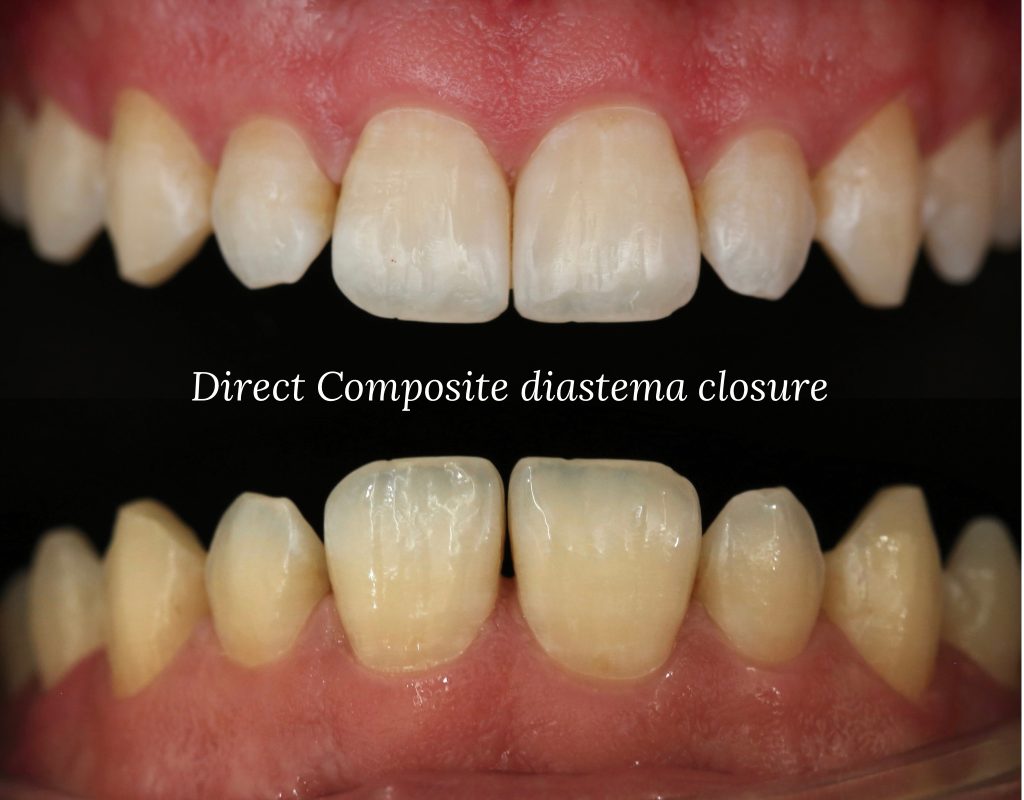
An anterior midline diastema is characterized by an abnormal space or gap between two or more teeth, most commonly occurring between the maxillary central incisors (upper front teeth). Although it does not always impair masticatory (chewing) function, a diastema can have a major negative impact on smile aesthetics and a patient’s psychological well-being. Among modern treatment modalities, direct composite bonding has become a highly popular elective option due to its exceptionally conservative nature, rapid completion, and cost-effectiveness.
2. Etiology (Causes of Diastema)
A midline diastema can arise from a combination of multifactorial elements:
-
Tooth-to-jaw size discrepancy (microdontia or arch-wire arch perimeter excess)
-
High or low-attaching labial frenum (hyperplastic frenum)
-
Congenitally missing teeth or peg-shaped lateral incisors
-
Deleterious oral habits (tongue thrusting, thumb sucking)
-
Post-orthodontic relapse or advanced periodontal disease (pathologic tooth migration)
Identifying the underlying root cause is paramount to selecting the correct, long-term treatment protocol.
3. Indications for Composite Bonding
Direct composite resin restoration is highly indicated for:
-
Small to moderate diastemas (typically mm per space)
-
Relatively proportional tooth morphology (shape and size)
-
Absence of severe malocclusion or bite discrepancies
-
Patients seeking immediate, minimally invasive cosmetic enhancements
Note: For oversized gaps, severe axial inclination (crooked tooth angles), or complex orthodontic complications, alternative or combined treatments such as orthodontics, porcelain veneers, or crowns should be considered.
4. Step-by-Step Clinical Procedure
-
Phase 1: Clinical Evaluation and Smile Design
-
Aesthetic analysis tracking the patient’s tooth-lip-facial proportions.
-
Clinical photography, paired with diagnostic wax-ups or intraoral mock-ups to preview the final aesthetic outcome.
-
-
Phase 2: Surface Preparation and Isolation
-
Thorough prophylaxis (cleaning) and isolation using a rubber dam to ensure absolute moisture control.
-
Implementation of a strict adhesive protocol (acid etching and bonding).
-
-
Phase 3: Composite Layering and Sculpting
-
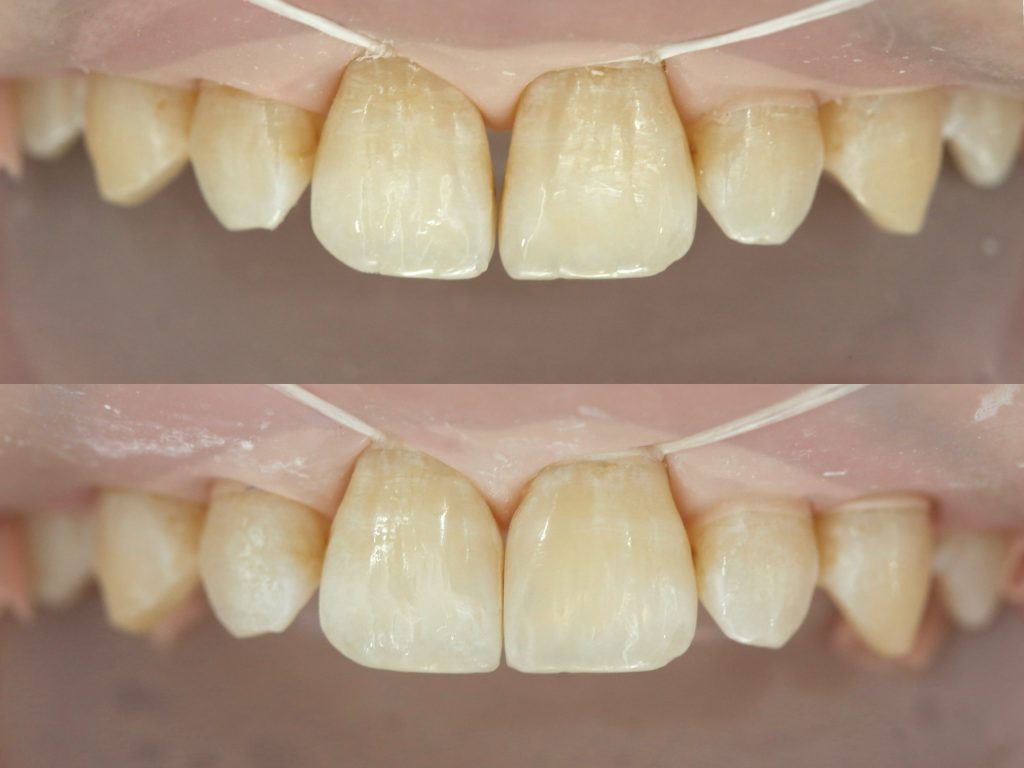
Utilization of specialized matrices or plastic strips to reconstruct tight, anatomically correct interproximal contact points.
-
Application of the incremental layering technique to replicate the natural color gradients and translucency of real enamel.
-
-
Phase 4: Finishing and Polishing
-
Refining the anatomical contours and establishing emergence profiles at the gumline.
-
Multi-step polishing sequence to achieve a high-gloss, ultra-smooth surface that resists plaque accumulation and extrinsic staining.
-
5. Key Advantages
-
Maximum Structure Preservation: Requires zero or virtually no tooth preparation (drilling).
-
Immediate Results: Typically completed comfortably in just a single appointment.
-
Cost-Effective: Significantly lower financial investment compared to lab-fabricated porcelain veneers or crowns.
-
Highly Repairable: Easily adjusted, modified, or repaired in the event of minor chipping or marginal wear.
-
Excellent Aesthetics: Delivers a seamless, life-like blend when executed with advanced clinical technique.
6. Clinical Limitations to Consider
-
Lower fracture toughness and color stability compared to ceramic restorations.
-
Susceptibility to surface staining over time from dietary pigments (coffee, tea, red wine) or tobacco use.
-
Highly technique-sensitive, relying heavily on the clinician’s artistic skills and choice of material.
-
Not indicated for excessive spaces or complex biomechanical occlusal forces.
7. Post-Operative Care Instructions
-
Avoid highly pigmented foods and beverages for the first 48 hours following treatment.
-
Maintain rigorous oral hygiene, taking care to floss gently through the newly established contact zones.
-
Attend routine 6-month checkups for professional repolishing and marginal evaluation.
8. Conclusion
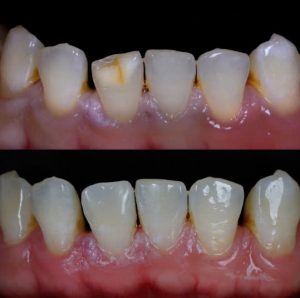
Direct composite bonding for anterior diastemas stands as an ideal, minimally invasive aesthetic treatment, delivering immediate cosmetic transformation at a reasonable cost. However, achieving predictable, durable, and natural-looking results hinges on strict case selection, meticulous clinical technique, and patient compliance with post-operative care.
In everyday clinical practice, the harmonious intersection of aesthetic analysis, a deep understanding of dental materials, and artistic sculpting skills dictates the success of the treatment—turning a structural “imperfection” into a balanced, confident smile.
Nhu Ngoc Dental Clinic