

 12 August, 2026
SKĐS – Systemic lupus erythematosus (SLE) is a chronic autoimmune disease that can affect multiple organs in the body, including the oral cavity. Many patients focus primarily on managing skin, joint, or kidney problems while not paying sufficient attention to their oral health.
What is Systemic Lupus Erythematosus?
Systemic lupus erythematosus (SLE) is one of the common autoimmune diseases. The disease is persistent and lifelong, with lesions affecting multiple organs such as the skin, joints, lymph nodes, liver, kidneys, lungs, and others. The causes of SLE are complex; however, several factors are frequently mentioned, including genetics, immune system dysfunction, sex, medications, infections, and exposure to sunlight.
Clinical Symptoms
General symptoms: Fever, weight loss, and frequent fatigue are among the most common manifestations.
Skin and mucosal lesions: Erythematous lesions are common manifestations of systemic lupus. Initially, a butterfly-shaped erythematous rash may appear on both cheeks. These lesions are slightly swollen and may persist for several weeks or months. As the disease progresses, the lesions may also appear on the arms, legs, or other areas of the body.
Joints: Joint pain is one of the most common symptoms and may occur in up to 95% of patients. Patients may experience arthritis, joint stiffness, and pain during movement or walking, particularly in the morning.
Kidneys: Renal involvement occurs in approximately 40% of patients with systemic lupus and can present with varying degrees of severity.
Cardiac problems: The heart valves may be damaged due to inflammation, leading to scar formation; inflammation of the membrane surrounding the heart, known as pericarditis; and myocarditis may also occur.
How Does Systemic Lupus Erythematosus Affect Oral Health?
Studies have shown that patients with SLE have a higher prevalence of oral mucosal lesions, including oral ulcers, increased pigmentation of the buccal and palatal mucosa, tongue pain, fissured tongue, cheilitis, and arthritis. Oral ulcers are the second most common mucosal manifestation of SLE, after the butterfly-shaped rash, occurring in more than 30% of patients with SLE.
In addition, dry mouth caused by salivary gland involvement or secondary Sjögren’s syndrome reduces the natural cleansing ability of the oral cavity, thereby increasing the risk of dental caries and periodontal disease. The prevalence of dental caries among patients with SLE may be as high as 74%. Periodontitis in patients with lupus may also be more severe due to immune dysregulation and increased levels of inflammatory cytokines.
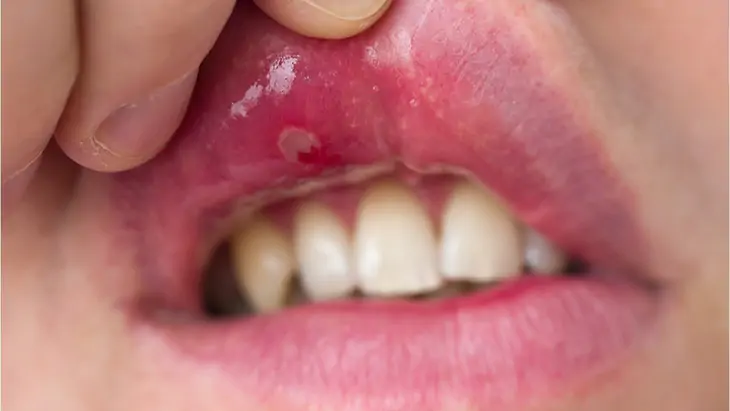
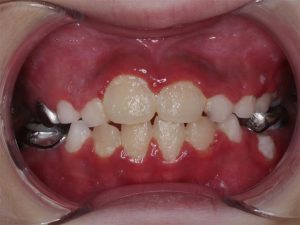
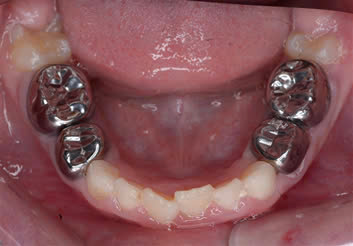
Patients with Lupus often have problems related to the oral cavity. Photo B.S
Furthermore, prolonged use of corticosteroids and immunosuppressive medications may increase the risk of oral fungal infections, delayed wound healing, and other opportunistic infections. These changes not only affect chewing and speech but may also reduce patients’ oral health-related quality of life.
Patients with lupus frequently experience problems involving the oral cavity. Photo: Doctor
In addition to dry mouth, dental caries, and periodontal disease, SLE may also affect the temporomandibular joint (TMJ). Studies have shown that patients with SLE may be at increased risk of temporomandibular joint dysfunction, with common manifestations including pain in the preauricular area, pain during chewing, masticatory muscle fatigue, joint clicking, and limited mouth opening. These problems are thought to result from inflammatory processes and immune dysregulation affecting the synovial membrane, joint structures, and masticatory muscles.
How Should Patients with Systemic Lupus Erythematosus Care for Their Oral Health Daily?
1. Maintain Proper Oral Hygiene
Brush your teeth at least twice a day, especially after the evening meal. Use a soft-bristled toothbrush to avoid injuring the oral mucosa and gums. Choose fluoride-containing toothpaste to help prevent dental caries. Toothbrushes should be replaced every 3–4 months or sooner if the bristles become frayed. Patients should use dental floss or a water flosser to remove plaque. Wooden toothpicks should be avoided because they may cause gum bleeding and widening of the interdental spaces.
2. Manage Dry Mouth
Drink water regularly in small sips throughout the day. Chew sugar-free gum or use sugar-free xylitol-containing lozenges to stimulate saliva production. Limit alcohol, tobacco, and beverages containing high levels of caffeine. Artificial saliva or oral moisturizing products may be used as directed by a healthcare professional. Fluoride should be used to help prevent dental caries associated with dry mouth.
3. Maintain a Healthy Diet
Limit candy, soft drinks, and foods containing high amounts of sugar. Avoid frequent snacking throughout the day. Increase the intake of green vegetables, fruits, and foods rich in calcium and vitamin D. After consuming sugary foods, rinse your mouth or brush your teeth if possible.
4. Care for Oral Ulcers
Maintain good oral hygiene, and avoid foods that are excessively spicy, hot, or acidic. Drink sufficient water. If an oral ulcer persists for more than two weeks or recurs frequently, seek medical attention.
5. Have Regular Dental Check-Ups
Have regular oral examinations every 3–6 months. Dental scaling and examinations for dental caries and periodontal disease should be performed periodically. Early treatment of oral diseases is important to prevent infections and complications.
Before Dental Treatment or Tooth Extraction
Patients should inform their dentist or oral health professional that they have systemic lupus erythematosus and provide information about all medications they are currently taking, including corticosteroids, immunosuppressive medications, and anticoagulants. They should also inform the dentist about any history of leukopenia, thrombocytopenia, or lupus nephritis, as well as provide recent blood test results, if available.
The dental professional will develop an individualized treatment plan based on the patient’s condition. Consultation with a specialist in Dermatology and Allergy may also be necessary when appropriate.
Do Not Stop Lupus Medications Without Medical Advice
Patients should never stop their lupus medications on their own. Some patients may be concerned about undergoing dental treatment and may therefore discontinue their medications without medical advice. This can trigger a lupus flare and lead to serious complications. Any adjustment to medication should only be made under the direction of the treating physician.
Appropriate oral health care from the early stages of SLE is essential for improving oral health-related quality of life and preventing the need for more invasive treatment. Coordination between the physician managing the patient’s lupus and the dental professional can help ensure safe care, minimize complications, and maintain long-term oral health.
Source: Sức khỏe & Đời sống Newspaper: https://suckhoedoisong.vn/5-luu-y-cham-soc-rang-mieng-cho-nguoi-benh-mac-lupus-ban-do-169260731172600622.htm
Prof. Dr. Võ Trương Như Ngọc – Dr. Trần Thuận