

 7 August, 2026
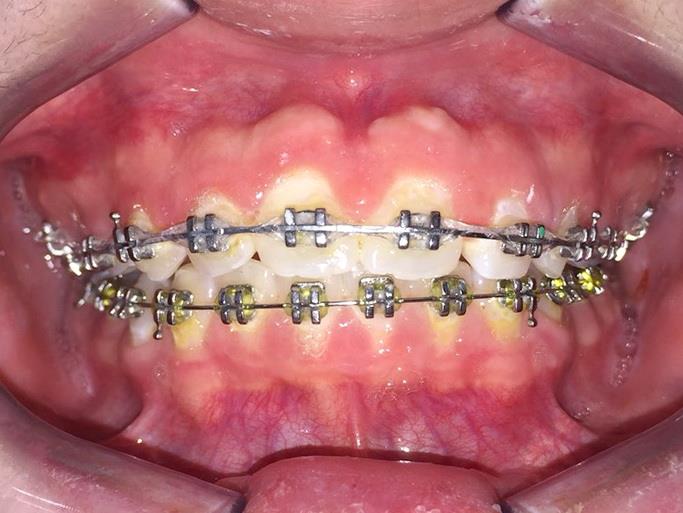
Orthodontic treatment with braces helps align teeth properly and improve your smile. However, brackets and archwires can also make oral hygiene more challenging by creating additional areas where food debris and plaque can accumulate.
Without proper care, patients wearing braces may have a higher risk of tooth decay, gum inflammation, bad breath, and white spots on the enamel. That is why good oral hygiene is an essential part of orthodontic treatment.
Braces: How to Keep Your Teeth Straight, Clean, and Healthy?
1. Brush Your Teeth Properly
Choose a soft-bristled toothbrush, orthodontic toothbrush, or electric toothbrush with a small head.
When brushing, hold the toothbrush at approximately a 45-degree angle toward the gumline and gently clean:
- Around each bracket.
- Above and below the archwire.
- The outer, inner, and chewing surfaces of the teeth.
Brush your teeth at least twice a day, especially before bedtime. When possible, clean your teeth after meals to reduce food debris around the brackets.
2. Use Dental Floss and Interdental Brushes
A regular toothbrush cannot completely clean the areas between teeth and around orthodontic brackets.
Orthodontic dental floss helps remove plaque between teeth, while interdental brushes are useful for cleaning around brackets and archwires.
Use them gently to avoid irritating the gums or damaging the orthodontic appliances.
3. Water Flossers – A Helpful Cleaning Tool
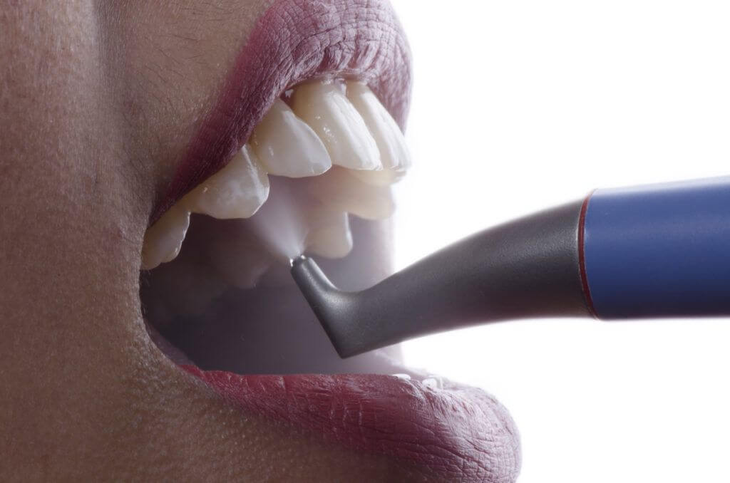
A water flosser uses a stream of water to help clean areas that are difficult to reach, especially around brackets and archwires.
It can be particularly convenient for people undergoing orthodontic treatment. However, a water flosser does not completely replace toothbrushing or interdental cleaning.
4. Clean Your Tongue
The tongue can accumulate bacteria and food debris, which may contribute to unpleasant breath.
You can use a tongue scraper or the tongue-cleaning surface of a toothbrush. Gently move the tool from the back of the tongue toward the front.
Regular tongue cleaning can support overall oral hygiene and help maintain fresher breath.
5. Choose an Appropriate Mouthwash
A fluoride mouthwash may help strengthen tooth enamel and support protection against tooth decay.
However, mouthwash is only an additional oral hygiene measure and should not replace toothbrushing or interdental cleaning.
Choose a suitable product according to your dentist’s recommendation or the manufacturer’s instructions.
6. Make Smart Food Choices During Orthodontic Treatment
Your diet can also affect both your oral health and orthodontic appliances.
Limit:
- Sticky foods such as caramel and gummy candy.
- Sugary foods and drinks.
- Soft drinks and acidic beverages.
- Very hard or difficult-to-chew foods.
Choose:
- Soft, fiber-rich foods.
- Smaller pieces of food that are easier to chew.
- Plenty of water.
- Foods that do not require excessive biting force.
Avoid biting directly into hard foods, as this may increase the risk of damaging or loosening brackets.
7. Attend Regular Orthodontic Check-Ups
Regular appointments allow your orthodontist to monitor tooth movement and check the condition of your orthodontic appliances.
They also provide an opportunity to identify problems early, such as:
- Tooth decay.
- Gum inflammation.
- Plaque accumulation.
- White spots on the enamel.
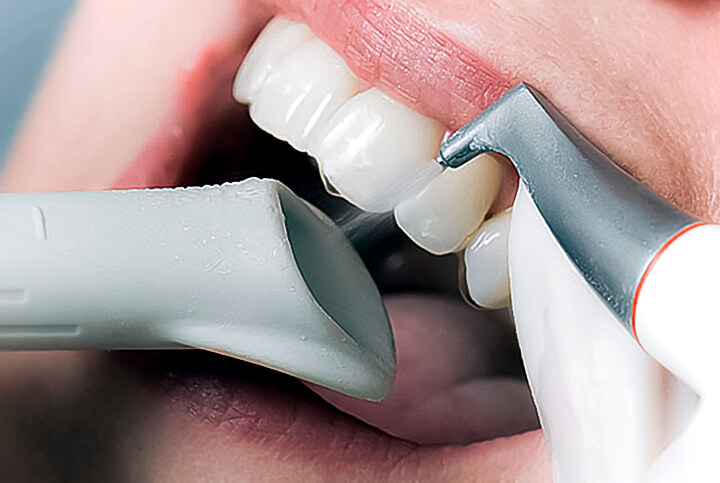
The frequency of professional cleaning, such as scaling, should be adjusted according to each patient’s oral health and level of plaque or tartar buildup.
Warning Signs to Watch For
Contact your dentist or orthodontist if you experience:
- Persistent swollen, red, or bleeding gums.
- Persistent bad breath.
- White, yellow, or brown spots on your teeth.
- Unusual or prolonged tooth pain.
- Loose brackets or archwires causing irritation to the lips or cheeks.
Conclusion
Orthodontic treatment requires more than simply wearing braces. It also requires a consistent daily oral hygiene routine.
Proper brushing, interdental cleaning, tongue cleaning, suitable food choices, and regular dental check-ups can help maintain clean teeth, healthy gums, and a confident smile throughout your orthodontic journey.