

 11 June, 2026
Crowded Teeth: More Than a Cosmetic Concern—A Major Catalyst for Oral Diseases
At Nhu Ngoc Dental Clinic, many young patients present with persistent toothaches, multi-surface cavities, and severe gingivitis at a very early age. One of the most prevalent yet frequently overlooked root causes behind these issues is dental crowding.
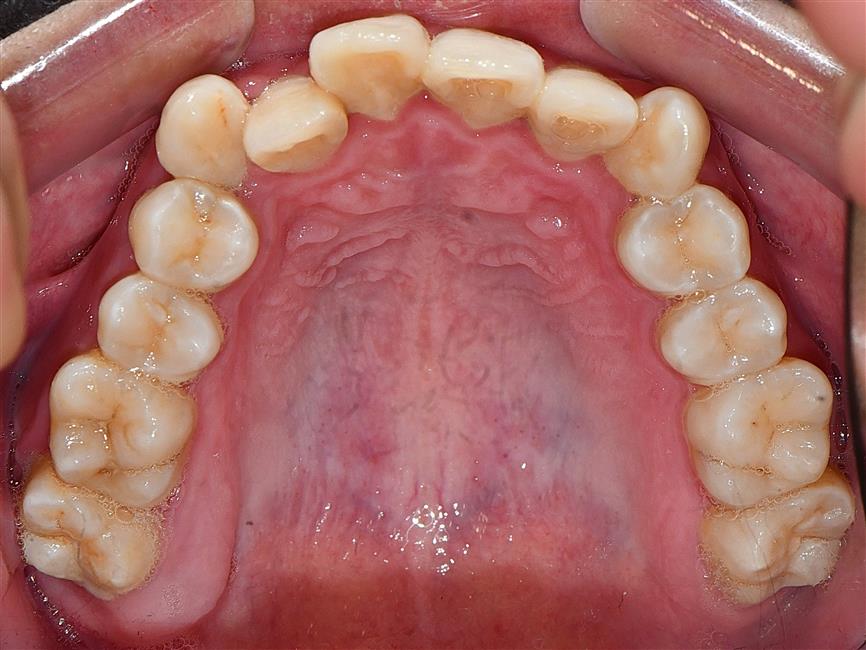
Recently, a 20-year-old male patient visited our clinic complaining of pain in his upper left jaw when chewing. Through a clinical examination coupled with Cone Beam CT (CBCT) imaging, our specialists identified a cluster of complex dental issues directly linked to his malocclusion (misaligned bite) and resulting oral hygiene difficulties.
The Patient’s Clinical Status
The comprehensive evaluation revealed:
-
Tooth 25 (UPPER LEFT SECOND PREMOLAR): Subacute periapical periodontitis coupled with a defective micro-leakage margin on the distal side of an old porcelain restoration.
-
Interproximal Caries (Cavities between teeth): Deep decay on the adjacent surfaces of teeth 15, 16, 26, 36, and 37.
-
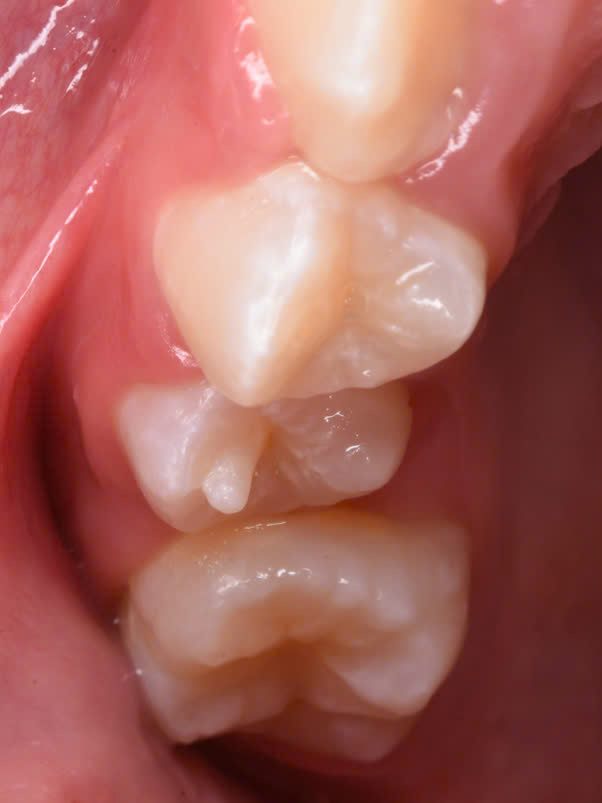
Pit and Fissure Caries: Cavities forming in the deep grooves of multiple molars across both arches.
-
Impacted Wisdom Teeth: All 4 wisdom teeth were malpositioned and impacted.
-
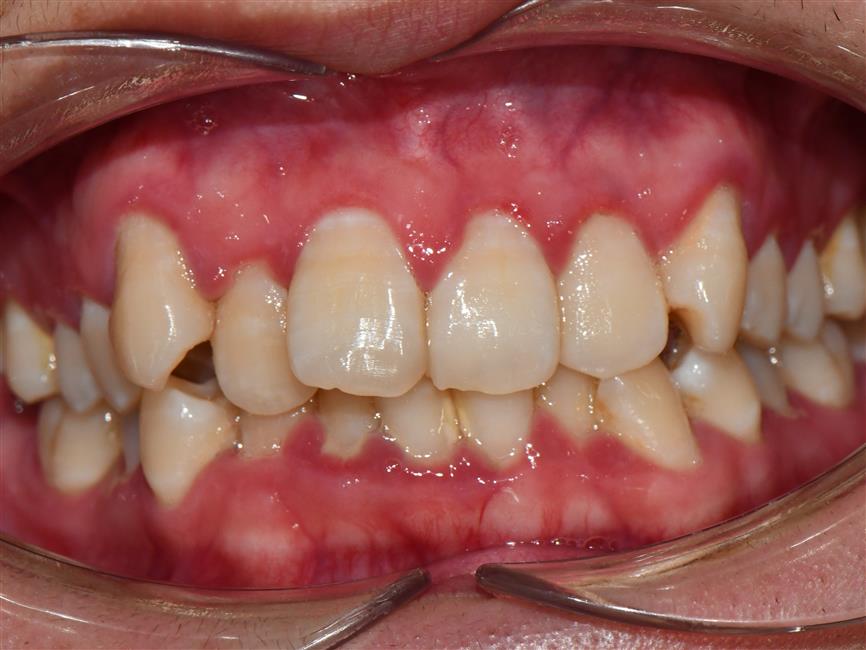
Grade 2 Gingivitis: Severe gum inflammation accompanied by heavy plaque and Grade 3 calculus (tartar) accumulation.
-
Severe Dental Crowding: Pronounced crowding across multiple areas of the dental arches.
This case serves as a textbook example of the close relationship between crowded teeth, compromised oral hygiene access, and the silent progression of destructive dental diseases.
Why Crowded Teeth Trigger Caries and Gingivitis
1. Severe Obstruction of Interdental Cleansing
When teeth overlap and crowd together, their surfaces create tight, inaccessible spaces that traditional toothbrush bristles cannot reach. Food debris and bacterial biofilm easily accumulate long-term in these hidden spots, particularly between the molars.
This explains why the patient developed widespread interproximal caries—a deceptive type of tooth decay that is notoriously difficult to detect in its early stages without diagnostic X-rays.
2. Chronic Plaque Accumulation Leading to Gingivitis
Over time, toxins produced by the bacteria trapped in stagnant plaque constantly irritate the gingival (gum) tissue. This leads to redness, swelling, bleeding during brushing, and eventual calcification into hard tartar. Left unchecked, this superficial gingivitis can rapidly progress into periodontitis, triggering irreversible bone loss and tooth mobility.
3. Escalated Risk of Pulpitis and Periapical Infection
When interproximal cavities are left untreated, the decay burrows deep into the inner dentin and reaches the dental pulp. This induces agonizing pulpitis, which can progress to a periapical root-end infection, severely undermining chewing dynamics and overall long-term oral health.
Orthodontics: Safeguarding Oral Health Beyond Aesthetics
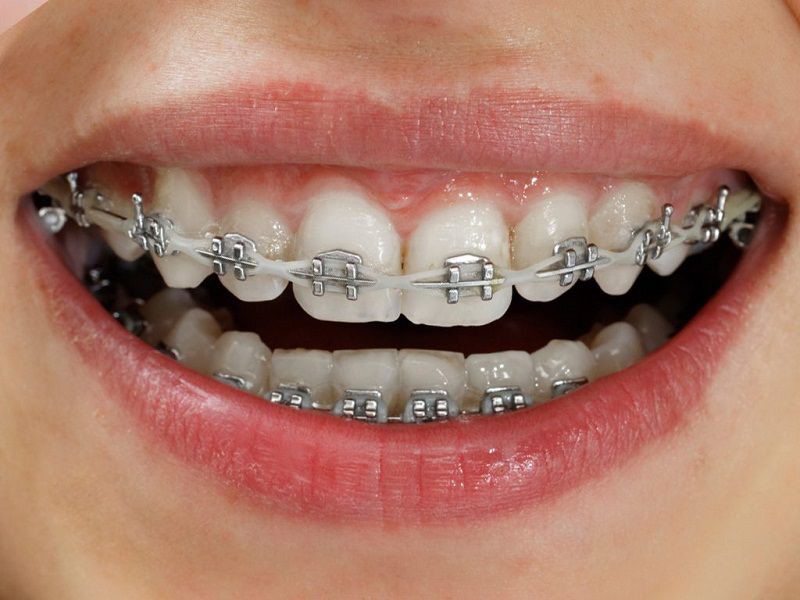
Many people still hold the misconception that braces or clear aligners are purely cosmetic treatments. However, in cases of severe crowding, orthodontics acts as a vital form of preventive and therapeutic dental care.
Clinical Benefits of Orthodontics for Dental Crowding:
-
Aligns teeth into their ideal, anatomical positions.
-
Eliminates overlapping areas, making daily oral hygiene effortless.
-
Significantly minimizes plaque retention and calculus formation.
-
Lowers the risk of dental caries, gingivitis, and advanced periodontitis.
-
Optimizes bite alignment and overall chewing mechanics.
-
Enhances facial symmetry and smile aesthetics.
Early orthodontic intervention does more than just design a beautiful smile; it actively preserves natural tooth structure and spares patients from undergoing complex, expensive restorative treatments in the future.
Proactive Strategies to Prevent Decay and Gum Disease
To secure and maintain long-term oral health, the medical team at Nhu Ngoc Dental Clinic recommends the following daily regimen:
-
Brush Effectively at Least Twice a Day: Use a soft-bristled toothbrush paired with a fluoridated toothpaste to fortify enamel.
-
Floss Daily: Incorporate dental floss or an oral irrigator (water flosser) to thoroughly clean the interdental spaces that a toothbrush cannot reach.
-
Schedule Routine Professional Cleanings: Visit your dentist every 6 months for scaling and a comprehensive exam to intercept hidden issues early.
-
Seek Orthodontic Treatment When Indicated: Especially if you present with dental crowding, malocclusion, or chronic difficulties maintaining oral hygiene.
Conclusion
The case of this 20-year-old male patient clearly demonstrates that crowded teeth are far from a simple cosmetic inconvenience; they represent a major clinical risk factor for severe decay, gum disease, and systemic oral infections.
Combining timely orthodontic intervention with a scientifically backed, disciplined home-care routine is the ultimate way to preserve your natural teeth, restore comfortable chewing function, and elevate your quality of life for decades to come.
Nhu Ngoc Dental Clinic