

 16 September, 2026
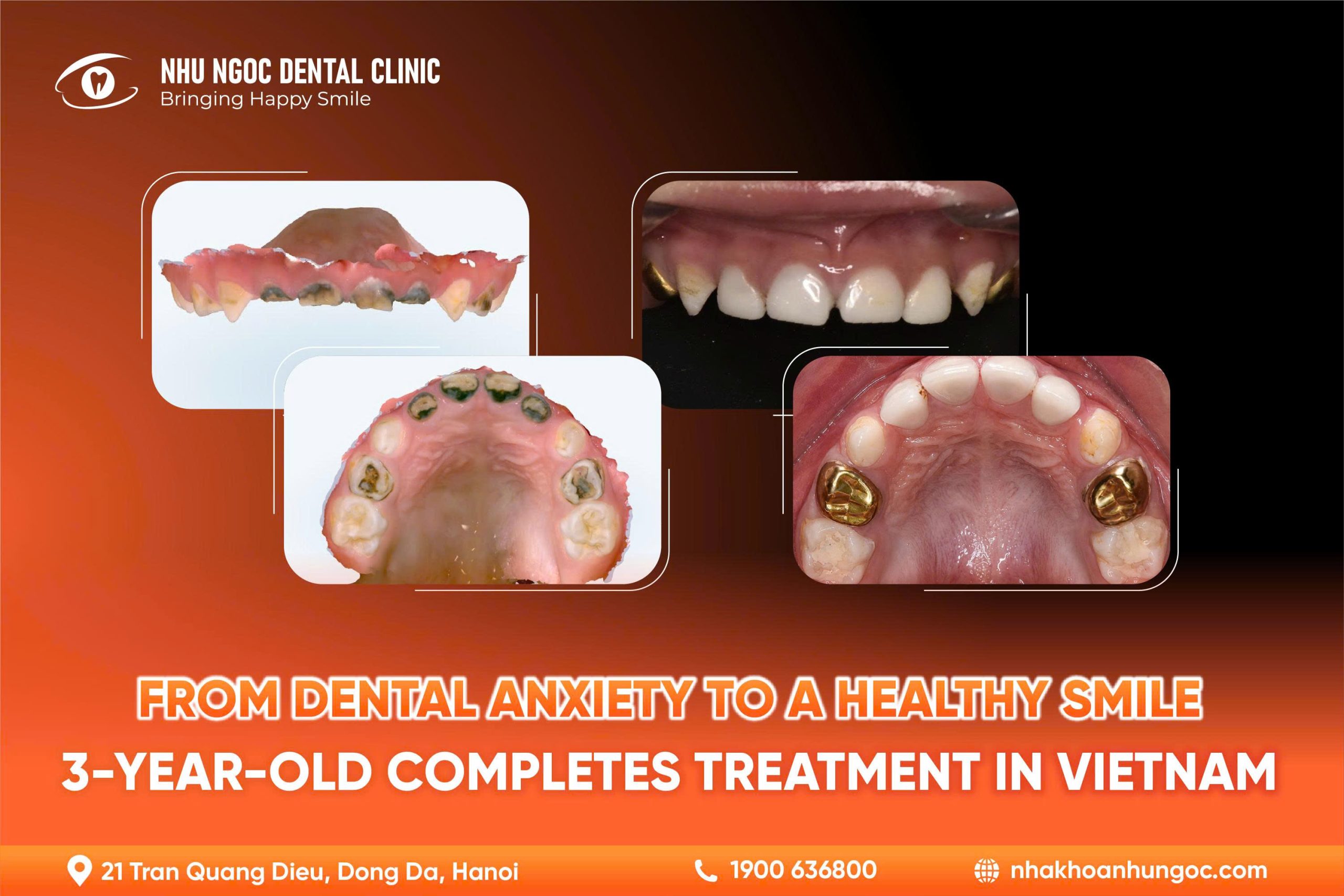
Primary teeth play a very important role in a child’s development. They not only help children chew and speak but also maintain space for the permanent teeth to erupt in the correct position. When primary teeth become decayed or damaged, many parents wonder whether they should be restored with a filling or a preformed crown. In many cases, preformed crowns (commonly stainless steel crowns) may be a more suitable option than fillings. Below are some important reasons why preformed crowns may be preferred for certain primary teeth.
1. Preformed Crowns Provide Better Protection Than Fillings
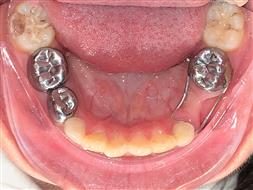
A filling only covers part of the tooth, whereas a preformed crown covers the entire clinical crown, helping protect the tooth from:
• Recurrent decay: Fillings may become loose or wear down over time, potentially allowing bacteria to penetrate around the restoration and cause recurrent decay. A properly fitted crown provides full coverage of the remaining tooth structure.
• Tooth wear from chewing: Young children may chew forcefully, grind their teeth, or bite hard objects, which can cause fillings to chip or become dislodged. A preformed crown provides greater protection against these mechanical forces.
• Fracture due to extensive tooth structure loss: When a tooth has extensive decay or has undergone pulp therapy, the remaining tooth structure may be weakened and more susceptible to fracture if restored with a filling alone. A preformed crown helps reinforce and protect the remaining tooth structure.
2. Greater Durability and Reduced Risk of Retreatment
Preformed crowns, particularly stainless steel crowns, are highly durable compared with restorative materials such as composite or amalgam.
• Fillings may have a limited lifespan: Under normal chewing conditions, fillings may wear down or become dislodged over time. If a child has poor oral hygiene, the risk of recurrent decay and the need for retreatment may increase.
• Preformed crowns can remain in place until the primary tooth naturally exfoliates: A stainless steel crown can remain functional for several years in many cases, helping the primary tooth maintain its function until the permanent tooth erupts.
3. Help Maintain Chewing and Speech Functions
Primary teeth not only help children eat but also play an important role in speech and maintaining space for the permanent teeth to erupt in the correct position.
• If a severely decayed tooth is restored with a filling alone, there may be a greater risk of fracture or premature tooth loss, which can affect the normal eruption of permanent teeth.
• A crown helps preserve the primary tooth for longer, reducing the risk of premature extraction and helping maintain occlusion and the normal development of the dentition.
4. Help Limit Infection and Potential Effects on Permanent Teeth
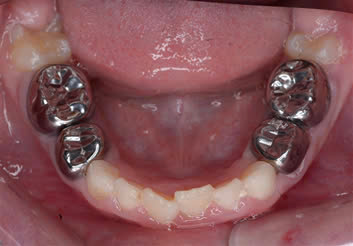
Prefabricated steel crown to protect a damaged tooth
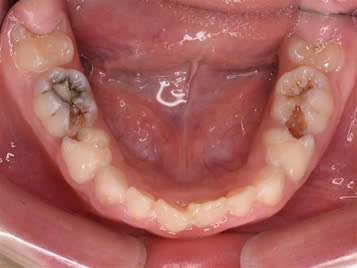
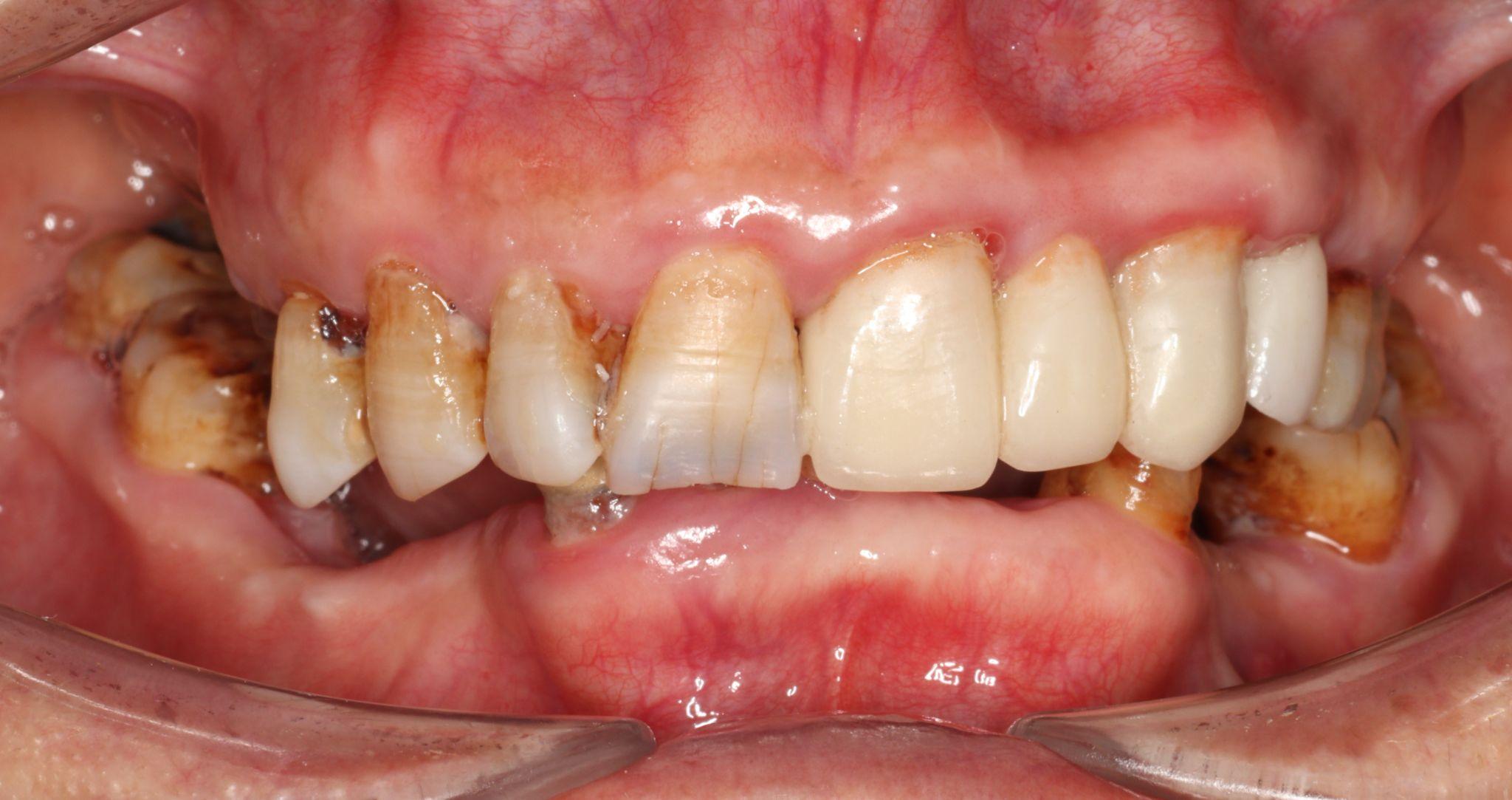
Decayed molar
Untreated or inadequately treated decay in primary teeth can lead to pulp inflammation, dental abscesses, or the spread of infection to surrounding tissues. Severe infection may also affect the developing permanent tooth underneath, potentially causing problems such as:
• Misalignment of permanent teeth due to premature loss of a primary tooth.
• Enamel defects in permanent teeth if infection affects the developing permanent tooth.
• Persistent pain and bad breath if bacteria continue to proliferate in the decayed tooth.
Restoring the tooth with a crown can provide a durable protective seal around the remaining tooth structure and help reduce the risk of further breakdown.
5. Faster Treatment and Suitable for Young Children
Young children may find it difficult to cooperate during dental treatment, especially when extensive fillings require lengthy procedures or repeated appointments. Preformed crowns have several advantages:
• Quick placement, often within a single appointment: While extensive restorations may sometimes require additional visits, a preformed crown can often be placed during one appointment, helping reduce stress for the child.
• Local anesthesia may still be required when appropriate: Depending on the condition of the tooth and the treatment being performed, local anesthesia may be necessary. The procedure itself can be relatively efficient once the tooth has been properly prepared.
• Reduced risk of retreatment: If a child has difficulty maintaining good oral hygiene, a filling may become damaged or fail, potentially requiring replacement. A well-fitted crown is generally more resistant to these mechanical stresses.
6. When Should a Preformed Crown Be Used for Primary Teeth?
Preformed crowns may be indicated in the following situations:
• Primary teeth with extensive decay and significant loss of tooth structure that cannot be predictably restored with a filling.
• Teeth that have undergone pulp therapy and require additional protection against fracture.
• Children at high risk of dental caries, such as children with multiple carious lesions, poor oral hygiene, or a diet high in sugar.
• Primary teeth with significant wear or fractures associated with strong chewing forces or bruxism.
• Primary teeth that play an important role in maintaining occlusion and space for the eruption of permanent teeth, particularly primary molars.
In Summary: Preformed Crowns Can Be an Effective Solution for Severely Decayed Primary Teeth
Compared with fillings, preformed crowns can offer greater durability, full-coverage protection, and a lower risk of restoration failure in appropriately selected primary teeth. They can be particularly useful for children with extensive tooth decay or teeth that have undergone pulp therapy, helping preserve the tooth’s function until it is naturally replaced.
If your child has a decayed or damaged primary tooth, consult a pediatric dentist to determine whether a filling, preformed crown, or another treatment option is most appropriate for the specific condition of the tooth.
We hope this article helps you better understand the benefits and indications of preformed crowns for primary teeth! If you have any questions, feel free to leave a comment or consult your dentist for professional advice.